
No film has been quoted by hip-hop more often, or more literally, than Akira. Katsuhiro Otomo's 1988 feature is where the culture goes for imagery about a city that eats its children, about power arriving in the wrong hands, about a kid from nothing who becomes too big for the system that made him. Forty years of borrowed frames later, it remains the reference everyone reaches for and almost nobody surpasses.
What Otomo actually made
*Akira* opened in Japan on July 16, 1988, adapted by Otomo from his own manga, animated at a cost that made it one of the most expensive Japanese animated films of its era and with a frame count far beyond television-anime norms. Neo-Tokyo is a city rebuilt on a catastrophe nobody will name, run by a government that tests weapons on children and a military that cleans up after itself.
The leads are Kaneda and Tetsuo — two kids from an institution, in a bike gang, with no prospects. Tetsuo gets power he cannot hold and the state that created the power tries to erase him rather than answer for it. That is not a subtle text. It has never needed translating for an American audience that recognizes the setup.
The video everyone knows
The most-cited instance in rap is the "Stronger" video, directed by Hype Williams in 2007, which restages Akira imagery closely enough that the debt is the point rather than a secret. Kanye West has been explicit about the source ever since; The FADER reported him naming Otomo's film as his biggest creative inspiration, and Dazed covered his public homage to Otomo.
That is a rare case of a rap visual borrowing upward and saying so. The usual mechanic in music video is to take the grammar and drop the citation. Here the citation became part of the myth, which is why a 1988 Japanese animated film is a standing reference point for American rap visuals two decades after the fact.
Supreme, and the merch afterlife
The other route the film took into the culture was retail. Supreme's Akira collection put Otomo's frames on box logos and outerwear, and the resale market did what the resale market does. Hypebeast covered the Otomo art project around Kosuke Kawamura's collage work in a conversation that touched both the Supreme collaboration and the Kanye connection directly.
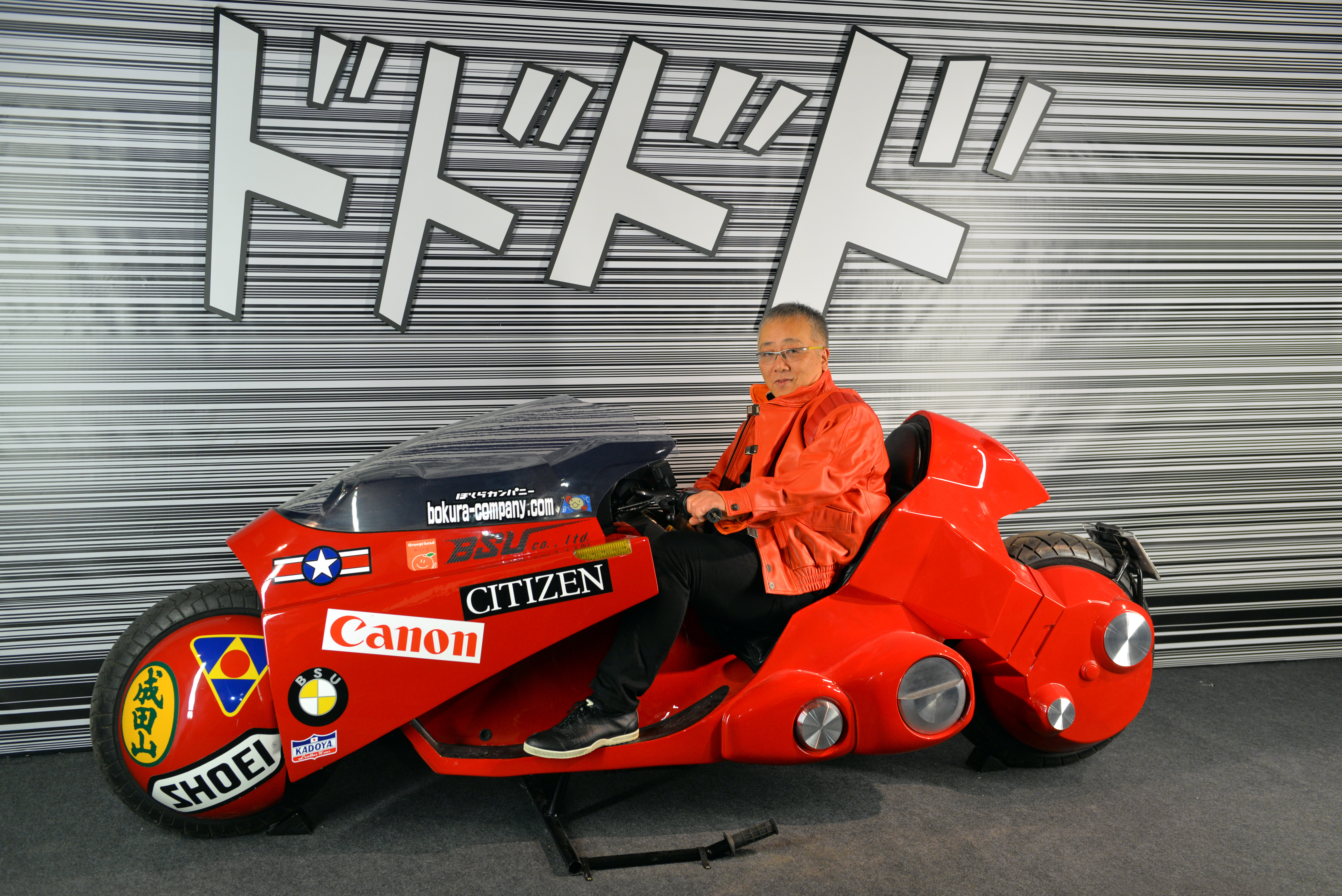
Merch is where the reverence gets tested. A capsule collection turns the pill-capsule jacket and the red bike into signifiers you can buy without ever seeing the film, and plenty of people bought. That is not automatically a betrayal — Akira's imagery was designed to be legible at a glance — but it is worth being honest that the film's American afterlife runs at least as much through a SoHo line as through a repertory screening.
Why the culture keeps returning
Dazed and Vice have both traced how widely the film's influence spread across film, television and music. The reason it stuck in hip-hop specifically is the subject matter. Akira is about a young man with world-ending power and no infrastructure to handle it, surrounded by institutions that want either to weaponize him or to bury him. Run that through an American lens and you have described the arc of a dozen careers.
An American live-action remake has been in development for decades without landing, which is its own kind of tribute. The property is too big, too specific, and too owned to be redone casually.
The take
Akira is the North Star because it is the rare borrowed text that gives back more than it takes. It handed hip-hop a visual vocabulary for ambition and collapse, and the artists who used it mostly said where they got it. What it also shows is the ceiling: American rap could quote the film, wear the film and restage the film, but the film itself stayed Japanese-owned, and every capsule, remake attempt and anniversary reissue pays Tokyo. Reverence is cheap. Commissioning the next Akira, with the culture's own money and the culture's own names on the credits, is the expensive part nobody has done yet.
## Sources - Akira (1988 film) — Wikipedia, accessed 2026 - Kanye West says his "biggest creative inspiration" is Akira — The FADER, August 27, 2018 - MR. OTOMO Discusses Largest 'Akira' Mural, Kanye West & Supreme Collaboration — Hypebeast, October 2018 - How Akira sent shockwaves through pop culture and changed it — Dazed - How 'Akira' Has Influenced All Your Favourite TV, Film and Music — Vice