The most important document in sneaker history is a contract most people have never read and get wrong when they describe it. Michael Jordan's 1984 Nike deal was not a $250,000 shoe deal; that was a number Nike floated in its own retellings. It was $500,000 a year for five years, $2.5 million guaranteed, with stock options that pushed the paper value toward $7 million, and a royalty on every shoe sold with his name on it. David Falk built it. The royalty is the part that changed the business.
What Falk actually negotiated
Falk, then at ProServ, went into 1984 wanting Jordan treated "like a tennis player," meaning a named line rather than a jersey sponsorship, and he negotiated directly with Phil Knight and Rob Strasser. ESPN's Darren Rovell laid out the numbers in 2016 with Falk on the record: $500,000 per year for five years, the total near $7 million with options, against Converse's $100,000 a year and a Spot-Bilt bid that was actually the highest on paper. Nike wrote in a cancellation clause: if Jordan did not generate $4 million in shoe sales by the end of year three, the company could walk.
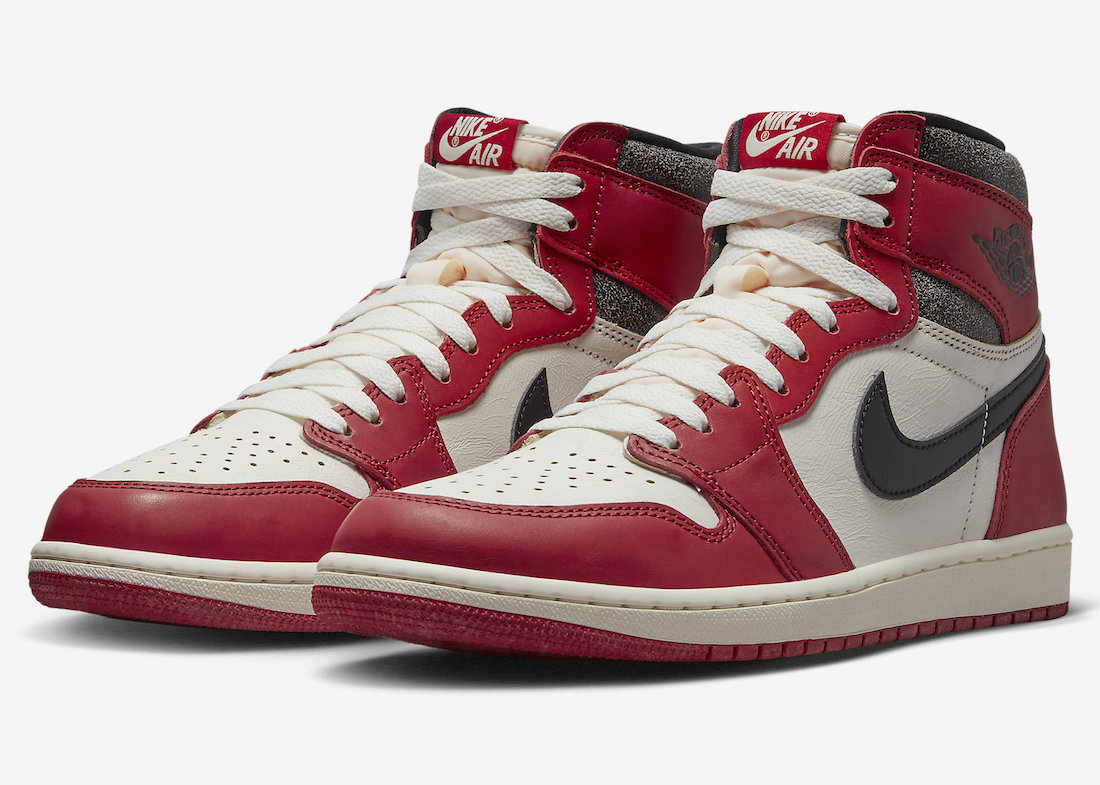
The Air Jordan 1 did $70 million in its first two months of 1985. The clause never came up. Bleacher Report has Falk calling it "probably the best deal I've ever made and it's probably the worst deal I've ever made," because "no one had a clue, including Nike, that you could sell $100 million worth of shoes for a rookie." Nike had budgeted $3 million in sales by year four. TIME puts the royalty at 25 percent on shoes bearing his likeness, and says the Nike offer was "more than double what Adidas offered him."
Why the royalty mattered more than the salary
Before Jordan, athlete shoe deals were flat fees. You wore the shoe, the company paid you, the upside was theirs. Falk's royalty tied Jordan's income to unit sales, which meant that when the Air Jordan line did $126 million in its first year, a figure Bleacher Report cites, Jordan was paid on it rather than watching it. That single mechanism is why he has collected an estimated $300 million a year from Nike four decades later, according to Sportico, and why the endorsement contract, not the NBA salary, is the foundation of his fortune.
Every signature deal since has been drafted in the shadow of that clause. The signature deals that followed, LeBron's and Kobe's with Nike, Steph Curry's with Under Armour, are widely reported to carry revenue participation, and every agent who has negotiated one has used the 1984 paper as the floor. The royalty was Falk's invention. The model was Jordan's proof.
Who deserves the credit
The 2023 film "Air" gave the deal to Sonny Vaccaro, who has said for years that he picked Jordan over the rest of the 1984 draft and pushed Nike to spend its entire basketball budget on him. Falk's version, per Rovell, is that Vaccaro was not in the room, and that Jordan himself deserves the most credit because he signed with the company he did not want. Jordan credits George Raveling, the Black assistant coach on the 1984 Olympic team, who TIME notes was the one telling him to at least take Nike's meeting. Jordan wore Converse at North Carolina, preferred adidas, and adidas showed little interest.
The truth is that four men each did a piece of it: Vaccaro identified the target, Raveling got him to the table, Strasser and Peter Moore built the product and the campaign, and Falk wrote the terms. The one Black man in that group, Raveling, is the one the movie gave the fewest lines to.
The take
The 1984 deal is the origin of everything on this site's sneaker pillar, and it is also the origin of the Jordan Brand paradox: the best contract a Black athlete ever signed was still a contract that left the company, the trademark and 75 cents of every dollar with Nike. Falk got Jordan paid on volume, which was new. He did not get Jordan equity, which would have been revolutionary. Forty years later, when a rookie's camp asks for "the Jordan deal," they mean the royalty. They should mean the equity that nobody got.
## Sources - Michael Jordan's agent tries to set record straight on original Nike deal — ESPN, May 4, 2016 - David Falk: Michael Jordan's Nike Contract the Best, Worst Deal I've Ever Made — Bleacher Report, May 11, 2020 - The True Story Behind 'Air' — TIME, April 5, 2023 - How Michael Jordan Made $300 Million in 2024 — Sportico, 2025