The Lane
Sneakers, hip-hop, anime, gaming — every story we’re telling, ranked by what’s trending right now.
Sneakers, hip-hop, anime, gaming — every story we’re telling, ranked by what’s trending right now.
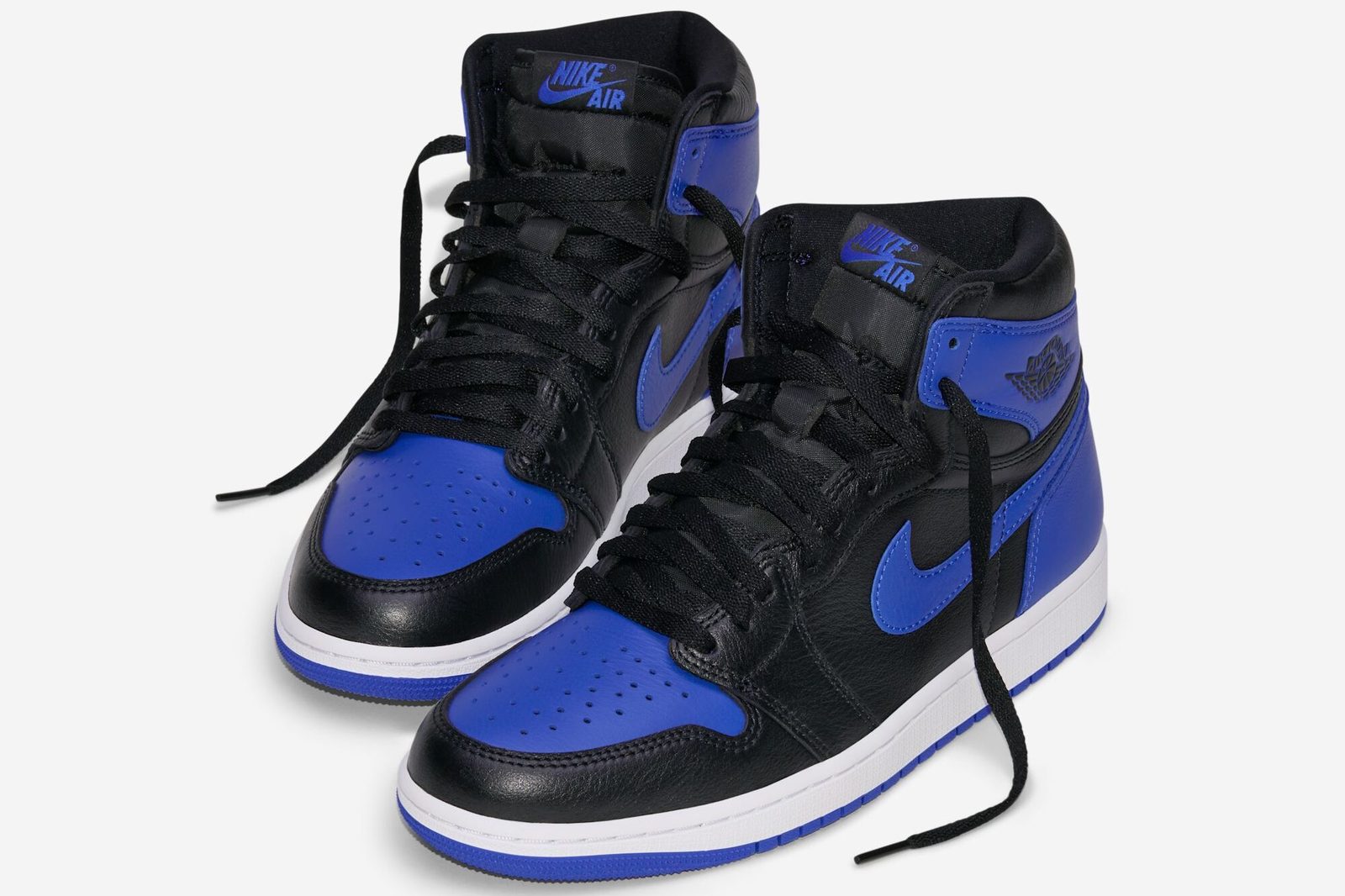
Jordan Brand walks back the 2023 suede detour and puts the 1985 black-and-blue on a full family-size general release October 10 at $185.
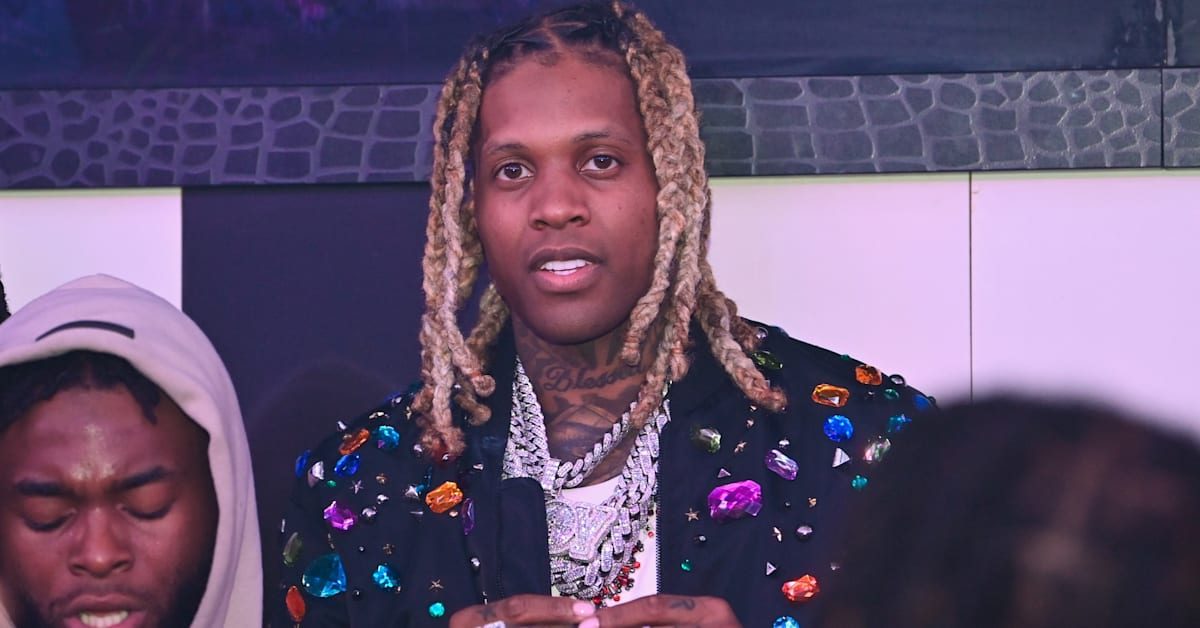
Deliberations in the murder-for-hire case stalled on a digital-evidence request while Durk's lawyers fight to get more of a 2023 interview in front of jurors.
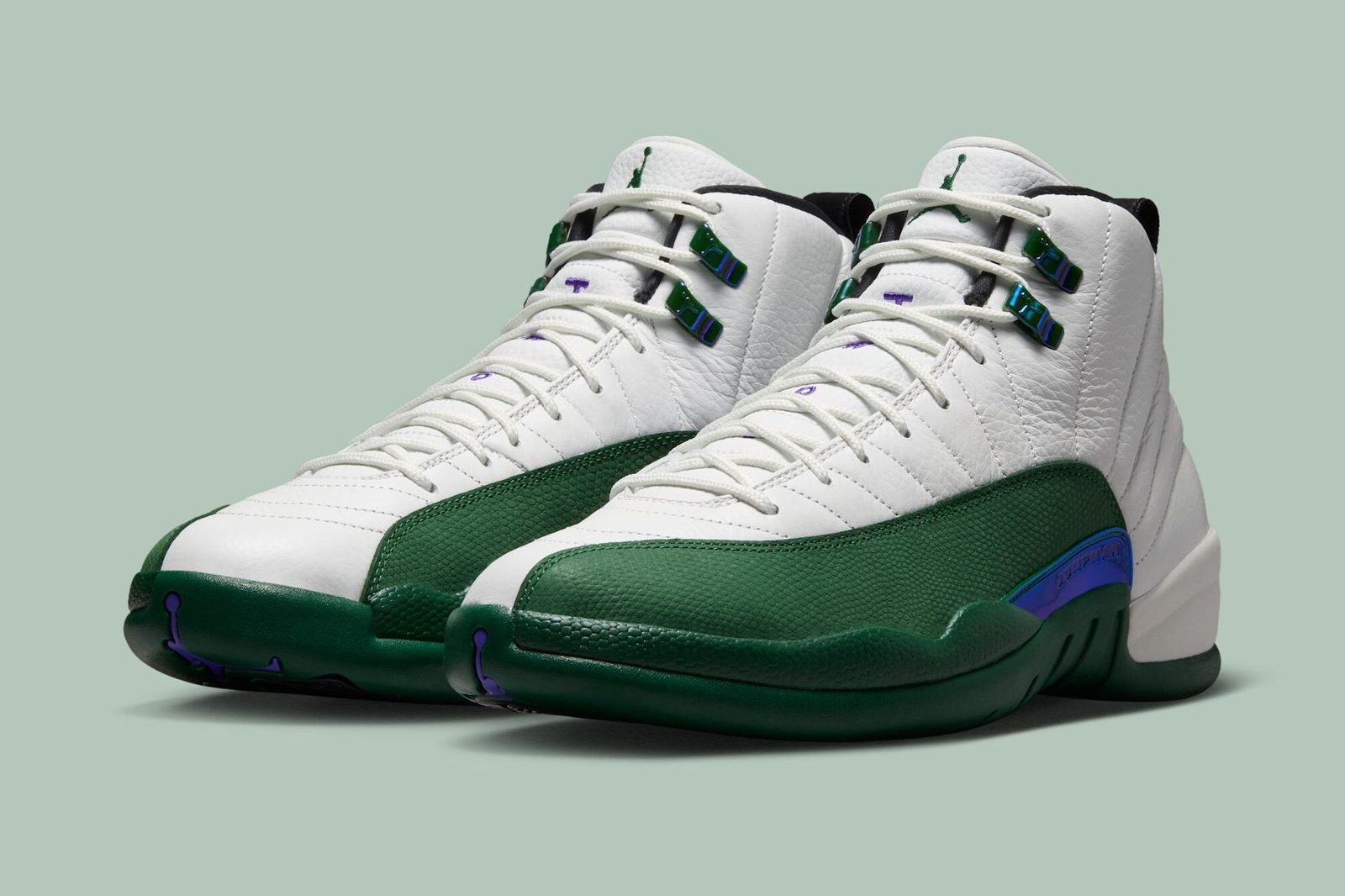
The Air Jordan 12 "Idols Become Rivals" turns a Milwaukee-era player exclusive into a $215 general release on September 12.
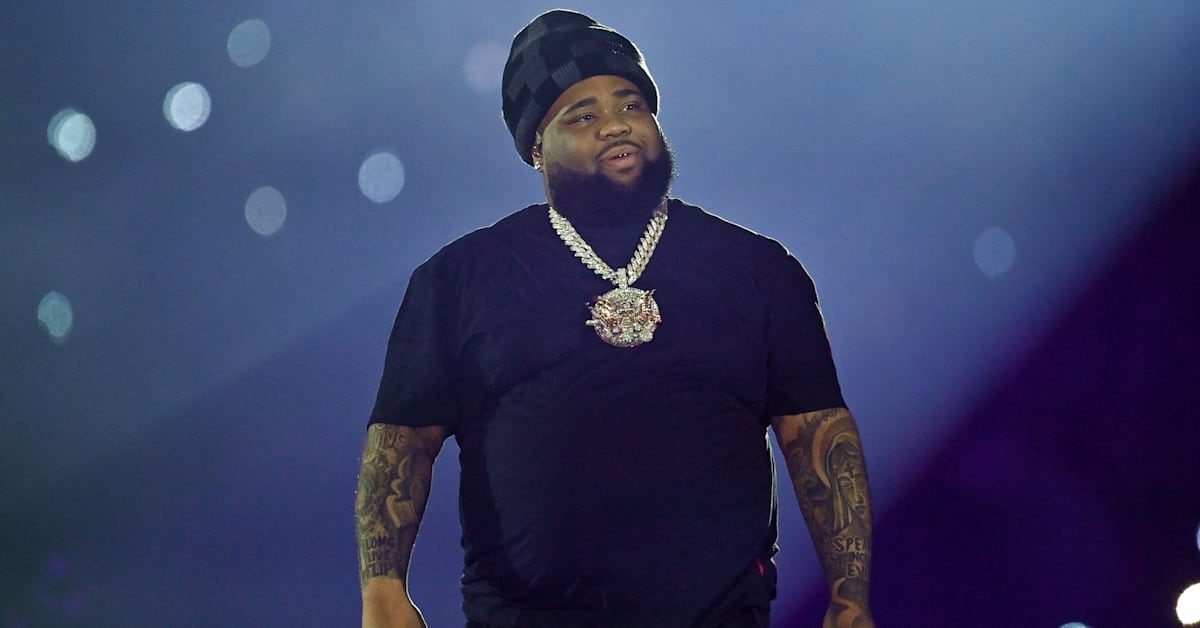
Don't Look Down opened at 99,000 units, almost all of it streaming. That's the Rod Wave floor, and nobody else has one like it.
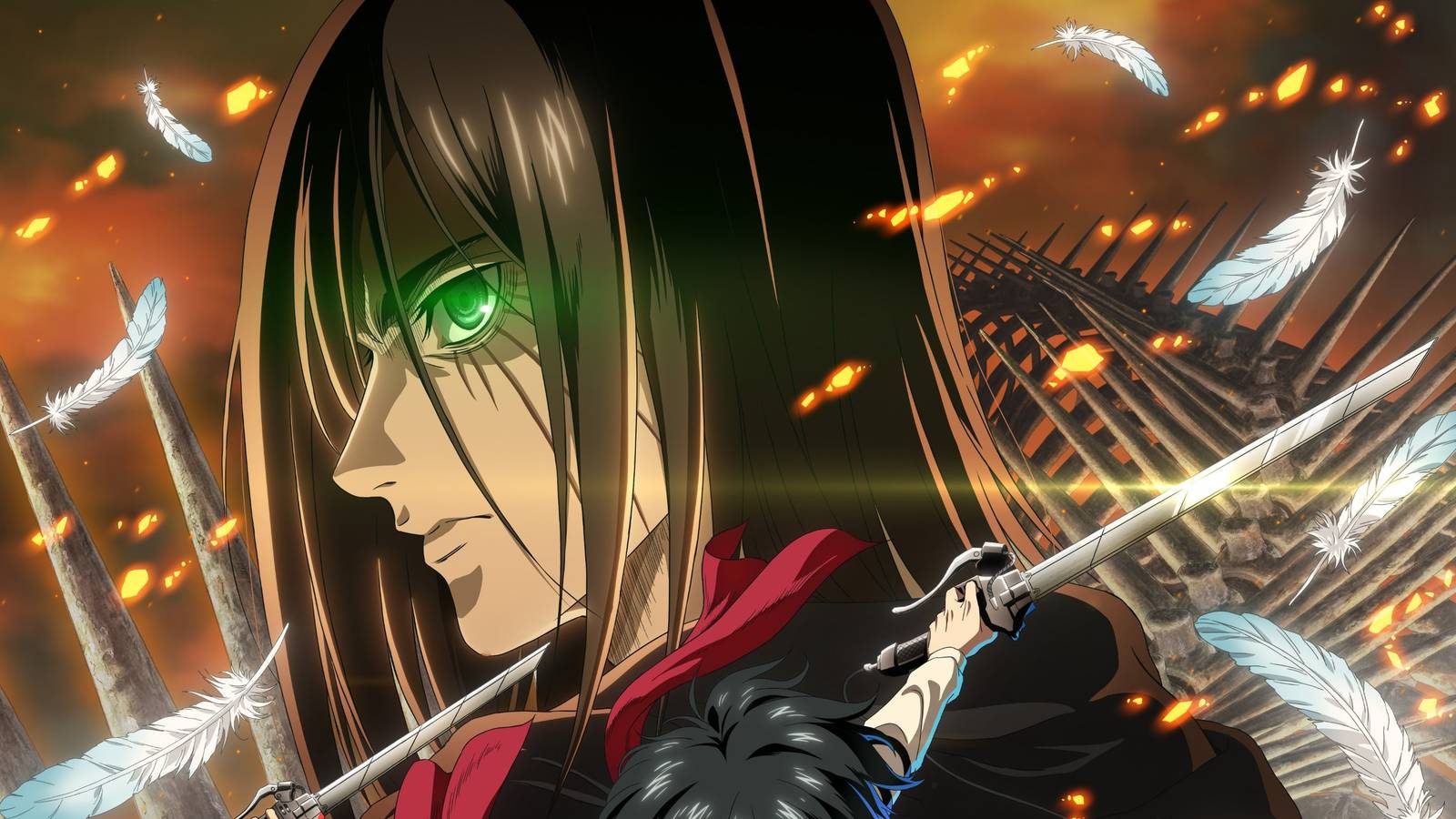
Kodansha turned September 9 into a registered holiday and hung two re-released films, a game and 99 drops off it. Isayama owns the story; the committee owns the day.
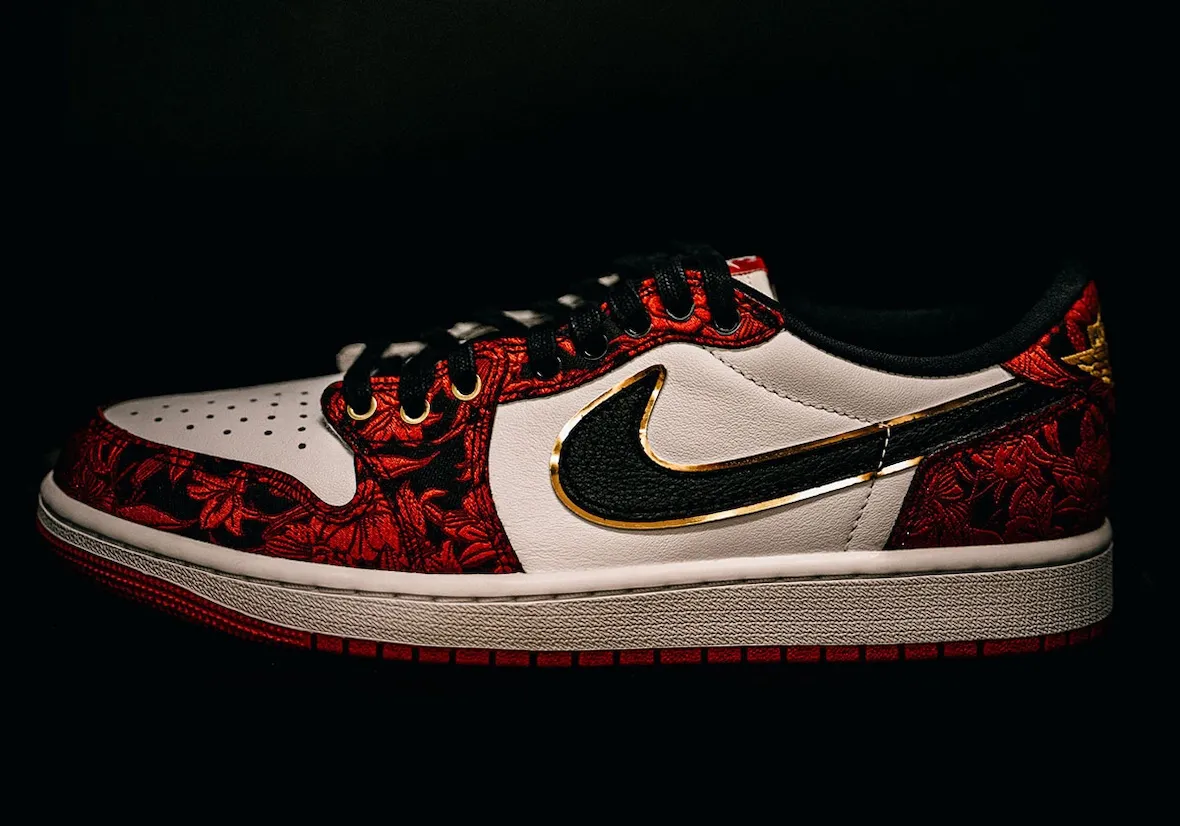
IR0088-001 drops September 26 for $145 — a Garden tribute with tapestry florals swapped for red piping.

His first No. 1 becomes 2026's most-streamed rap album — right as the tour's second leg launches.
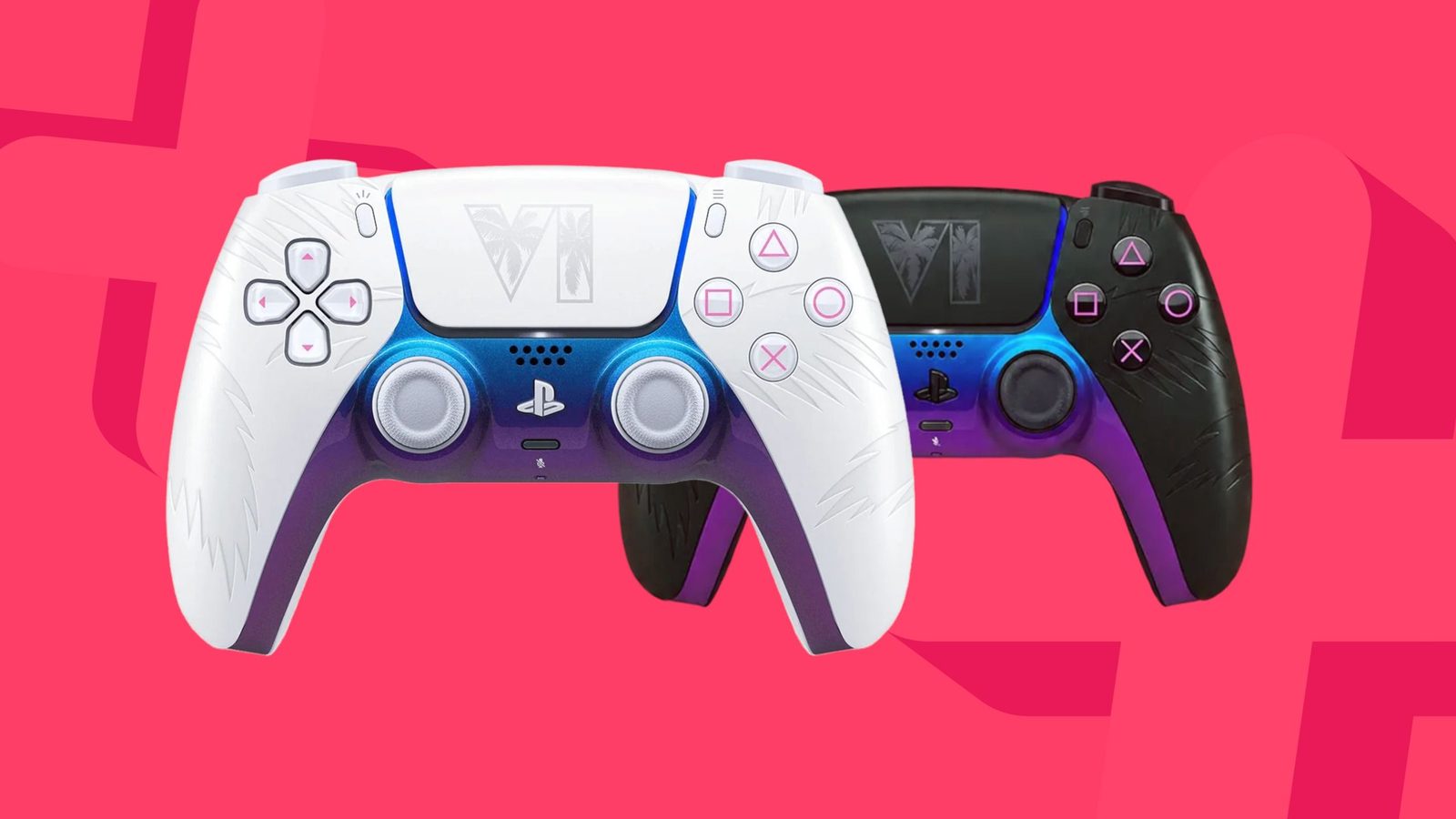
Sony's $84.99 Vice City DualSense sold out in hours. The pricing and the exclusive channel tell you how launch is being run.
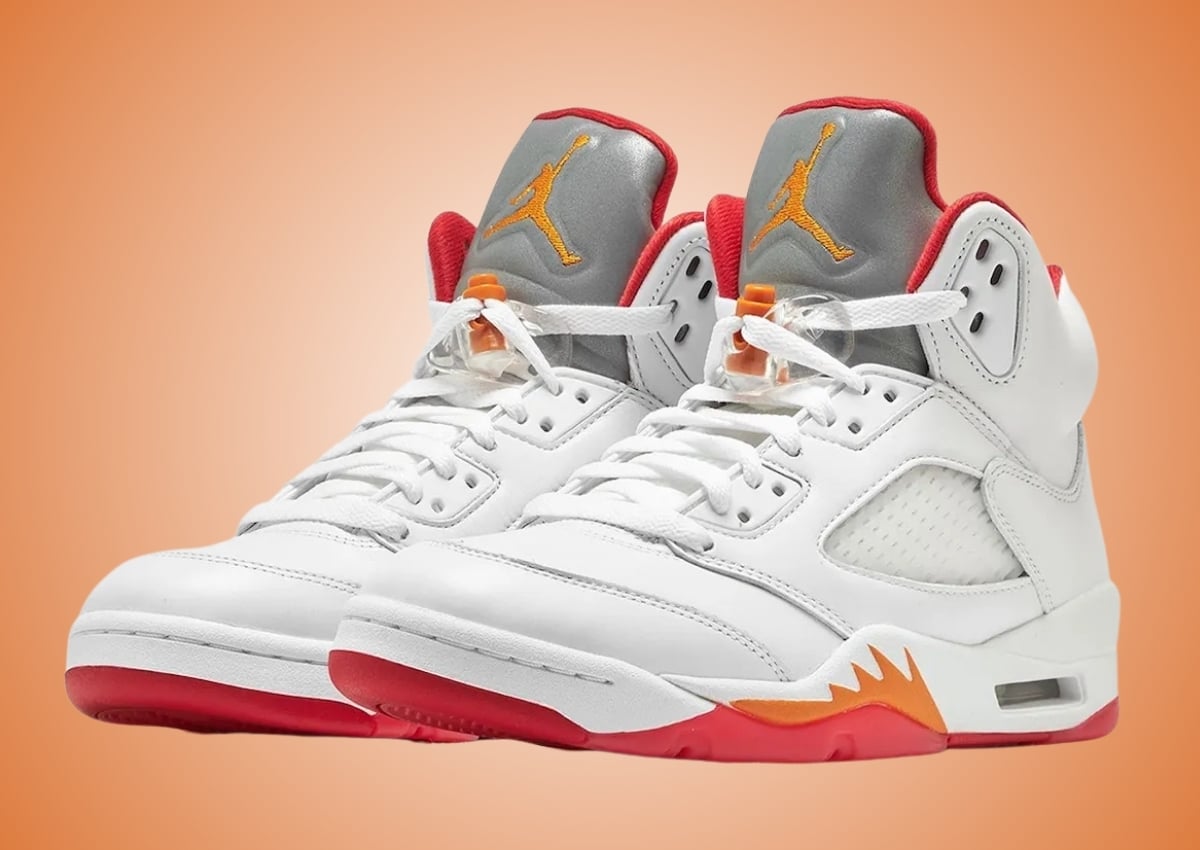
IV5678-102 drops September 25 for $205 — women's-exclusive, with a 3M sunset backdrop.
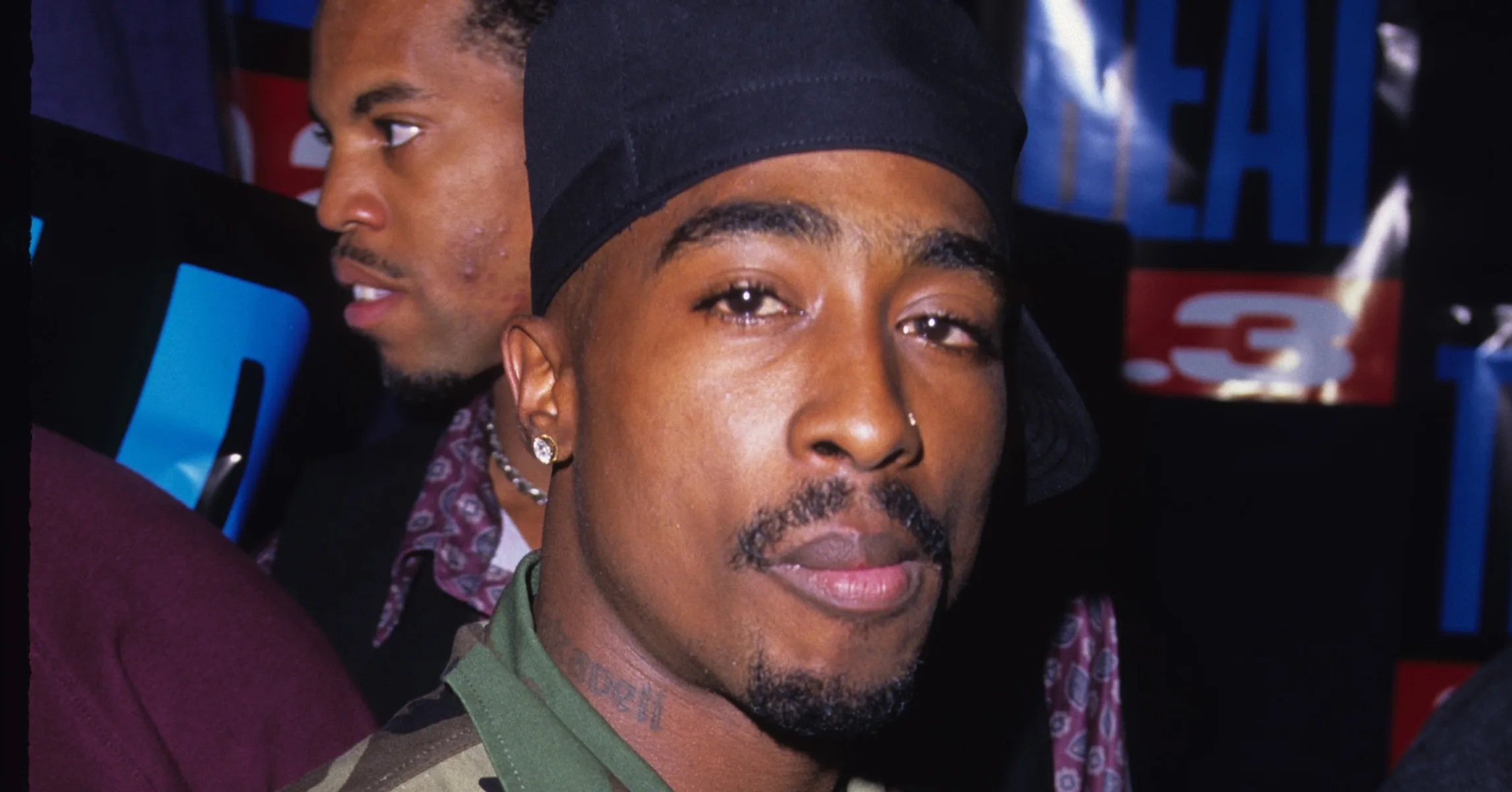
As reported, jury selection is set for Aug 10 in Las Vegas as Davis maintains his innocence.

Rumored December 12 for $255 — the cosmic Galaxy graphic on a Jumpman signature for the first time.
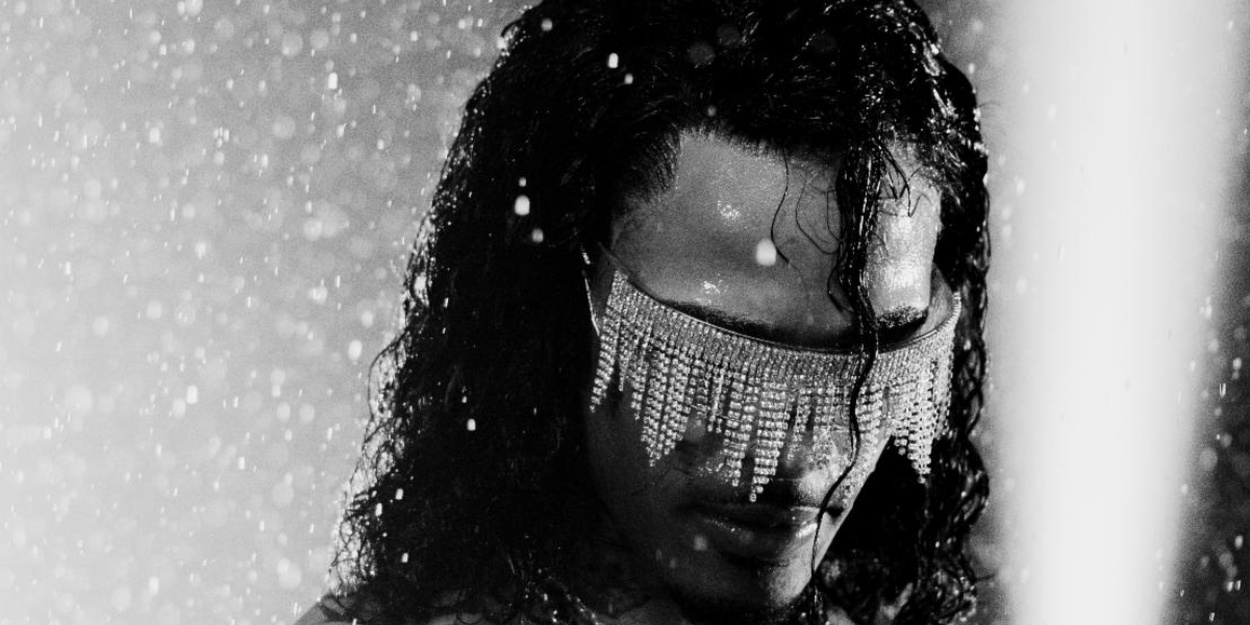
The streamer-rapper's new single and Nick Mays-directed video turn a stream gag into a real rollout.
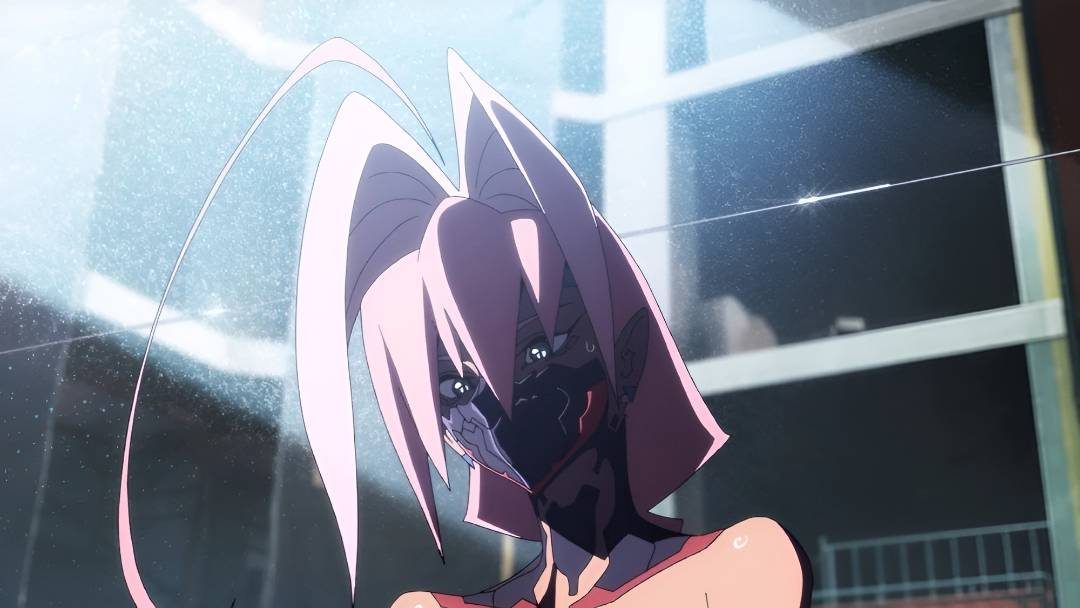
Edgerunners, Steel Ball Run, Black Clover and a remastered Dragon Ball Super carry the quarter. Netflix and Sony carry the checks.
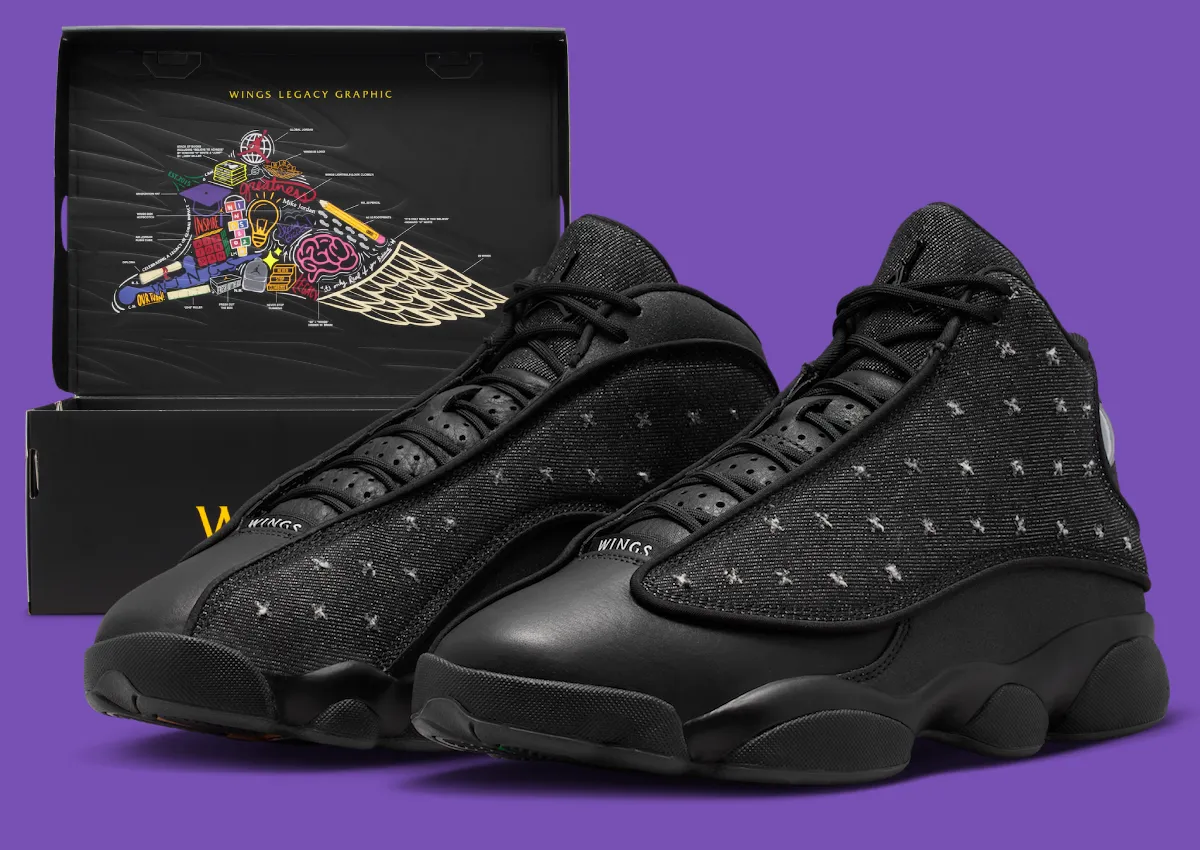
The Air Jordan 13 'Wings' drops today: a black denim wear-away upper, color hidden in the pods, and a WINGS education tie-in — limited to about 12,000 pairs.

The Chicago singer's third album, executive-produced by DJ Dahi, leads the Aug 7 slate.
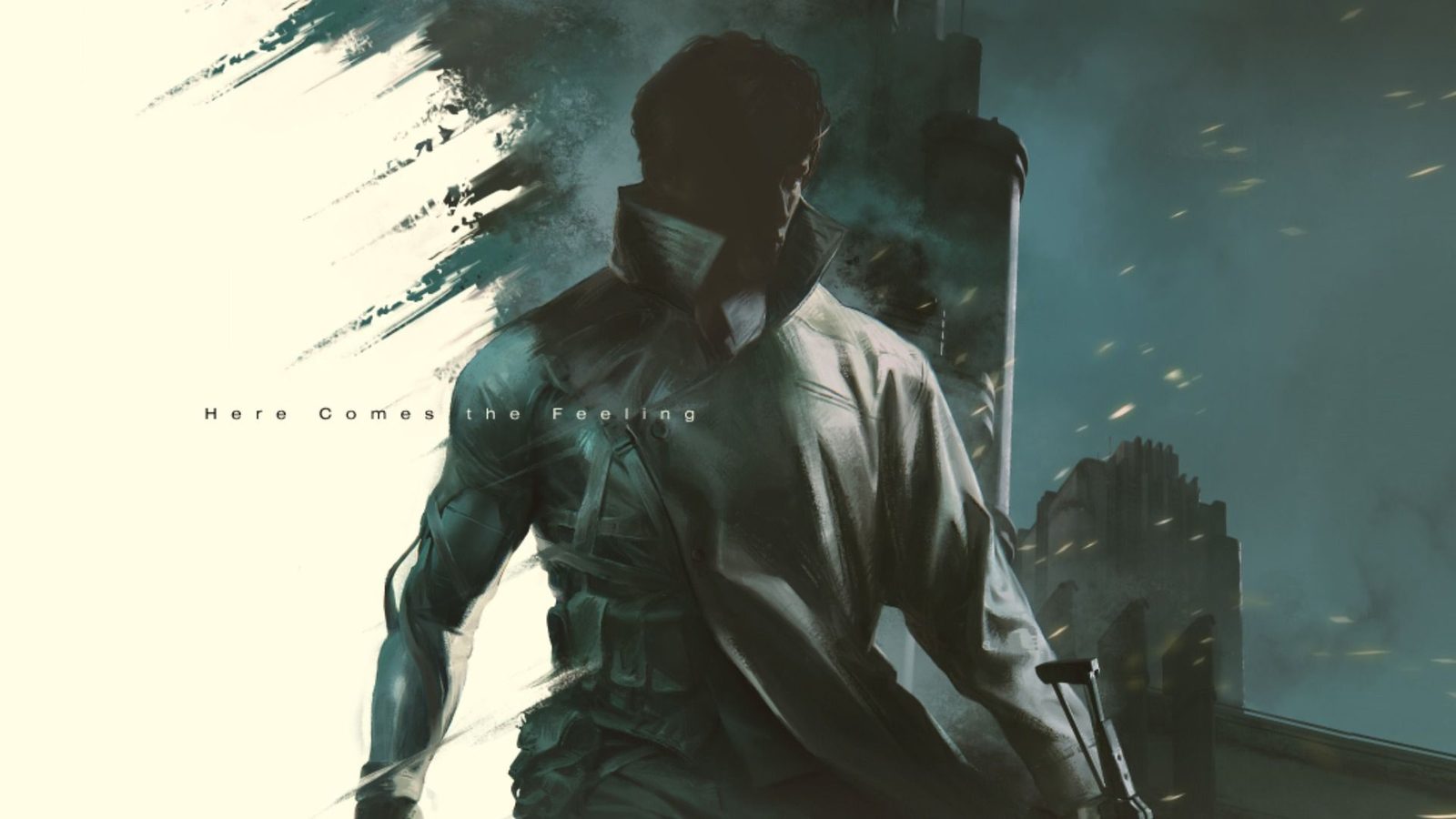
Xbox bought publishing rights, not the IP. The only company holding real leverage is the smallest one in the room.
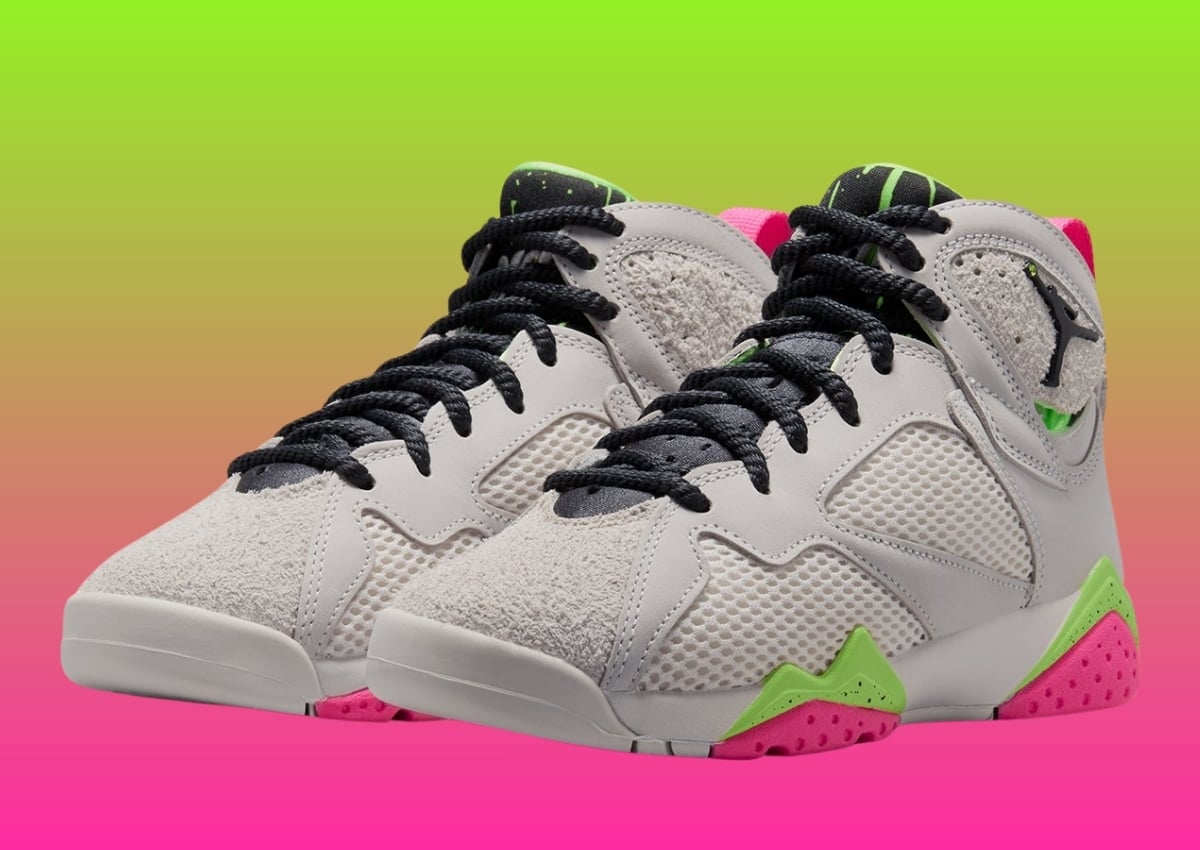
IV6508-030 drops September 9 for $215 — Air Tech Challenge colors, US Open timing.
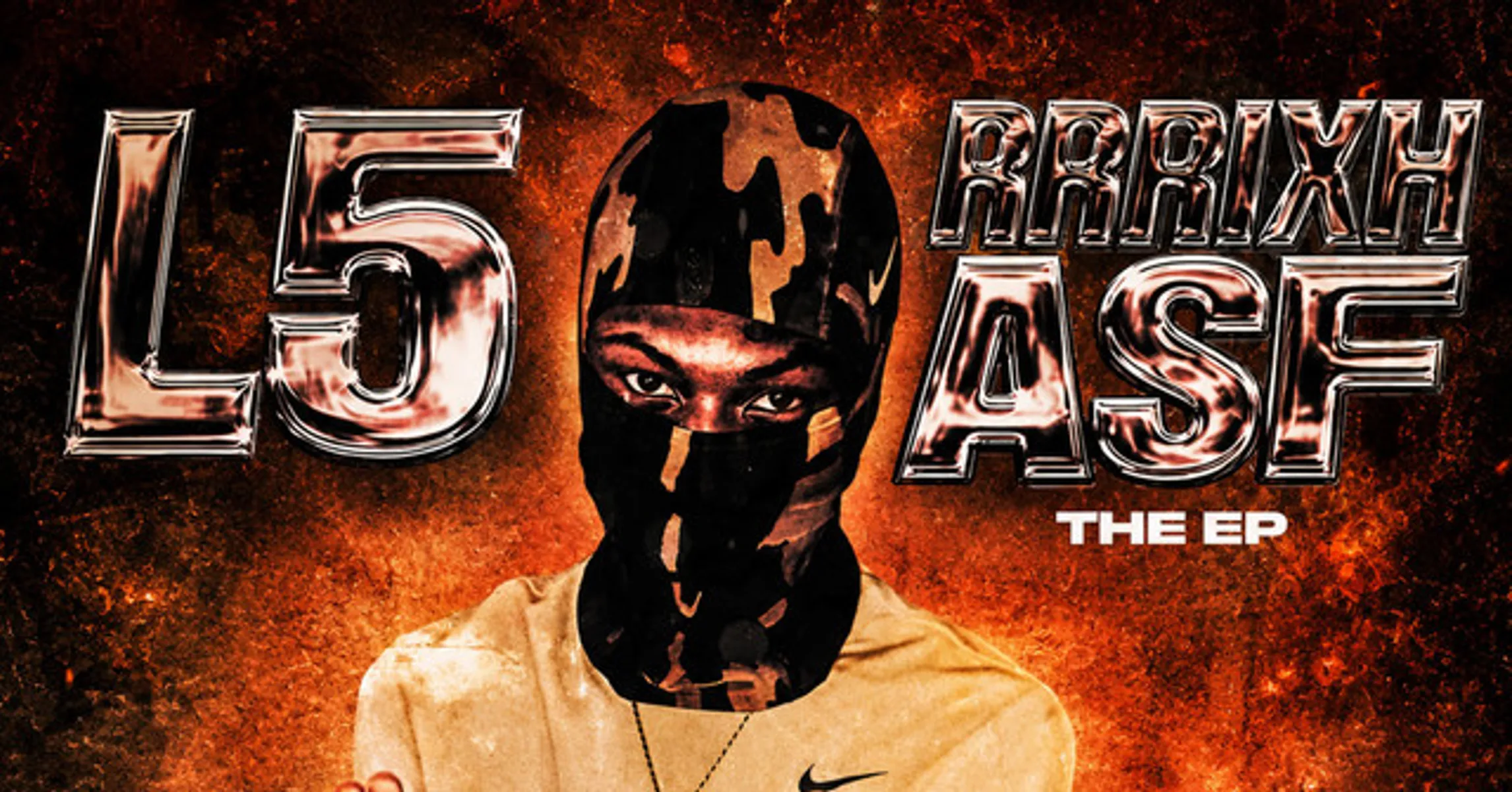
A rising name and rap's most influential weirdo trade energy on a buzzing new single.
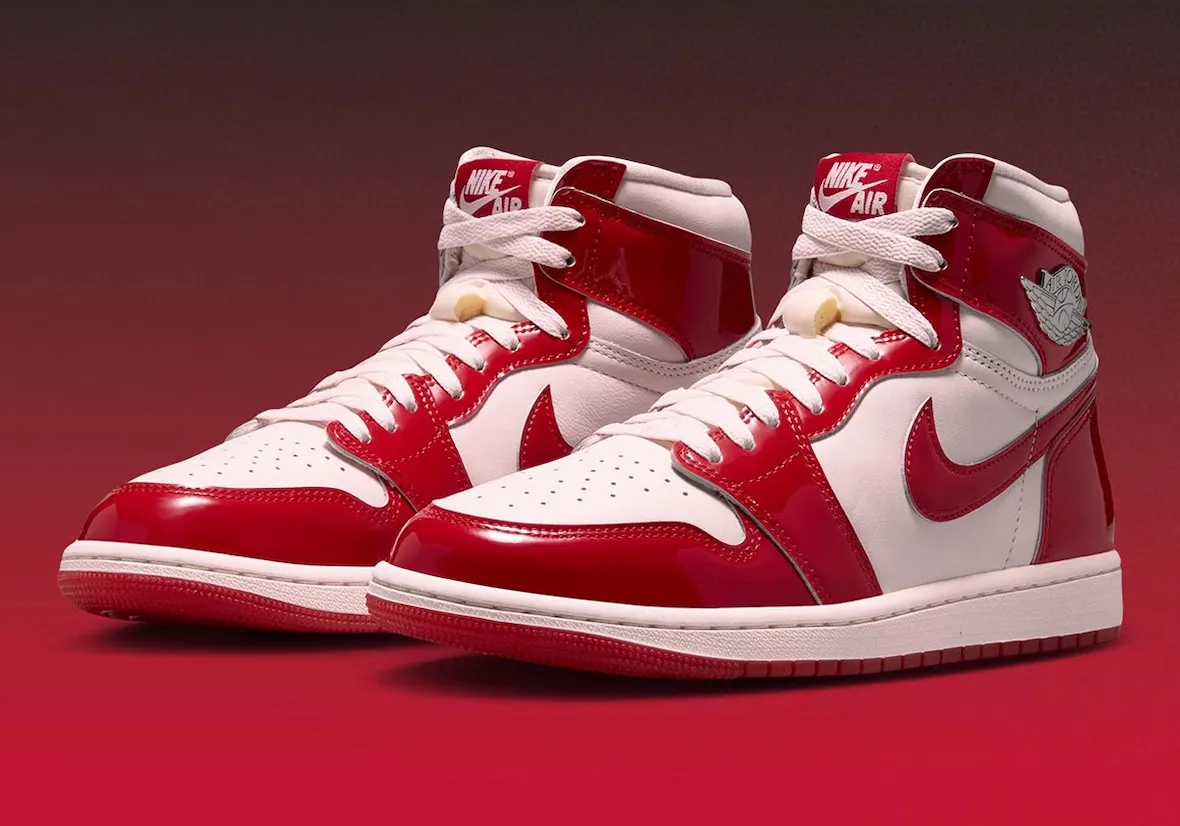
FD2596-601 drops September 2 for $185 — glossy red patent and five glue-on charms.

Kai Cenat and IShowSpeed run their Hardcore Minecraft marathon back on August 7 — but this time the stream doesn't end until all four bosses are dead, not just the Ender Dragon.
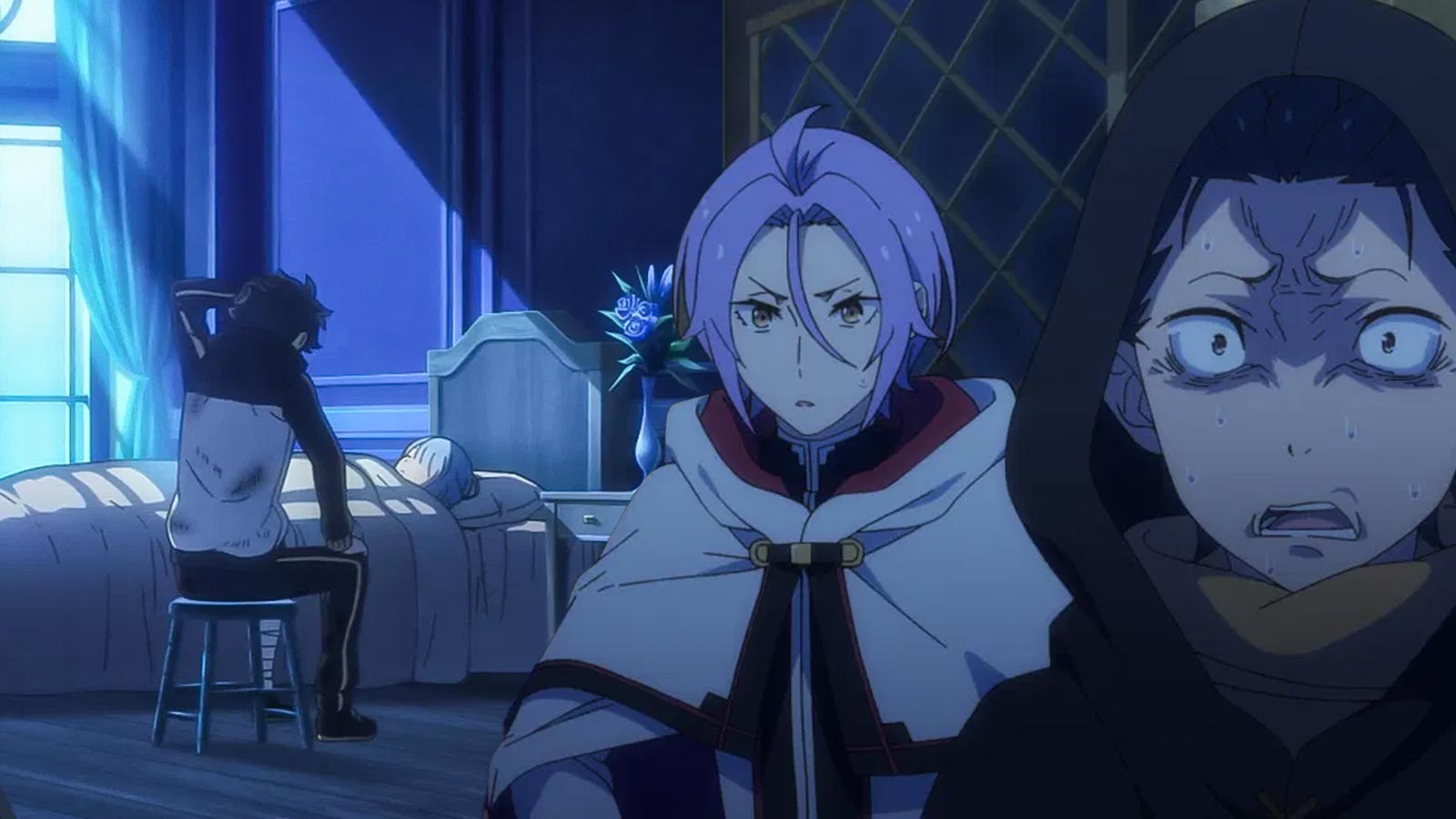
Eight episodes of Arc 6, a Pleiades Watchtower deep-dive, and a Subaru who's losing himself.
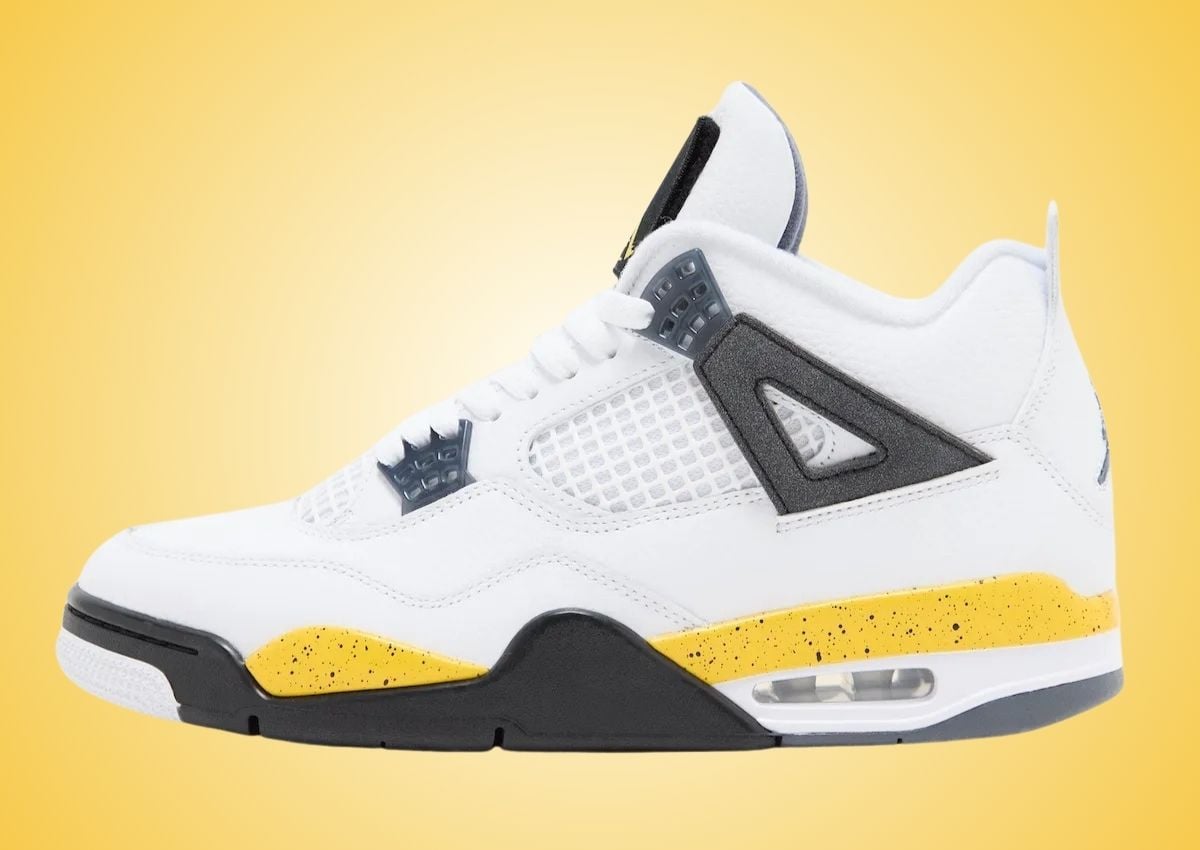
IO2463-102 drops September 5 for $220 — the removable Flight patch reveals 'Rare Air.'
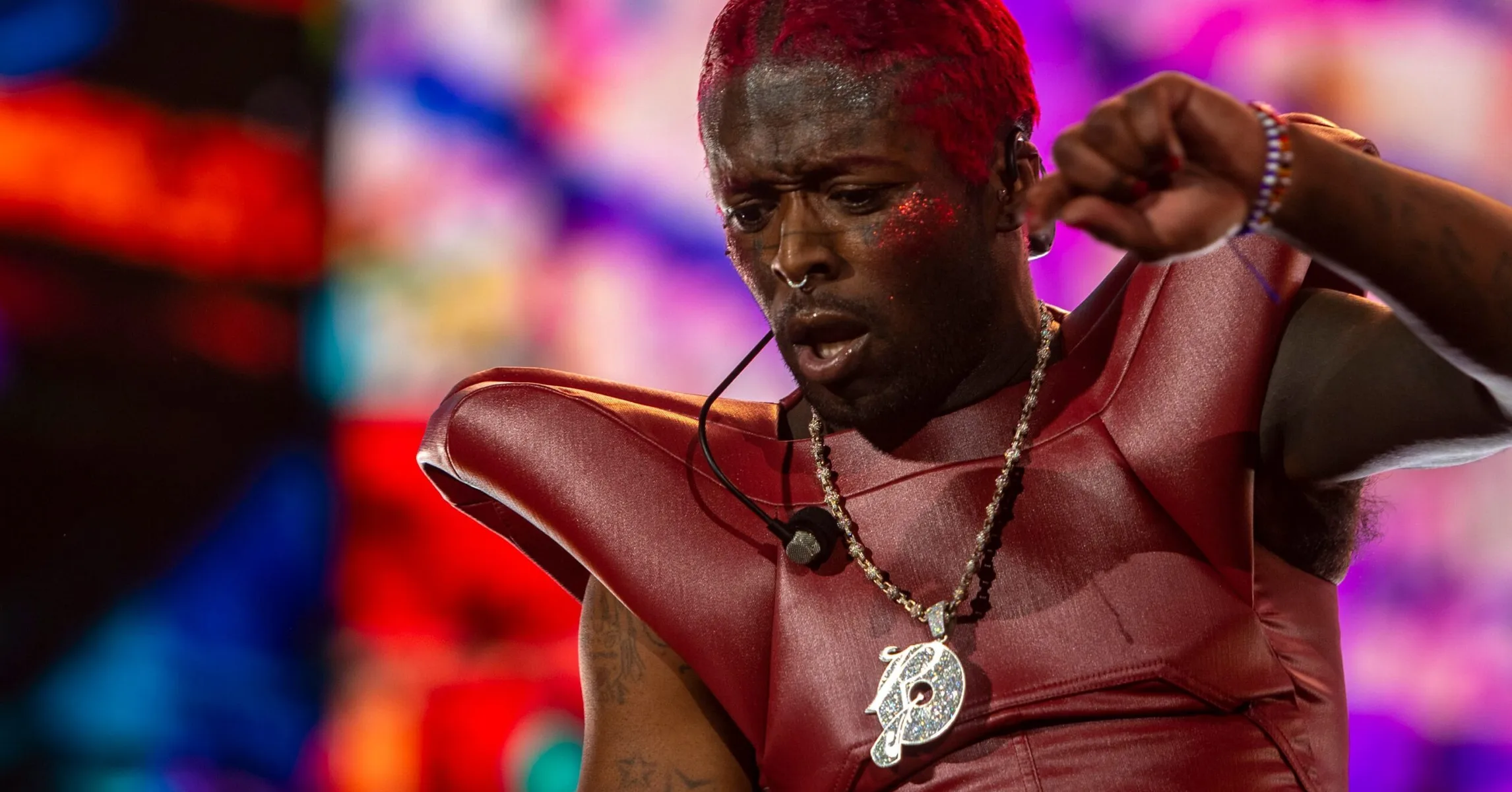
Lil Uzi Vert got rained out of Lollapalooza, crashed Major Lazer's set, and surprise-dropped the Maverick "Almost Forever" EP — which shot straight to No. 1 on Apple Music's Hip-Hop/Rap chart.
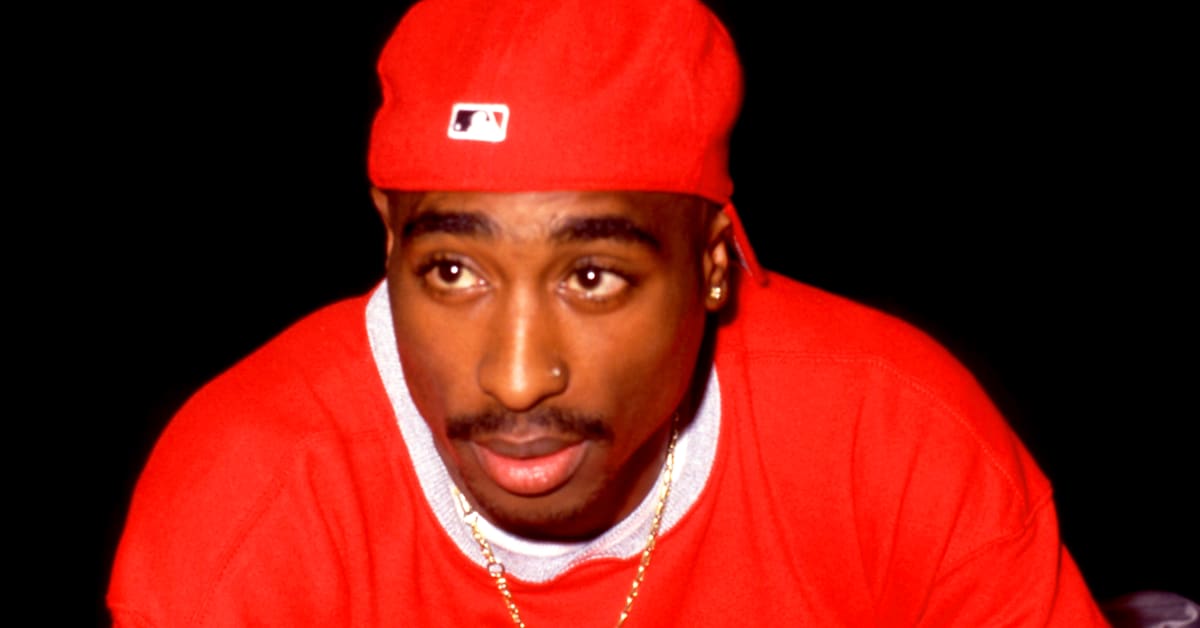
SEGA's Gamescom slate this week keeps the spotlight on Stranger Than Heaven, where Tupac appears as the character Amaru.
A brown-and-ivory AJ1 High OG built around Jordan's farewell to the game — out now at $185, style code DZ5485-201.

TDE's dark masterpiece turns 10, and Q is running it back city by city this fall.
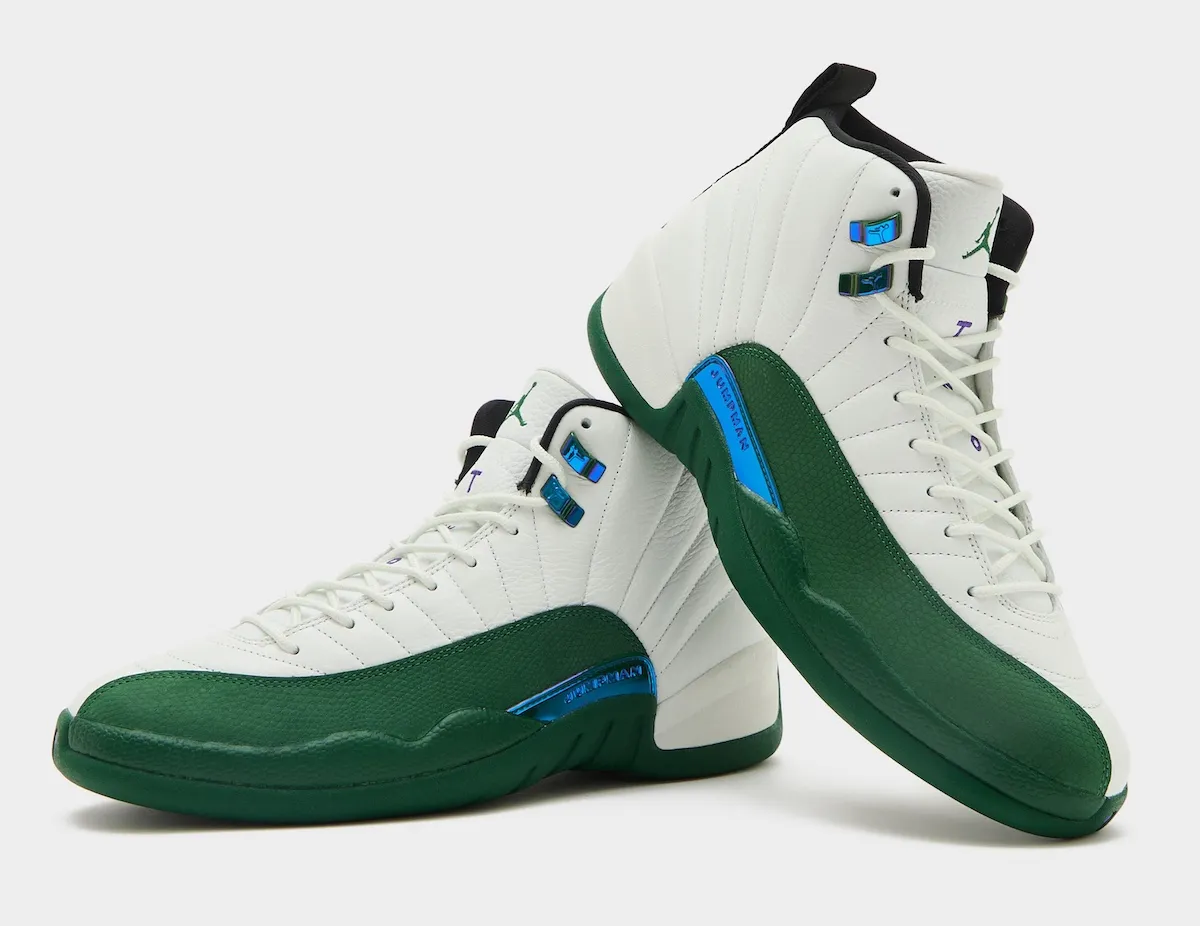
CT8013-103 drops September 12 for $215 — the Milwaukee green-and-purple 12, minus the heel lettering.

A 26,600-square-foot warehouse becomes the base for the internet's most relentless creator.
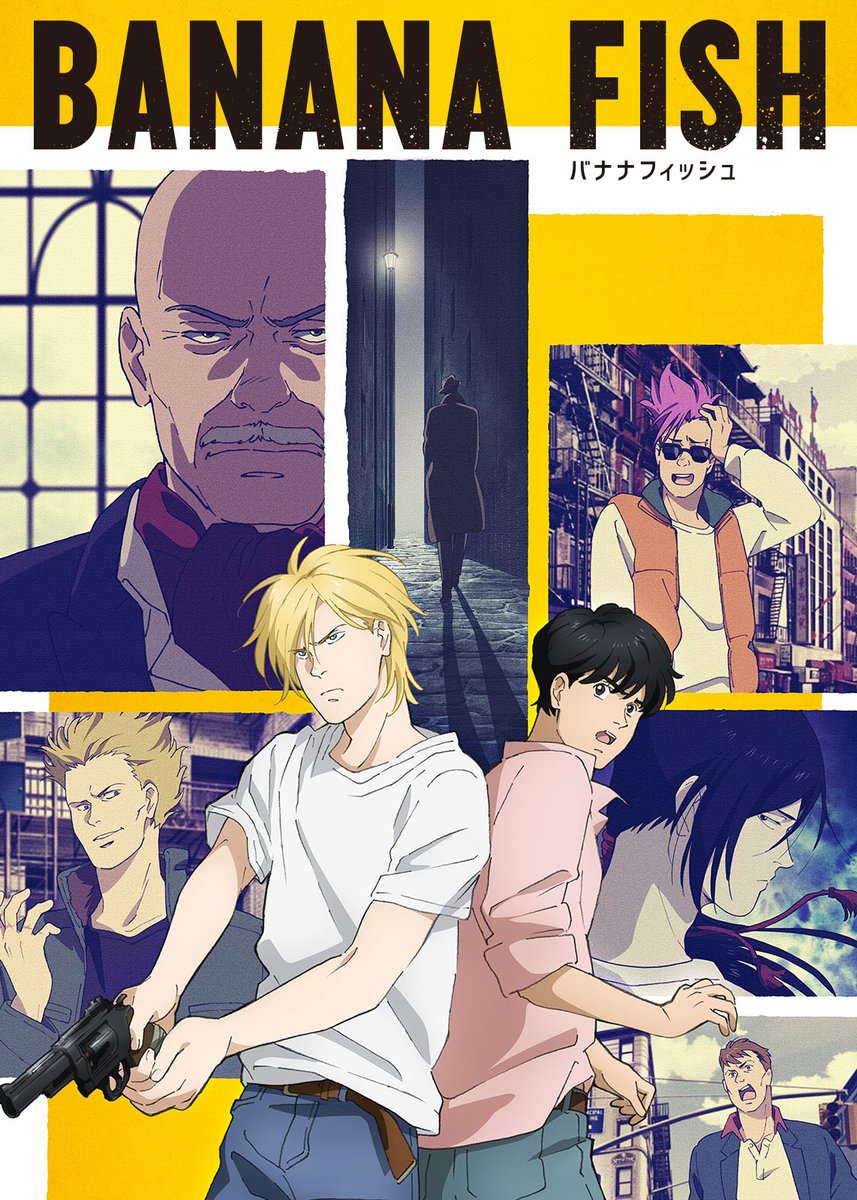
After Amazon's pulled AI dub, Netflix recasts Ash and Eiji with named actors on August 12.
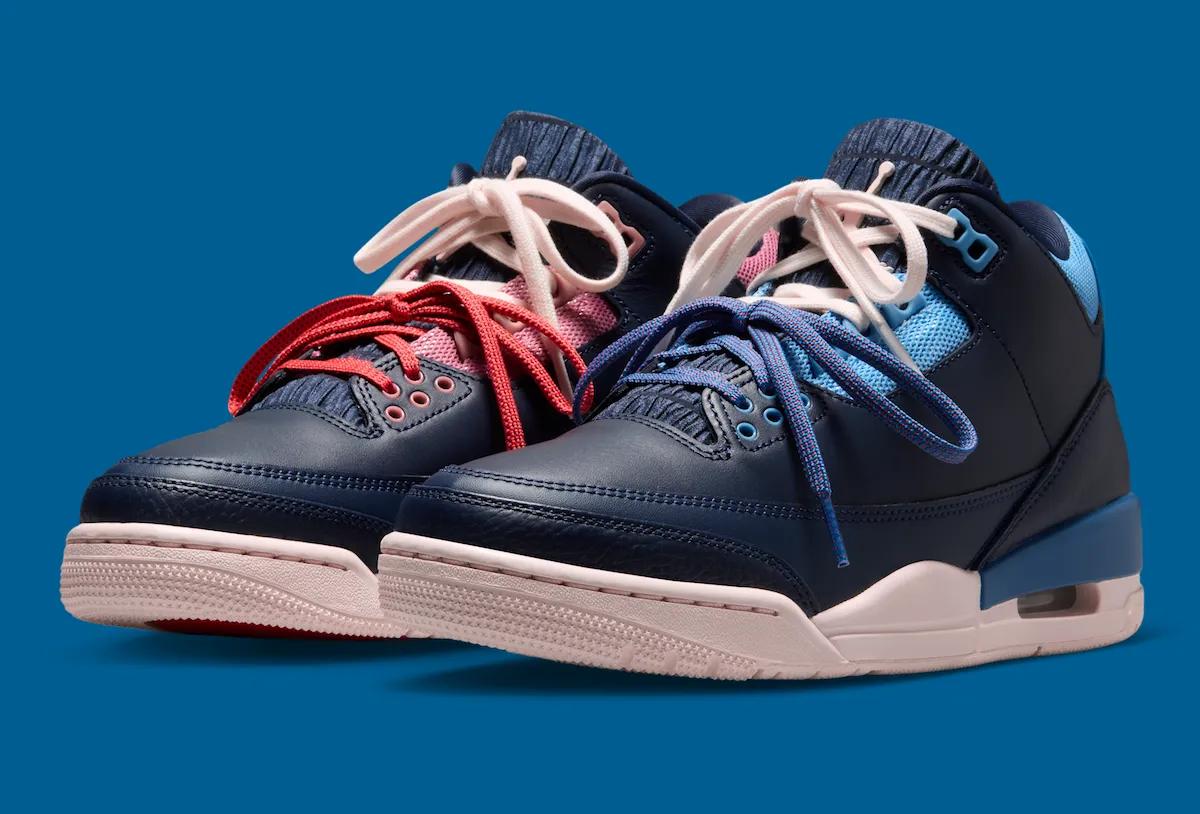
CK9246-400 drops August 15 for $205 — left shoe reds, right shoe blues, one Obsidian base.
Ye pulled a record crowd in Istanbul, and the Bully tour's European stadium run reloads at the end of August. Report it straight - the numbers are the story.
Nintendo aired a focused August 4 Direct built almost entirely around the Switch 2 tactics RPG Fortune's Weave.

Ten-plus AJ drops from Aug 1 to Aug 29 — the whole slate, linked and decoded.
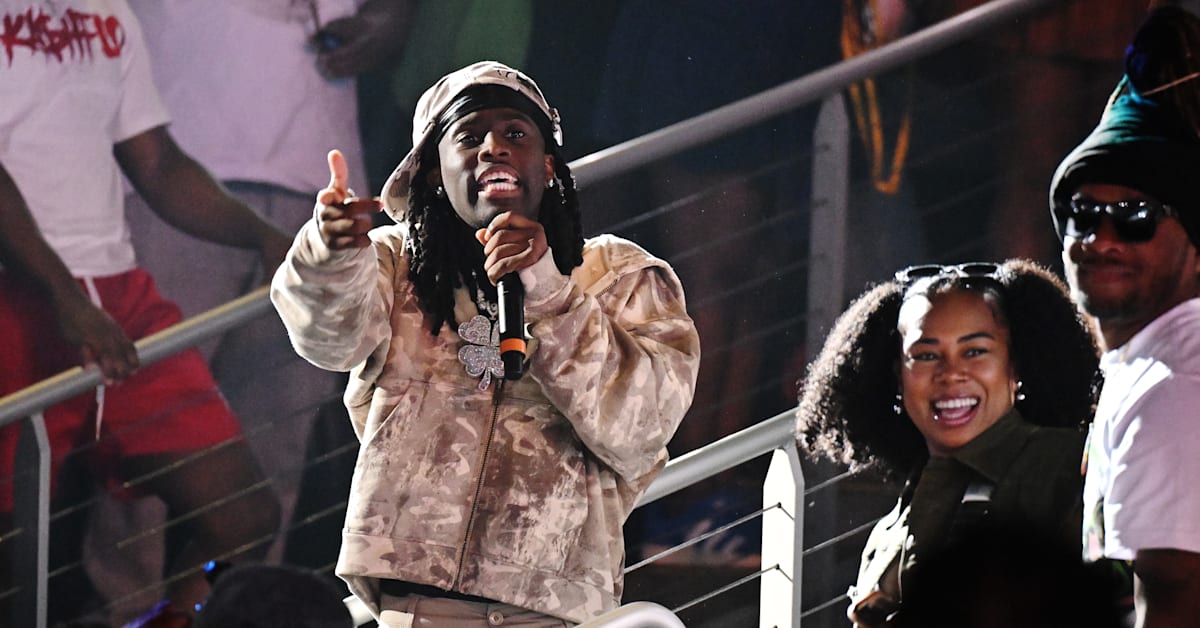
Post-Streamer University, the numbers say Kai Cenat ran July without breaking a sweat.

IW3808-400 drops August 1 for $215 — the OG that broke the Bulls rulebook, decoded.
The Bully world tour lands at Estadio Algarve on August 7, Ye's first show in Portugal since 2011, part of a European stadium run.
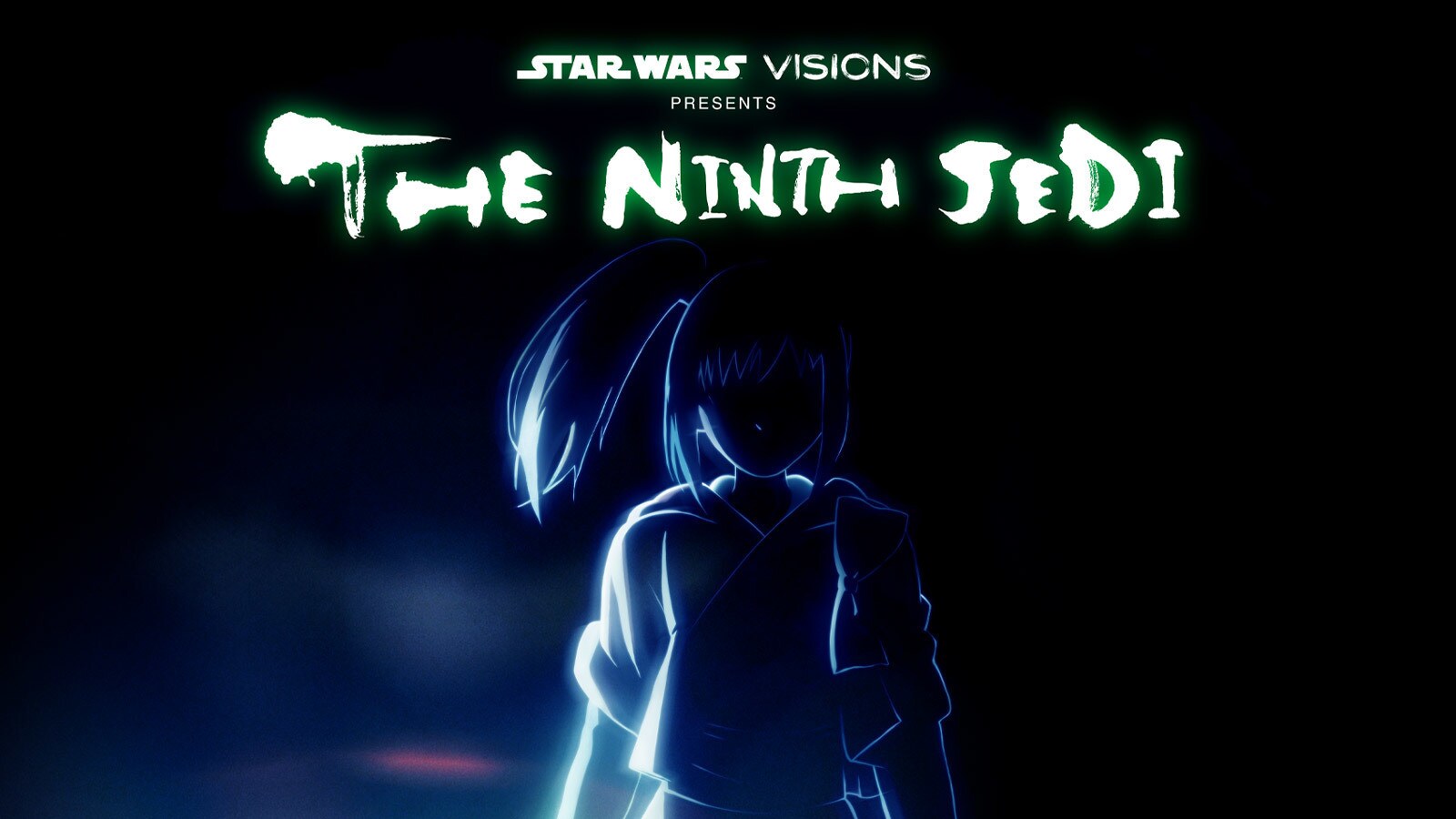
The galaxy's first full-length anime series lands on Disney+ and Hulu, and it's a genuine culture crossover.
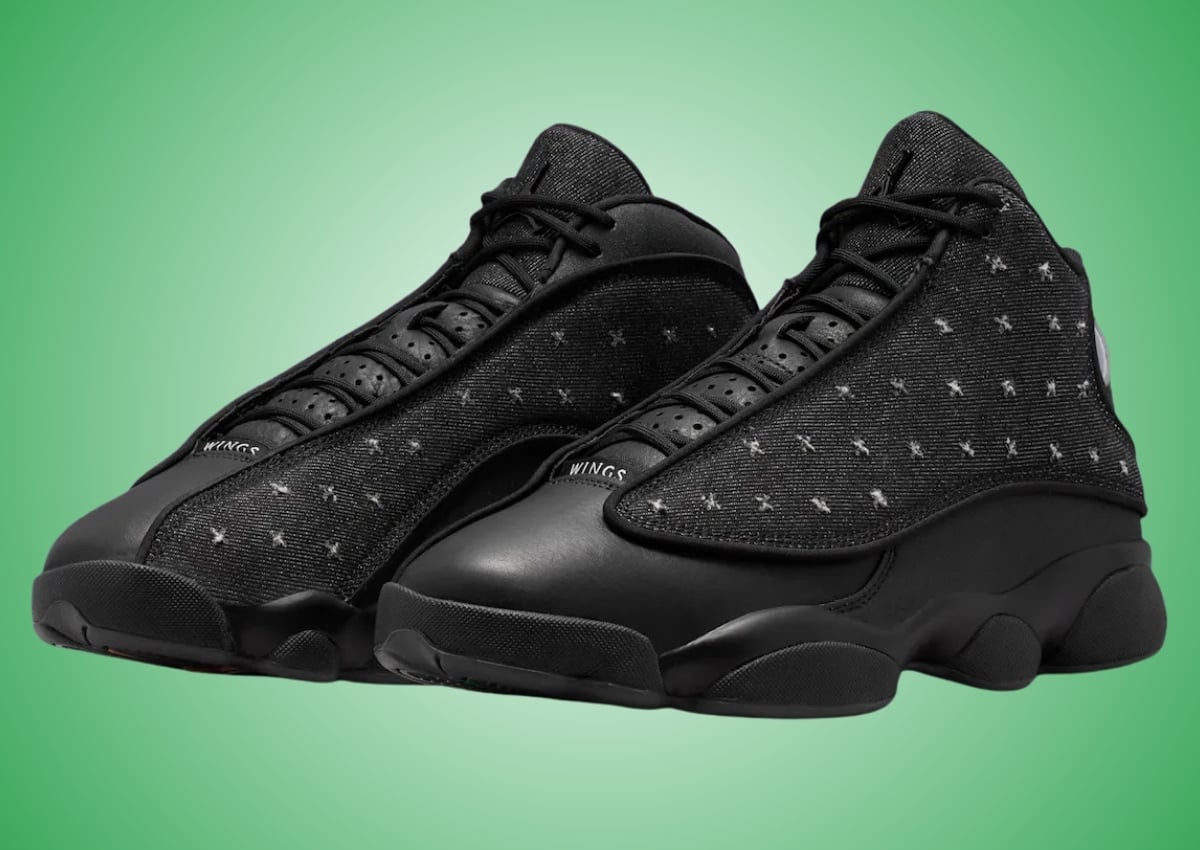
IX1872-001 drops August 6 for $215 — removable denim panels and a green cat-eye.

Twista and Young Roddo join Chance for a hometown night at the historic Ravinia Festival.
Rockstar is premiering an extended look at Grand Theft Auto VI on Netflix August 27 before it hits YouTube — a first-of-its-kind window that treats a game trailer like a prestige-TV drop.
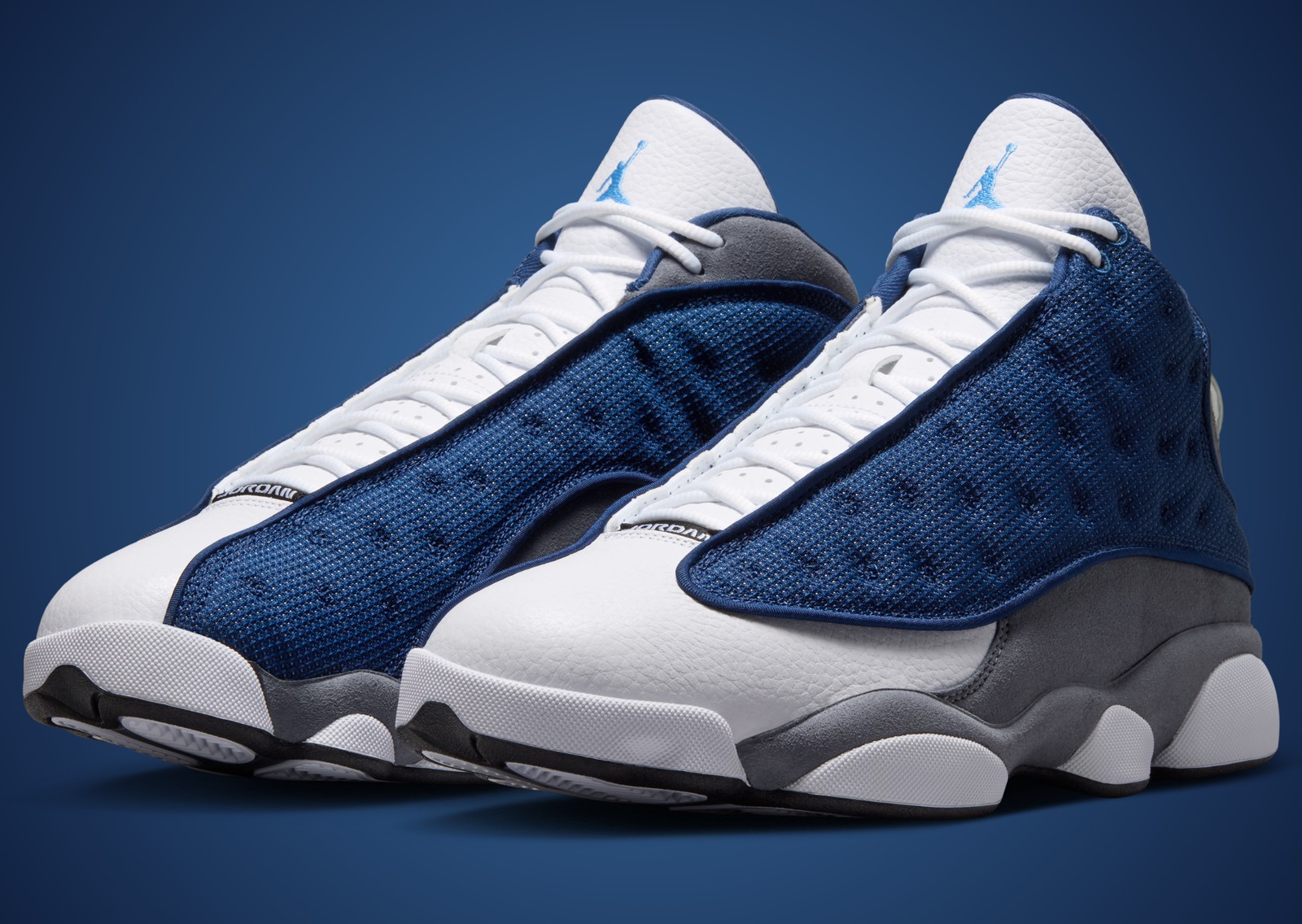
Official images arrive for the navy-and-flint-grey AJ13, back in full-family sizing to open August at $215.
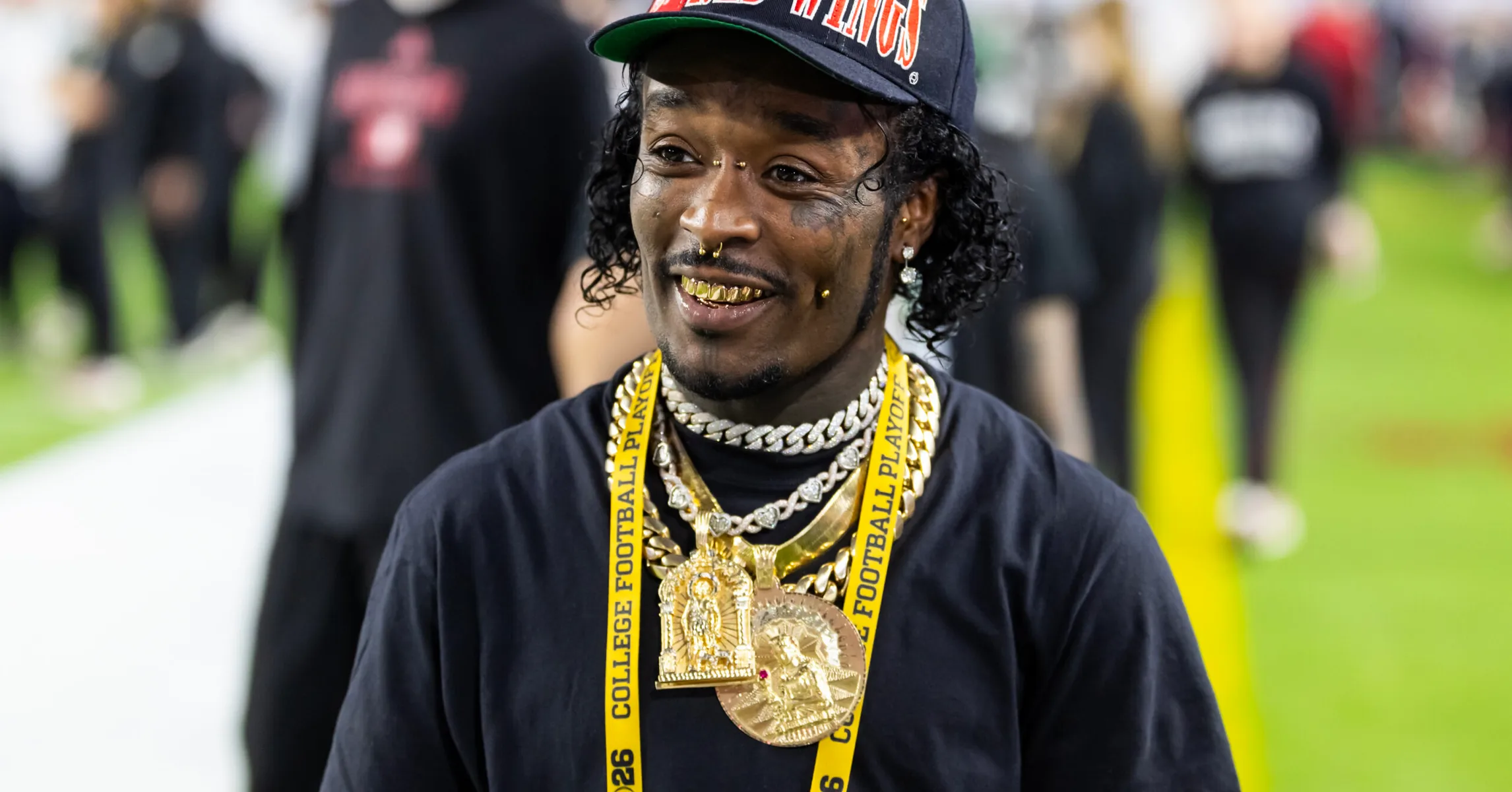
Storms killed the Lollapalooza slot. Uzi answered with 'Maverick "Almost Forever"' and a Major Lazer crash.
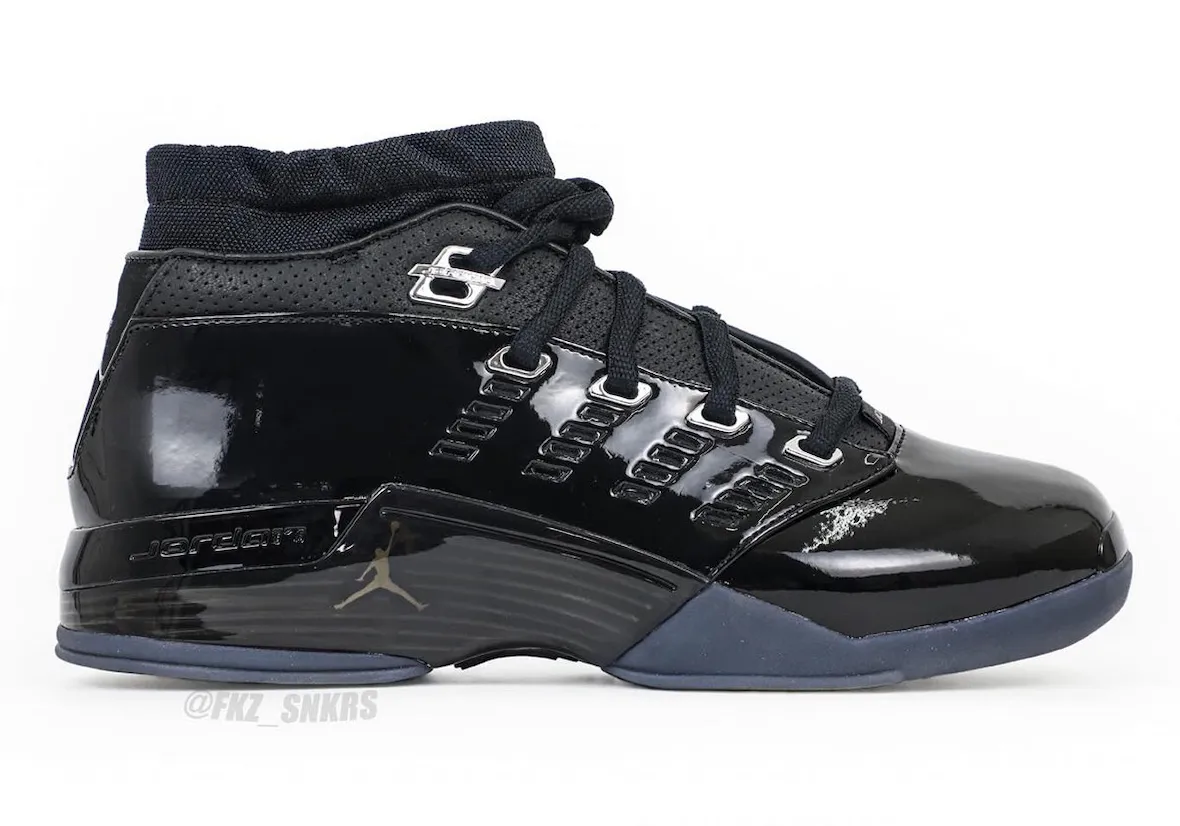
IV7640-001 arrives August 8 for $245 — glossy patent leather on one of the rarest retros.
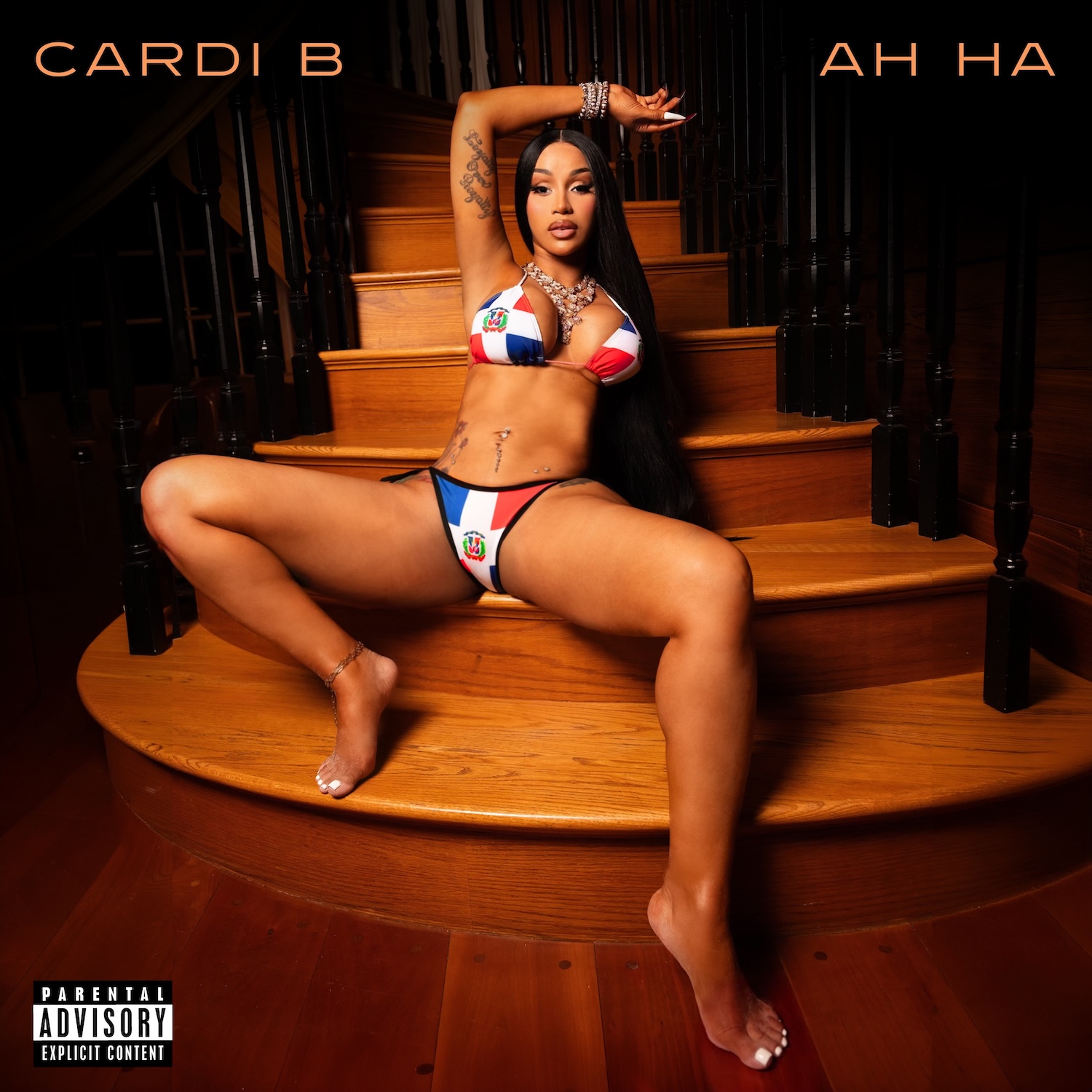
Over a DJ SwanQo beat, Cardi turns a braggadocious flex into her first solo record since the sophomore album.
The two-day event streams free on YouTube August 22-23, with the World Top 100 character poll results as the main draw.
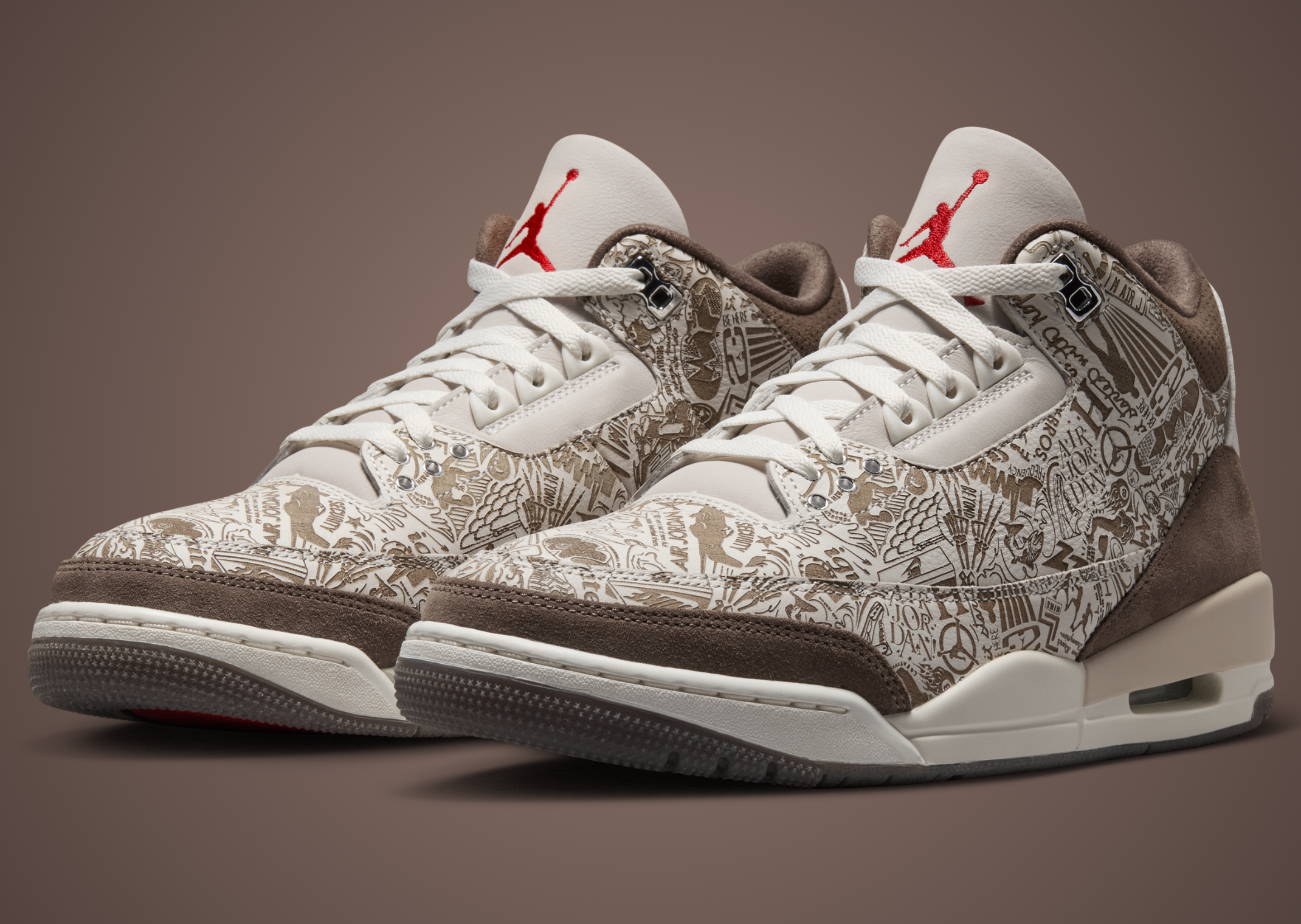
Detailed images land for the all-over-print AJ3 'Laser,' debuted by Jayson Tatum and dropping August 22 at $230.
Her first single since 'Am I The Drama?' racks up 923K streams on day one and takes the U.S. iTunes rap crown.

The star-studded tag fighter from the Guilty Gear studio launched August 6 with a 20-character roster.

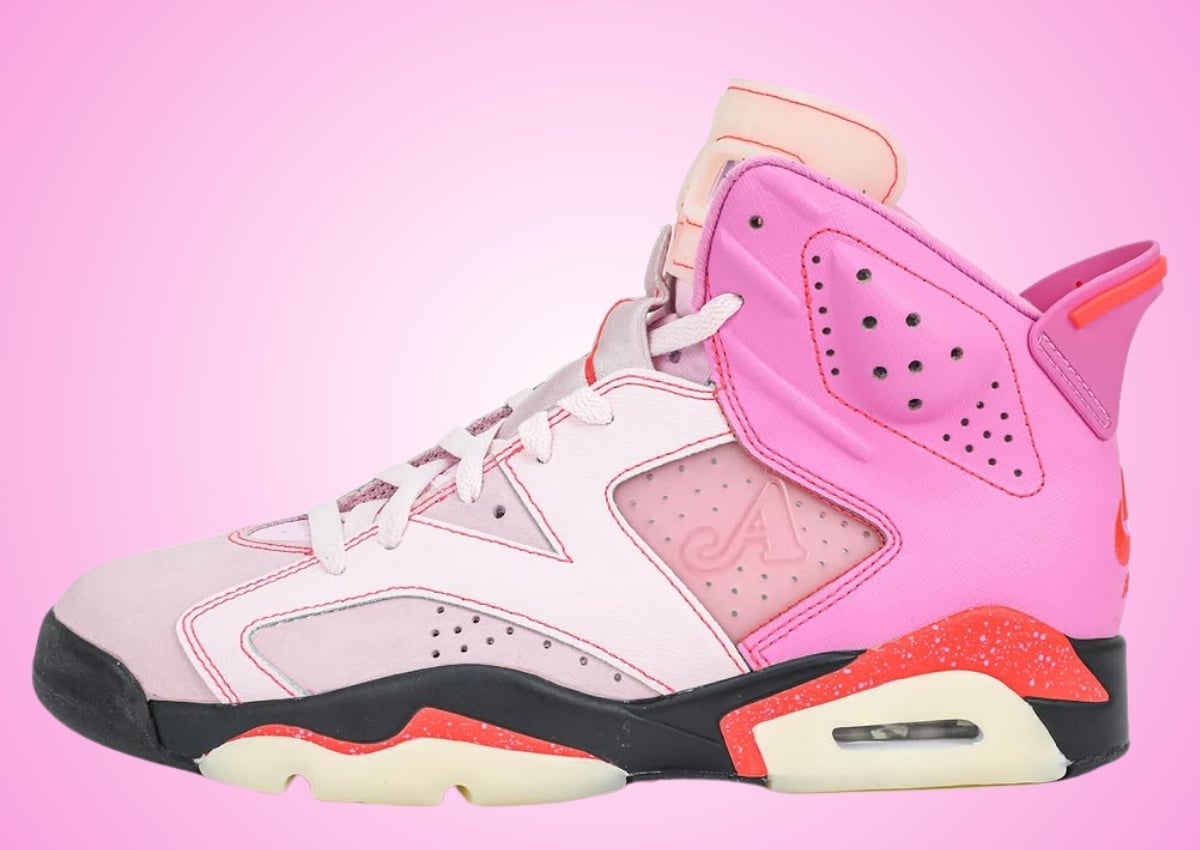
Leaked July 28 — the BMX star's next Jordan jumps to the 6, themed off the 1991 NES game.

Pusha T and Malice turned a rain-delayed Sunday into the set of the weekend. Outside Lands is next.
IQ5706-600, $230, August 29 — one of two Awake 6s marking the silhouette's 35th.
Ye brings the Bully world tour to Almaty Central Stadium on August 14 - his first major concert in Kazakhstan, and the biggest live-music moment Central Asia has seen.
One Piece is deep in the Elbaf arc with the fight against Imu escalating, and Oda has set two manga breaks in August, tightening the pipeline at the peak.
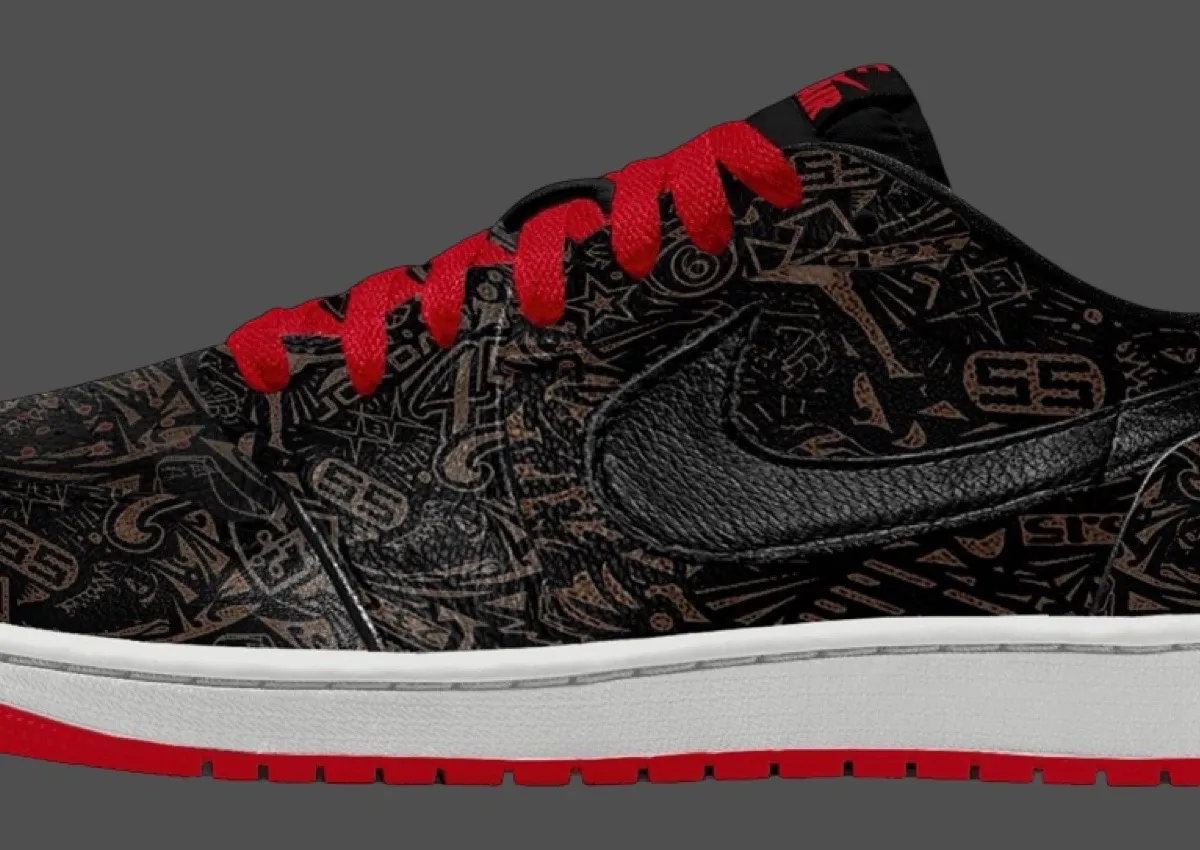
IV6750-001 drops August 22 for $145 — the mid-2000s storytelling treatment on a Low OG.
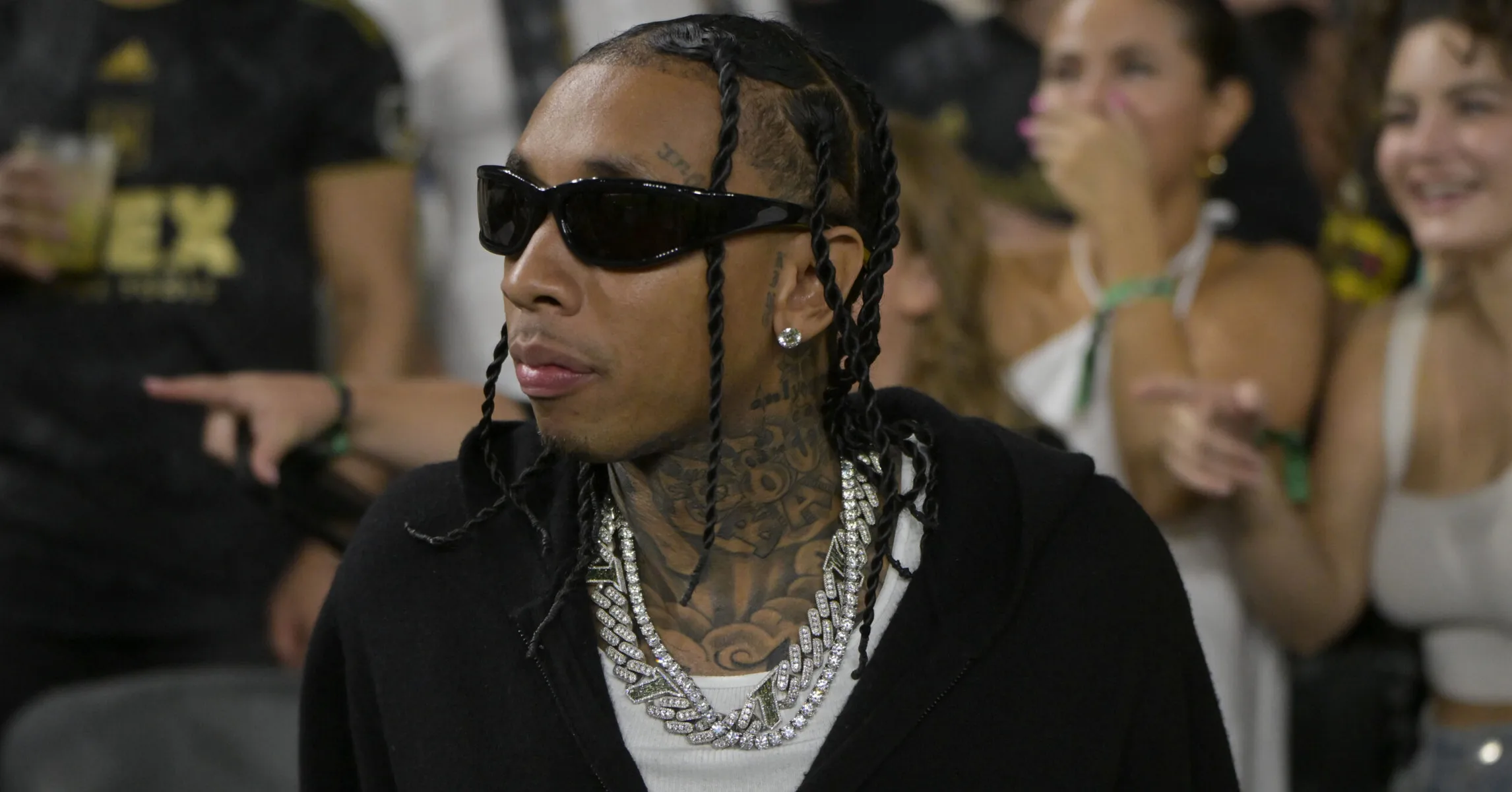
Producer Medasin says a detection model flagged '$TARFACE' cut 'AFFECTION' as 'likely AI.' Tyga's camp hasn't responded.
CD Projekt says there's no more DLC or expansions coming for Cyberpunk 2077. The story's finished, the team's on the sequel, and one last free update was the send-off.
The AJ3 that rescued Jordan Brand gets a grown, obsidian-leaning women's makeup for August 15.

A hoax 911 call sent deputies to Blueface's home mid-stream. He was detained, then released - no one was hurt.
A chalk-white AJ3 with true blue, kinetic green and track red hits grade-school sizing August 8 at $155.

A 1:1 retro of 50 Cent's 2003 Reebok sneaker lands August 20 — and rap's most reliable feud fired right back up.

Fresh illustrations, a Tokyo museum takeover, and a portfolio flex from anime's most talked-about studio.
IO2053-300 drops August 15 for $355 — 2,300 numbered pairs, wax seal and all.
Ye announced his first-ever Indonesia concert, the only Southeast Asia stop on the Bully tour, set for Jakarta on October 24 with the spinning globe stage.
The 'Tarnished Edition' bundles the base game, Shadow of the Erdtree, and new classes for Switch 2 at $79.99 — with the extras sold as cheap DLC elsewhere.

HQ6998-100 lands August 1 for $145 in full family sizing.
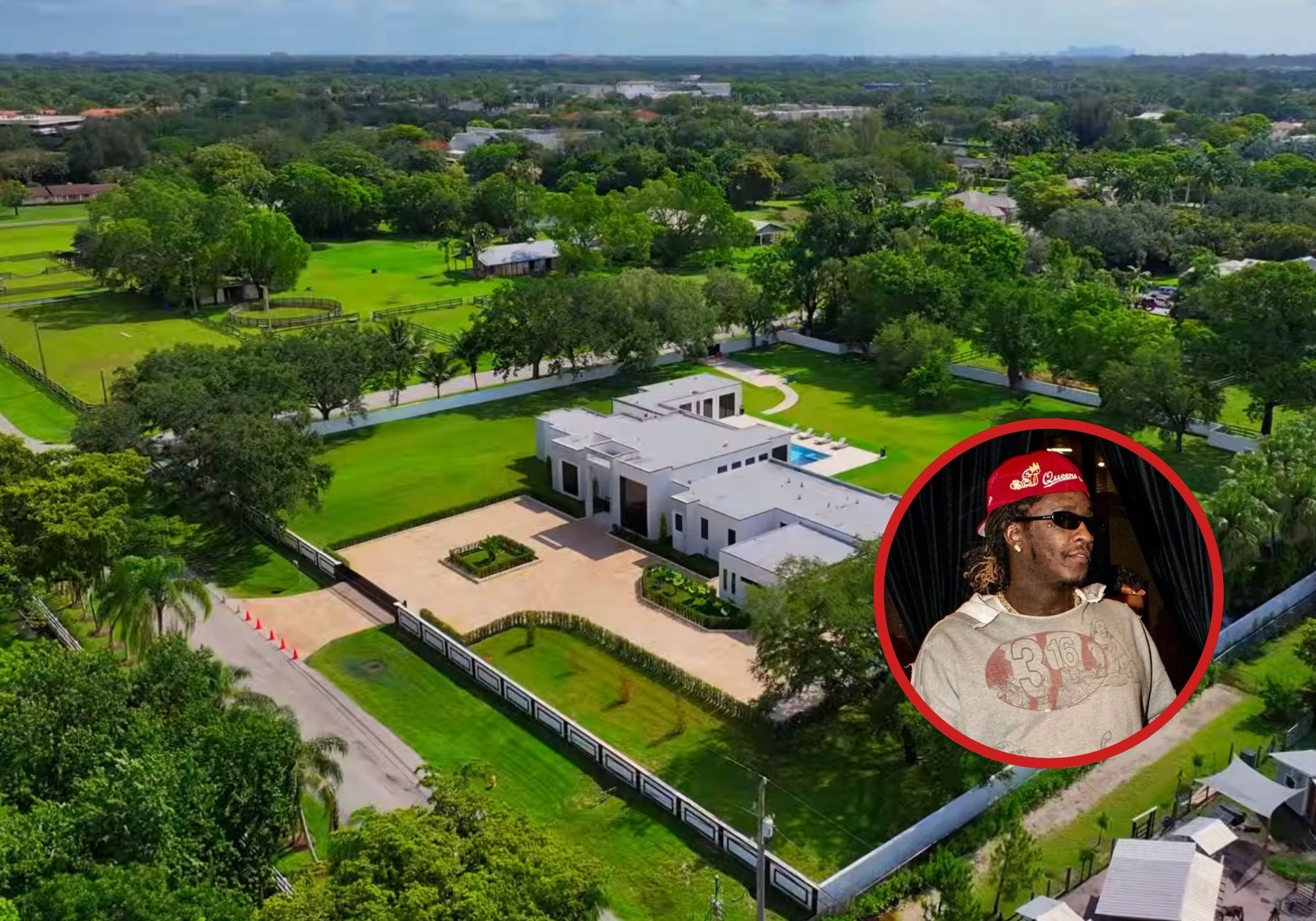
A 7-bed, two-acre Cooper City estate - bought outright - marks Young Thug's post-trial Florida reinvention.
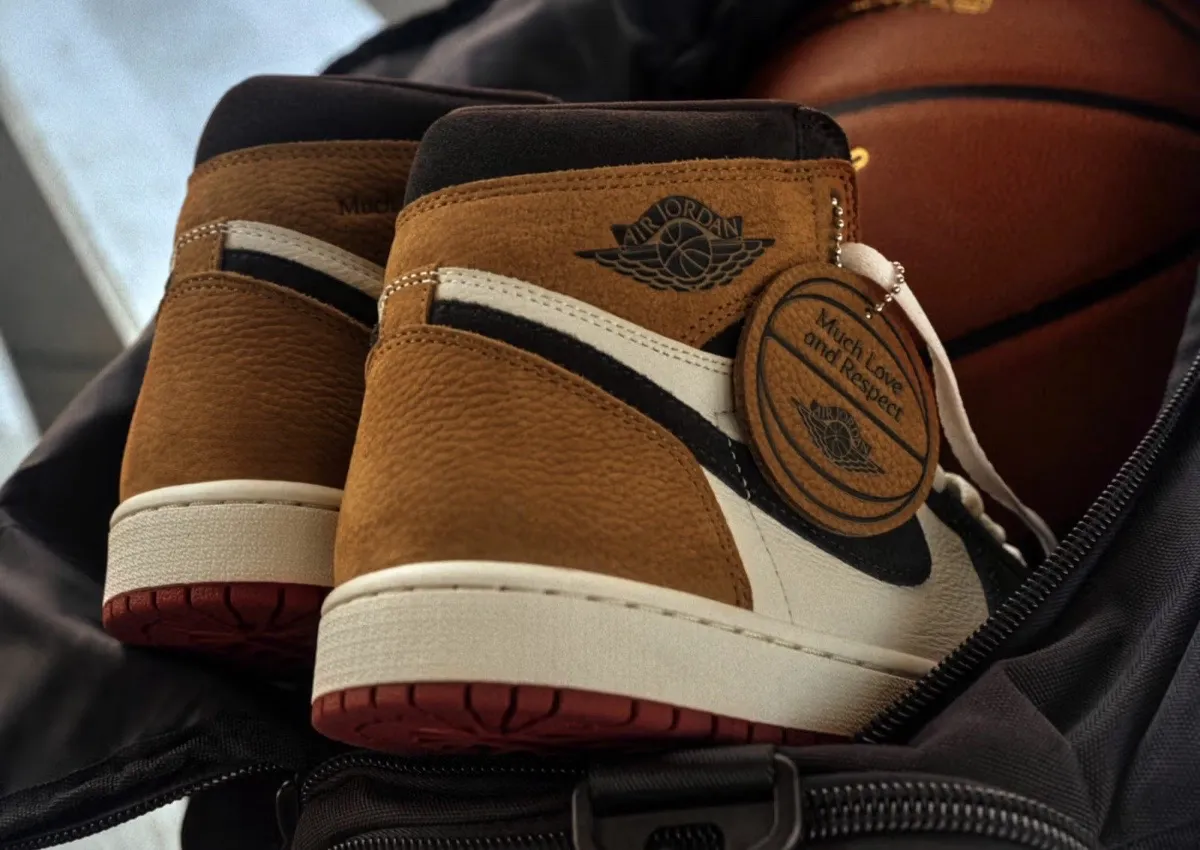
An AJ1 High OG built around Jordan's 2003 open letter to basketball — aged-ball browns, a hidden message, out August 1 for $185.
The Bully tour isn't a concert, it's a planetarium. Ye's 50-foot globe stage drew about 118,000 people in Istanbul.
Chainsaw Man Season 2 is set to premiere October 15, 2026, with MAPPA back to adapt the next brutal stretch of Tatsuki Fujimoto's manga.
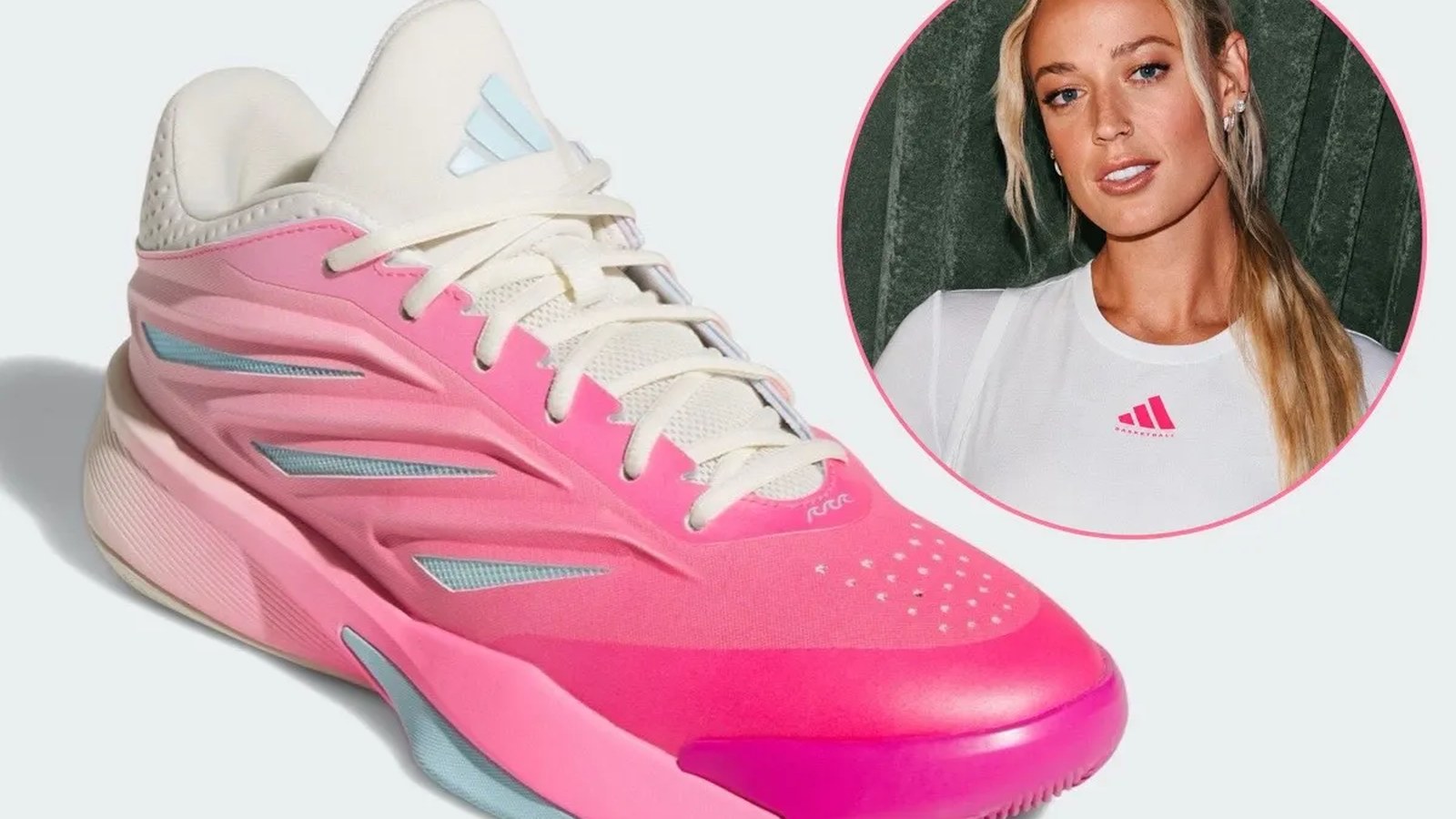
The pink Crazy Energy PE moved off adidas.com almost instantly — the loudest moment yet in the 2026 WNBA sneaker wave.
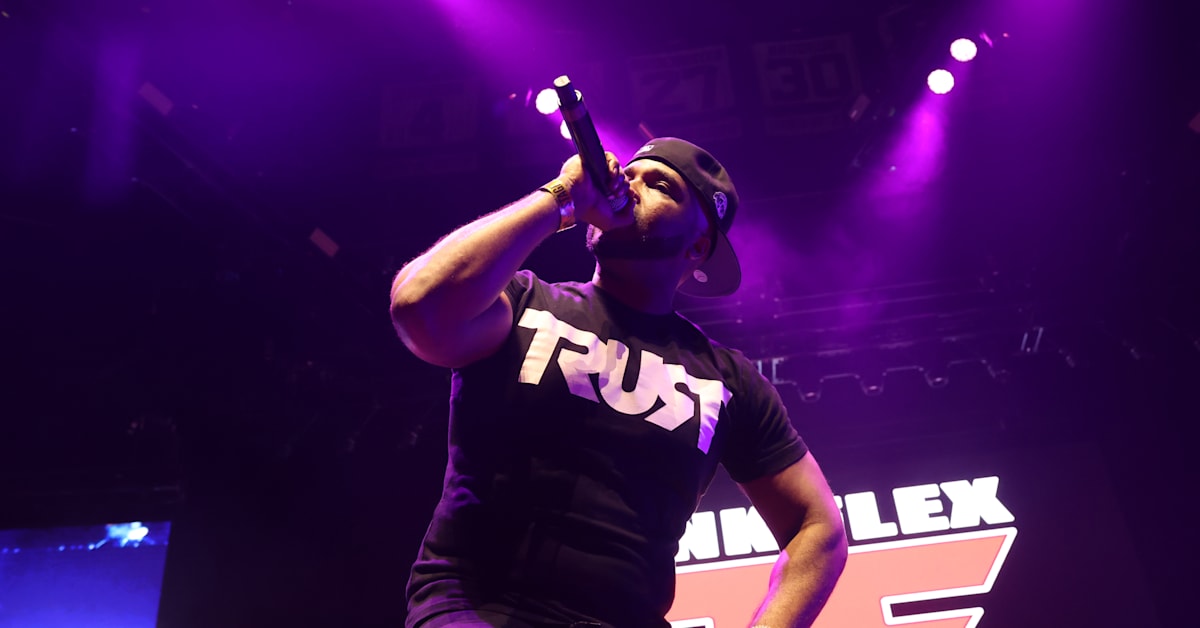
38 Spesh premiered an AraabMUZIK-produced diss aimed at Jim Jones, Fat Joe and Jadakiss - live at the Prudential Center.
GTA VI is locked for November 19, Take-Two's earnings call hits August 7, and the internet is bracing for Trailer 3 and the first real gameplay.
A federal indictment says Nike employees ran product out the back of the Memphis warehouse with fake UPS labels — straight to resellers.

Universal dates 'Snoop' for August 6, 2027 - Jonathan Daviss stars, Craig Brewer directs, Death Row Pictures leads.
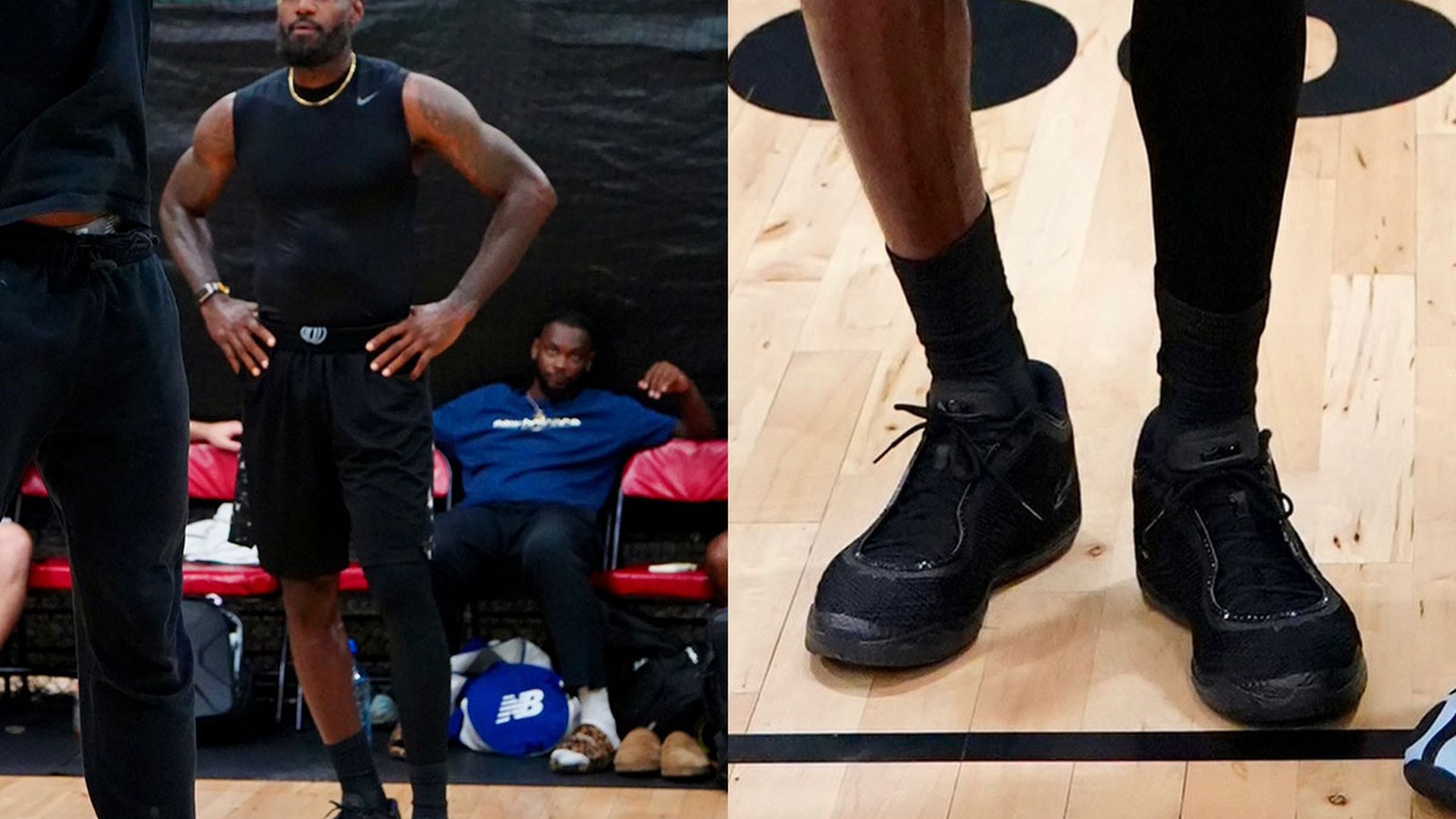
LeBron James teased an all-black LeBron 24 on Instagram, weeks after signing a two-year deal with the Philadelphia 76ers. The signature line keeps going.
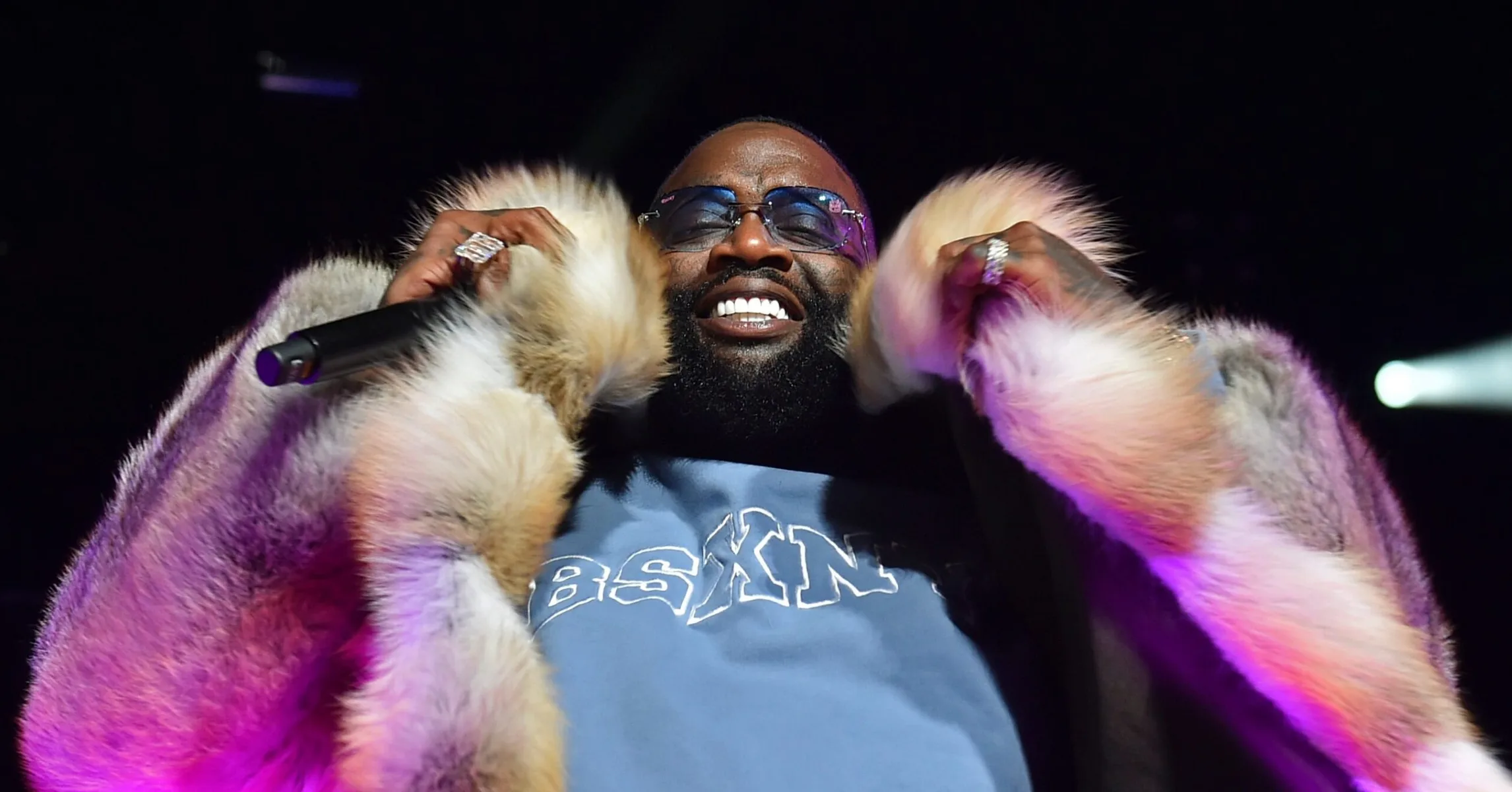
Ross' 12th album opens at No. 45 with 17K units. 50 Cent threw a party. Rozay called it 'propaganda.'
The isekai heavyweight starts its fourth season August 12, picking up the heavier run Season 3 set in motion.
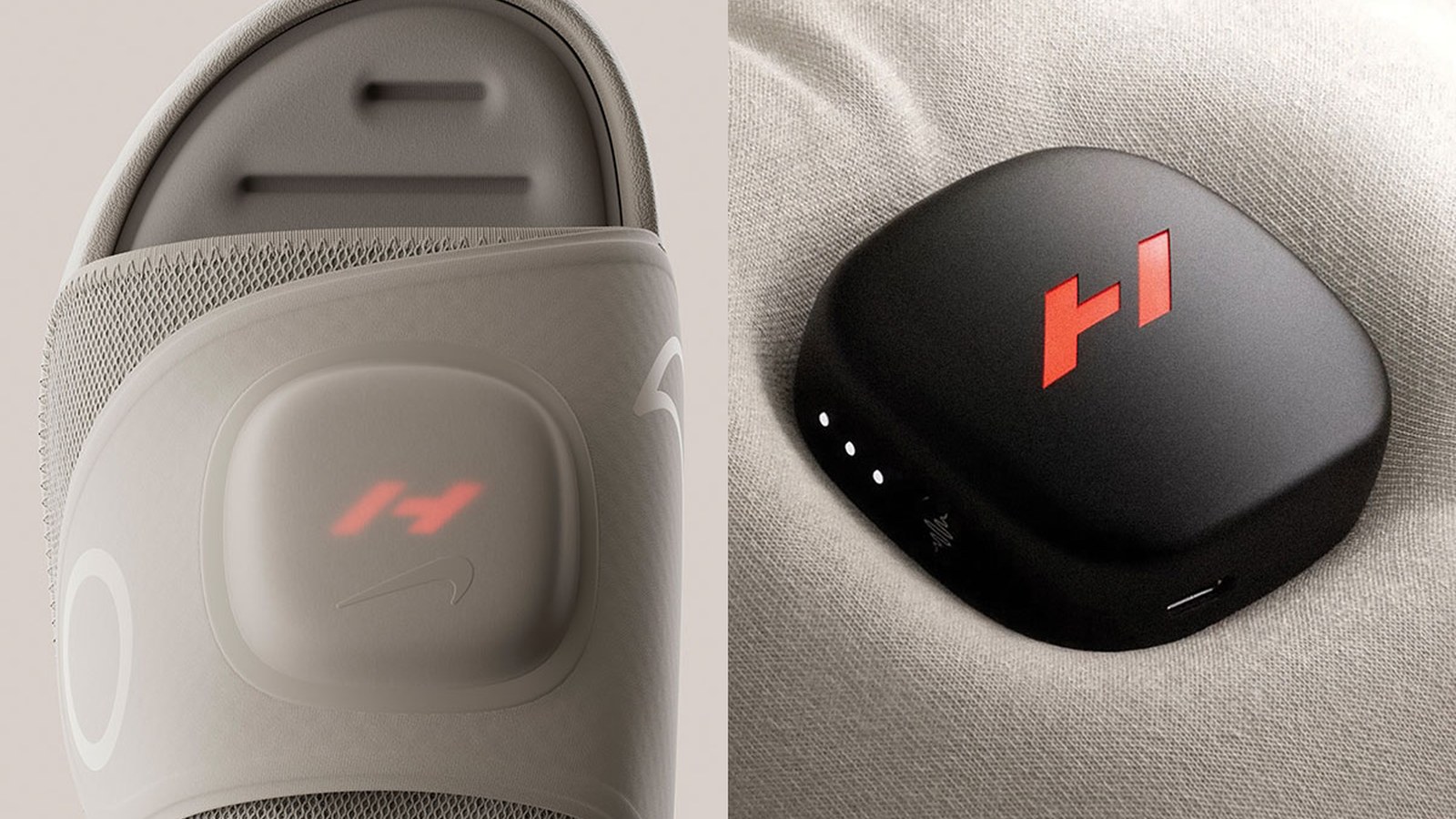
Nike and Hyperice's Air Zoom Hyperslide packs 117°F targeted heat and vibration into a $250 slip-on — the first battery-powered Nike that solves a real problem instead of showing off.

Doja Cat named Latto special guest for the North American leg of Tour Ma Vie - 31 cities, Detroit to the Garden.
The sequel officially dropped its 'Project Orion' codename, and the director just confirmed the whole game stays first-person, with no third-person cinematic cutscenes.
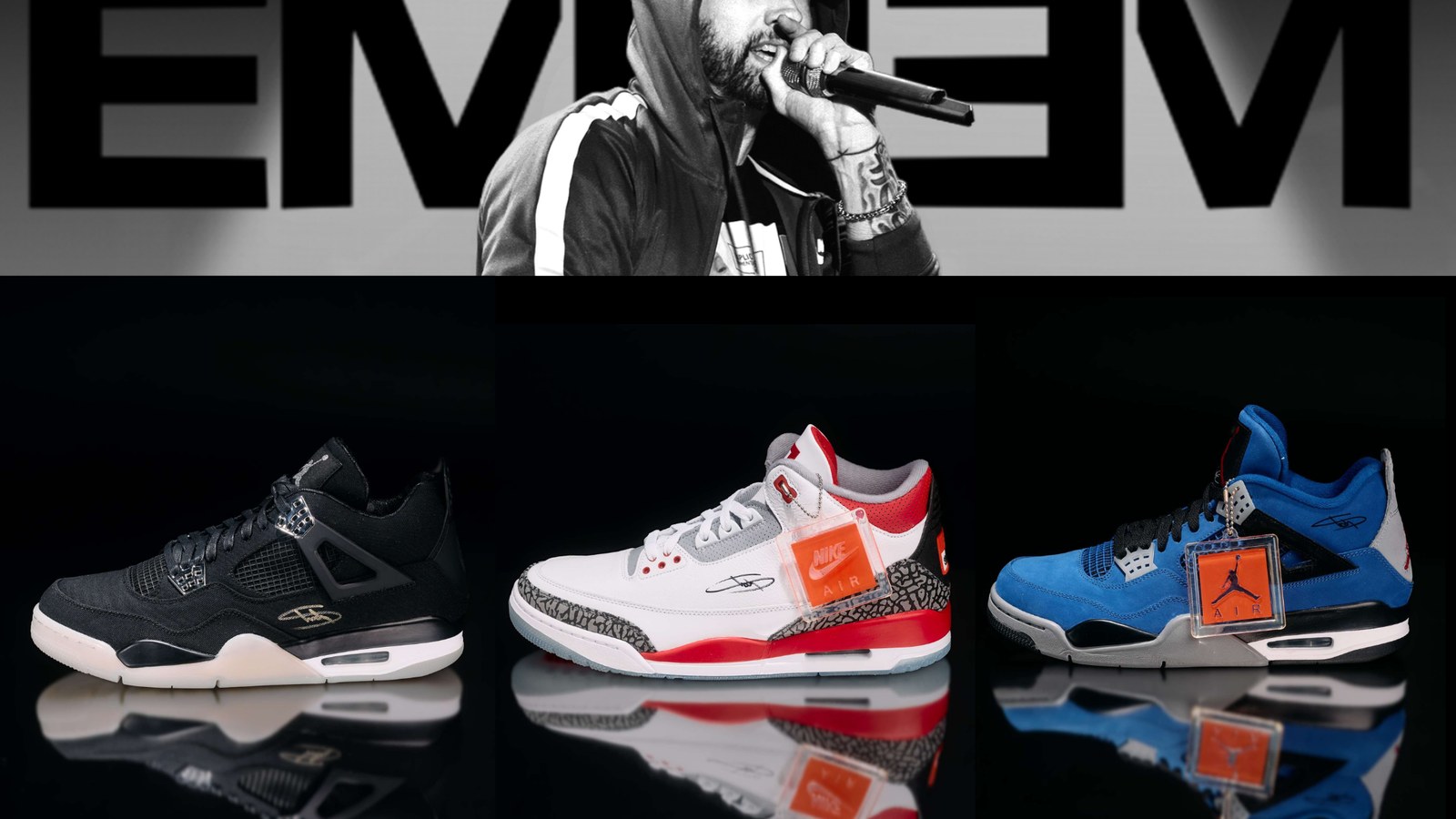
Over 100 hand-signed pairs — Jordan grails included — hit Julien's for the Marshall Mathers Foundation. Bidding is open now through August 25.
Ye ran the Bully tour through Madrid's Estadio Metropolitano on July 30 - his only Spain stop - and now the run turns back toward the U.S. stadium dates.
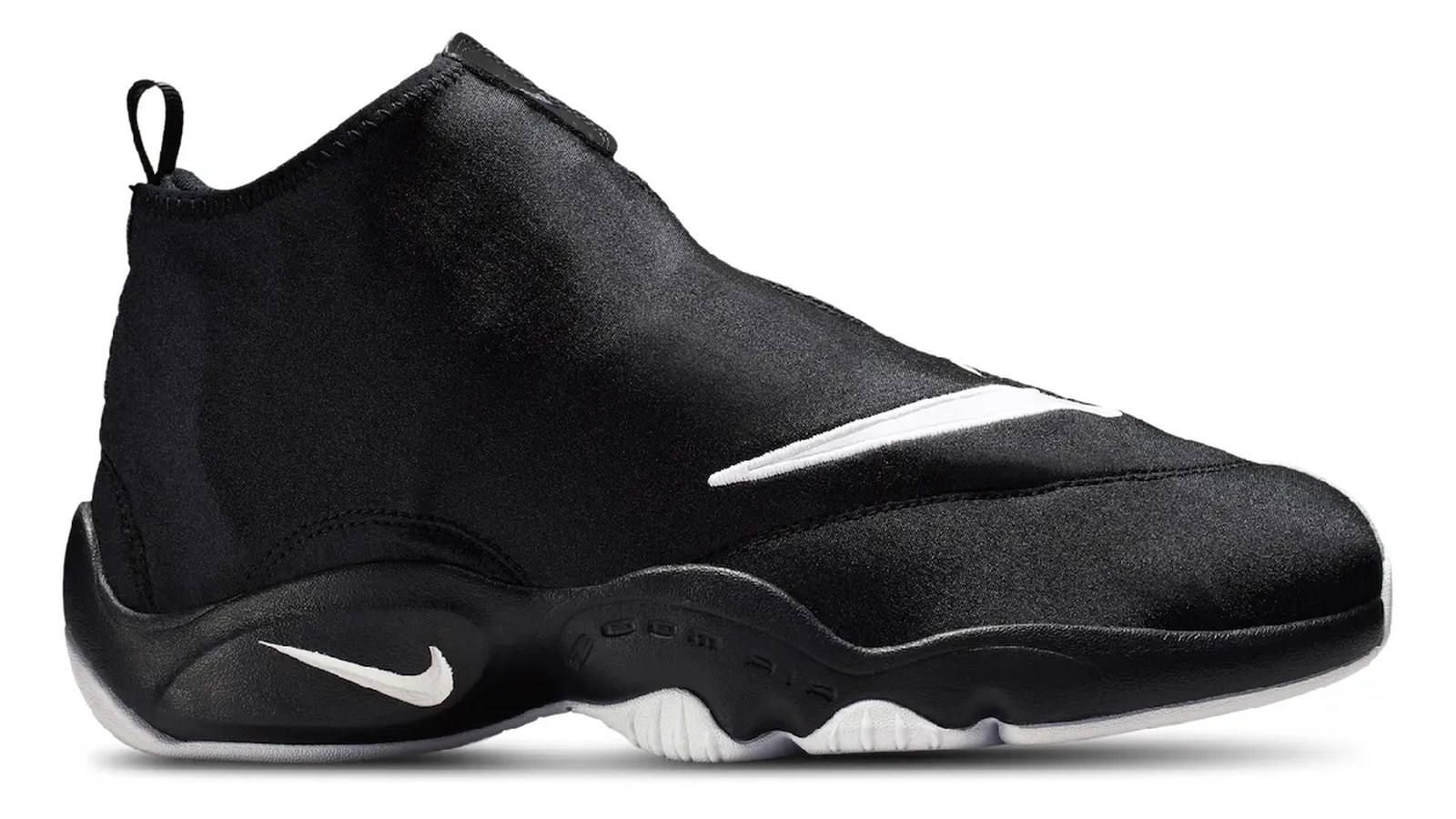
GP's 1998 signature returns in OG form Friday — neoprene shroud, carbon plate, and the zip-up detail that made it a '90s grail.

50 says the Street Fighter theme puts Eminem next to unreleased 2Pac vocals - vault material, not AI, estate-approved.
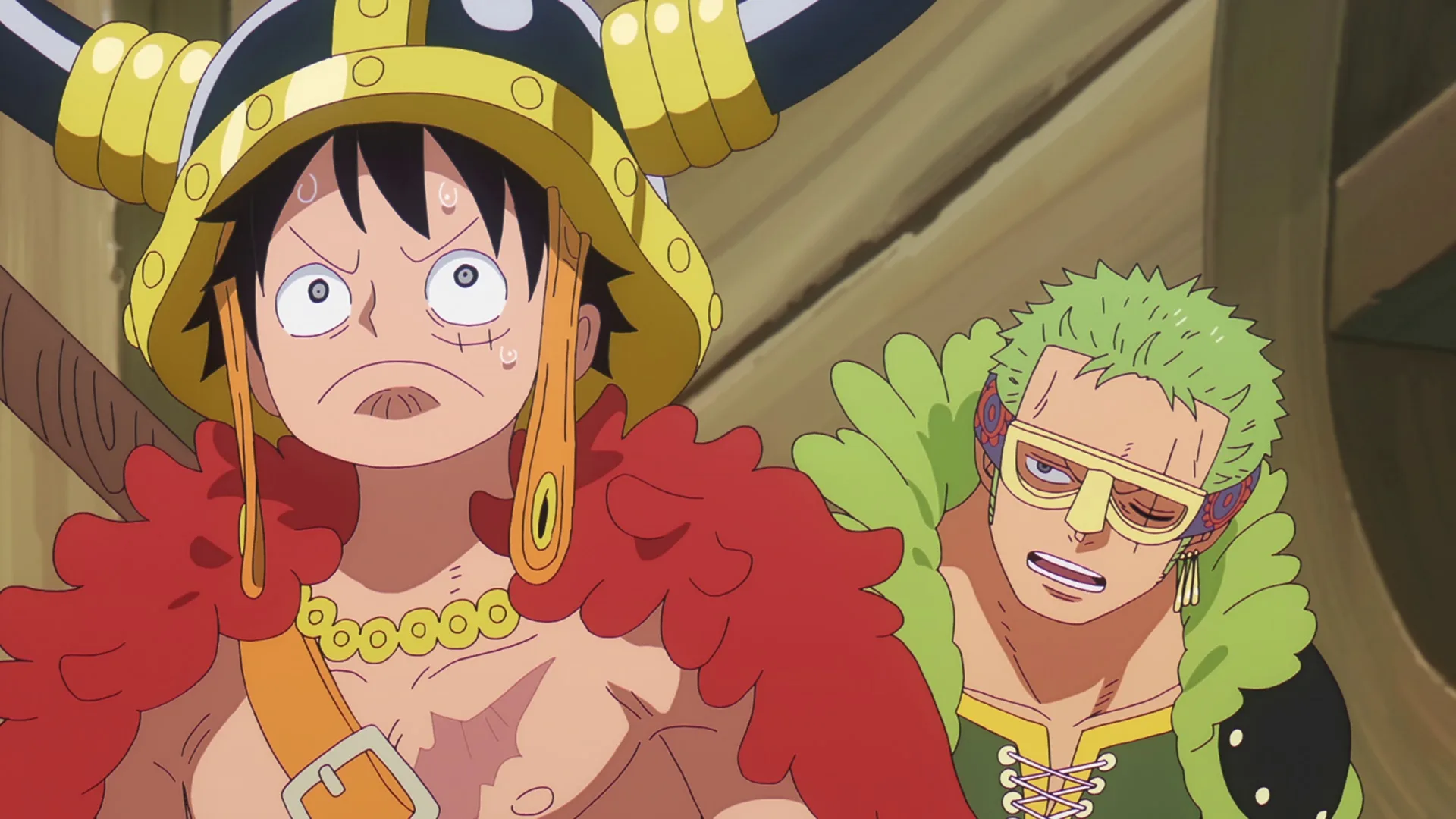
Crunchyroll confirmed the Land of Giants arc gets an English dub in fall 2026 — the Straw Hats' next chapter, for the folks who ride without subs.
The Air Jordan 7 “Tennis Day” drops September 9 at $215 (IV6508-030) — a neon ’90s upper lifted straight off Tinker Hatfield’s Agassi tennis shoe, wearing it on the 7 like it was always basketball.

The Real Me opens at No. 1 with 131K units, giving Future the third-most No. 1 albums of any rapper ever.
Cyberpunk 2077 has sold 40 million copies worldwide, closing the gap on The Witcher 3, with the Switch 2 and Ultimate Edition pushing a comeback CD Projekt still won't call finished.
The women’s Air Jordan 3 “Fireside” lands October 3 at $205 (CK9246-200) — Velvet Brown over Pearl White on a gum sole, the AJ3 dressed for fall instead of palette-swapped into it.
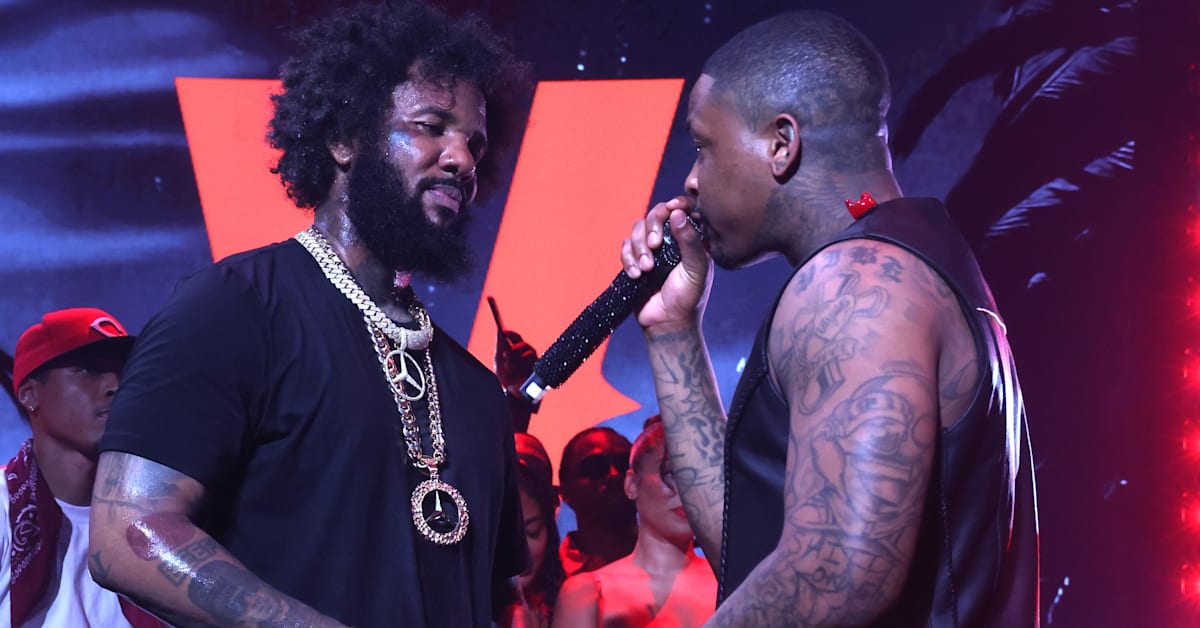
After their 'Compton Forever' Verzuz, The Game confirms YG features on The Documentary 3 - 22 years after the original.
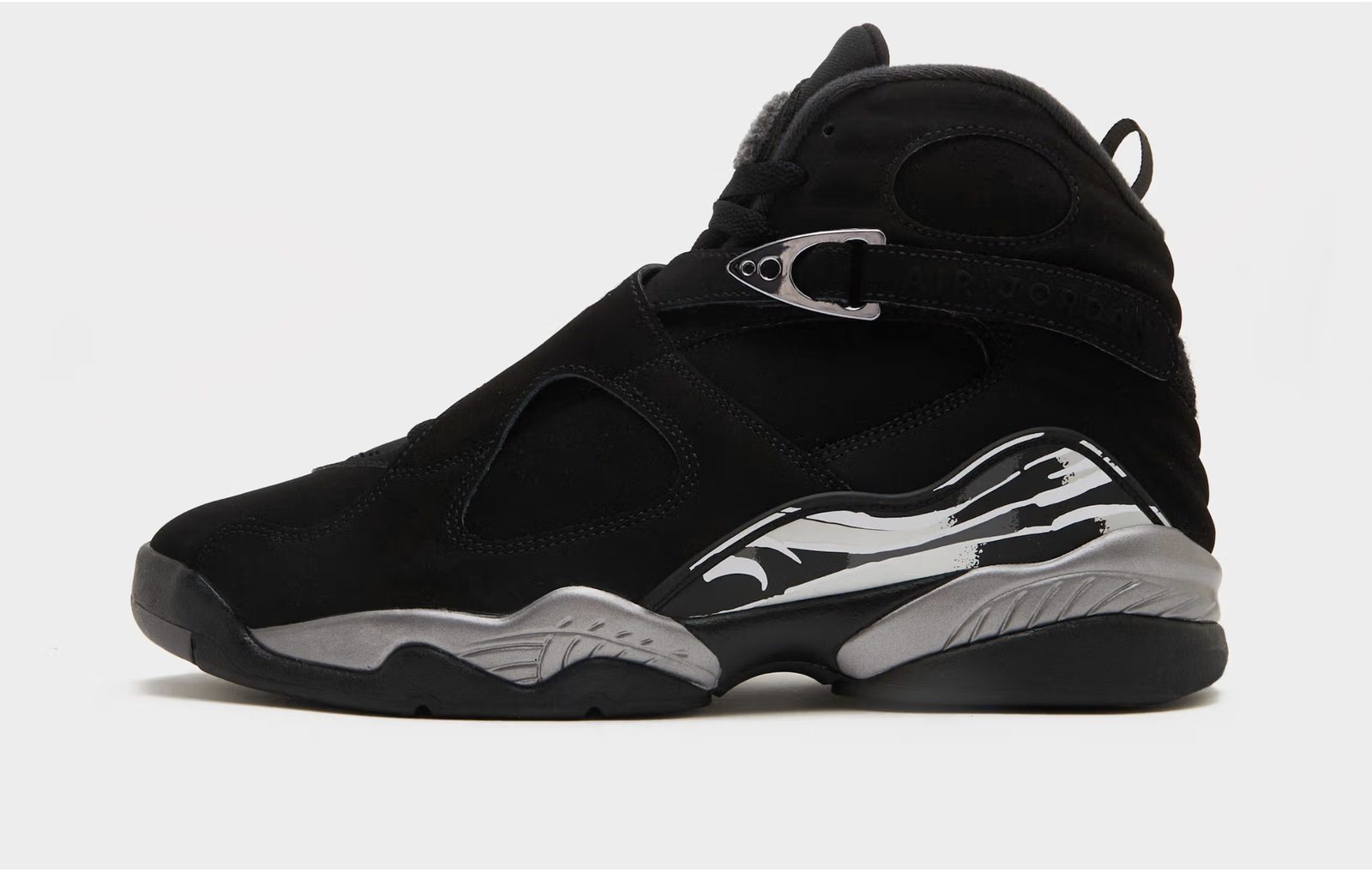
The Air Jordan 8 Chrome returns September 12 after a decade gone — a 2003 colorway whose biggest moment came on Kobe's feet, not Mike's.
The Bully run adds Caesars Superdome on August 28 - one of the biggest rooms in the country, on U.S. soil.

Aliens, yokai, romance, and a Creepy Nuts opening that slaps — here's why this is the weekly anime your whole feed can't shut up about.
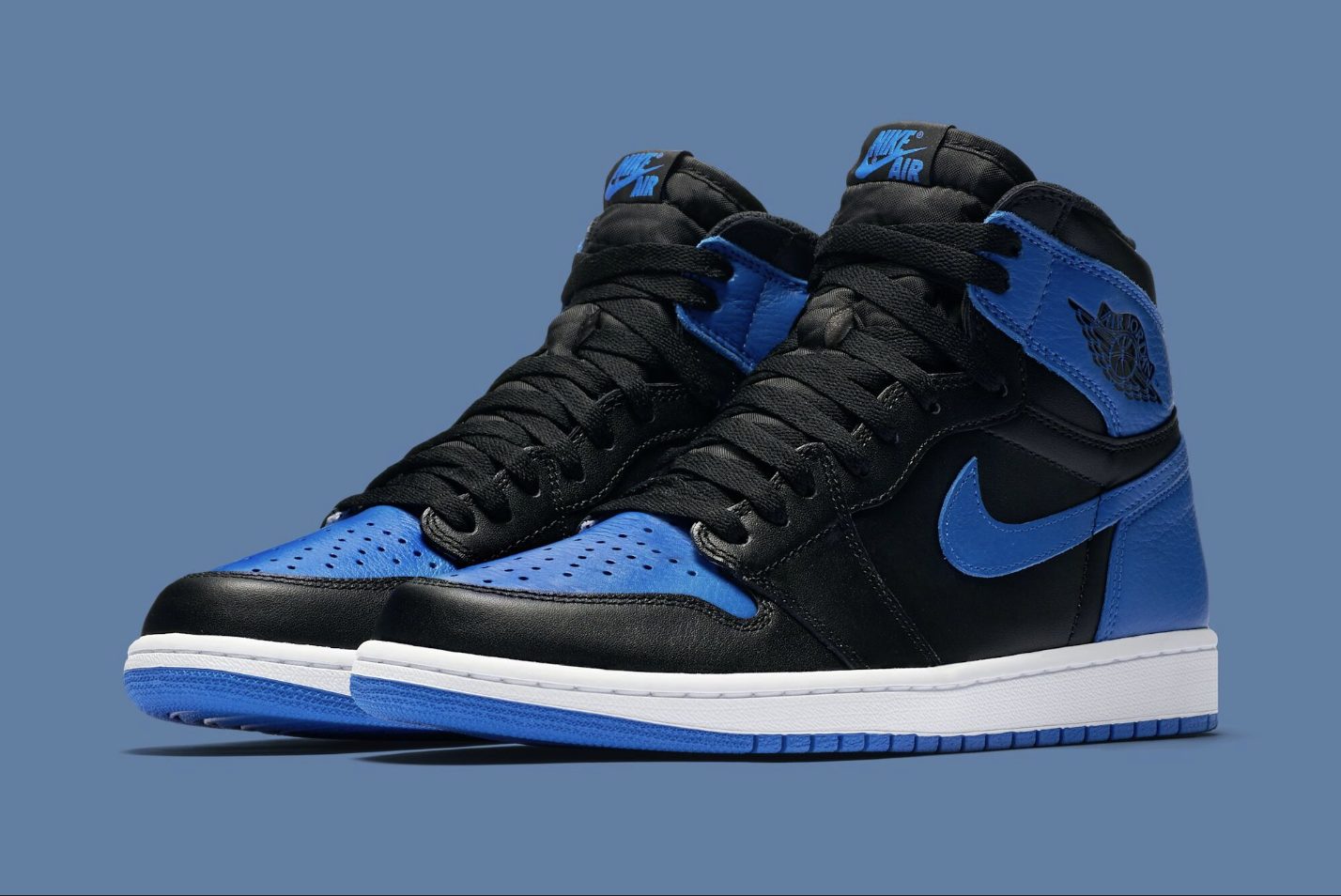
The black-and-royal AJ1 High comes back October 10 in standard OG cut — the first leather Royal in nine years and only the fourth ever.
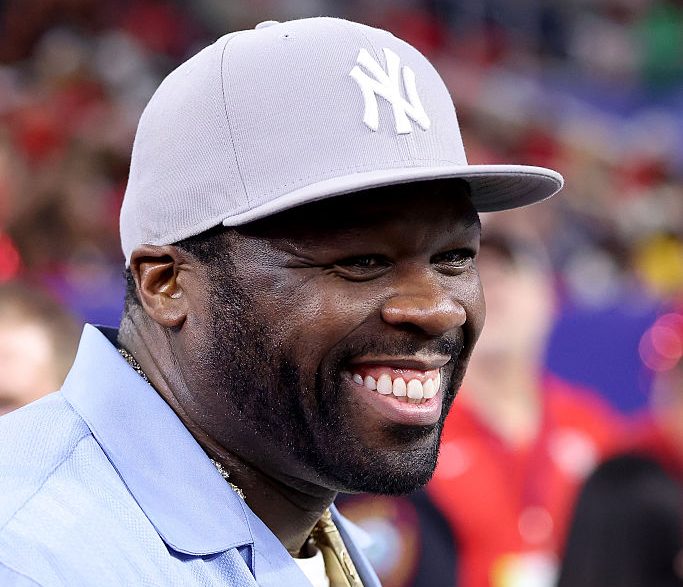
At LIV Beach in Vegas on July 25, 50 Cent worked Diddy's reported prison fight into his set — the latest jab in a 20-year feud.
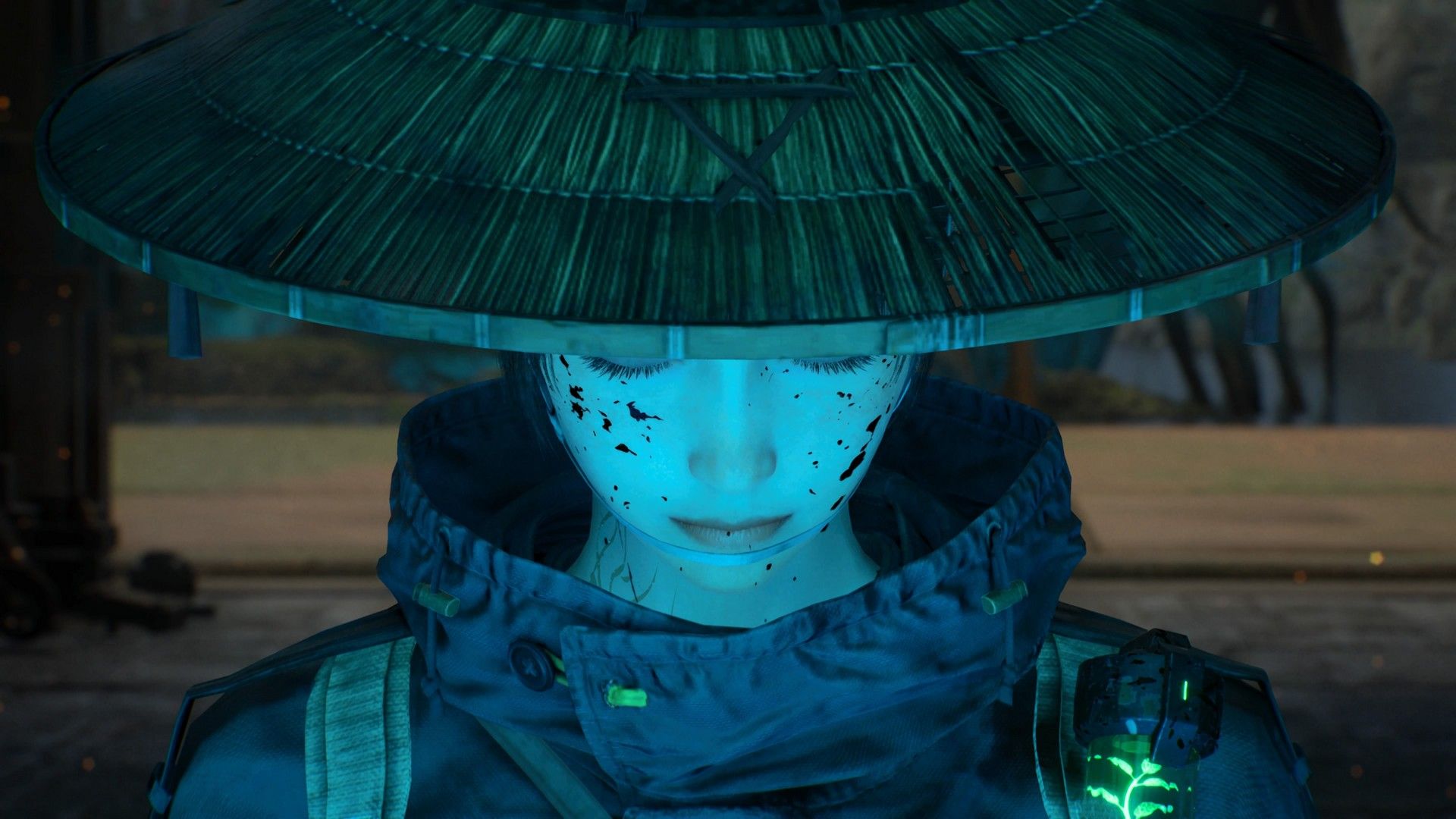
The Pokemon studio's grim sci-fi action-RPG landed August 4 to strong combat marks and mixed world reviews.
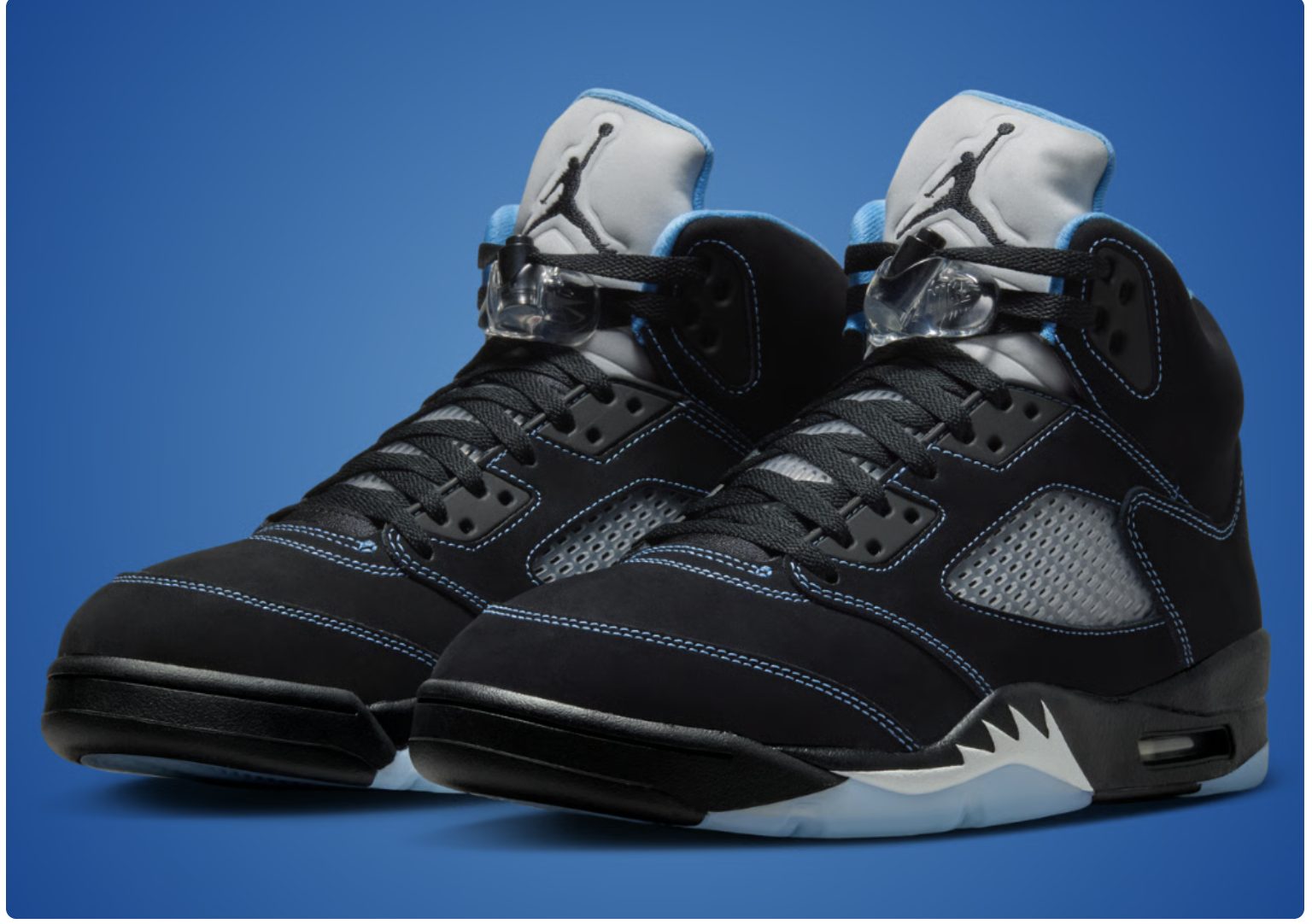
The Air Jordan 5 "Black/University Blue" returned June 20, 2026 at $220, the first time this Chapel Hill nod has surfaced in roughly two decades.
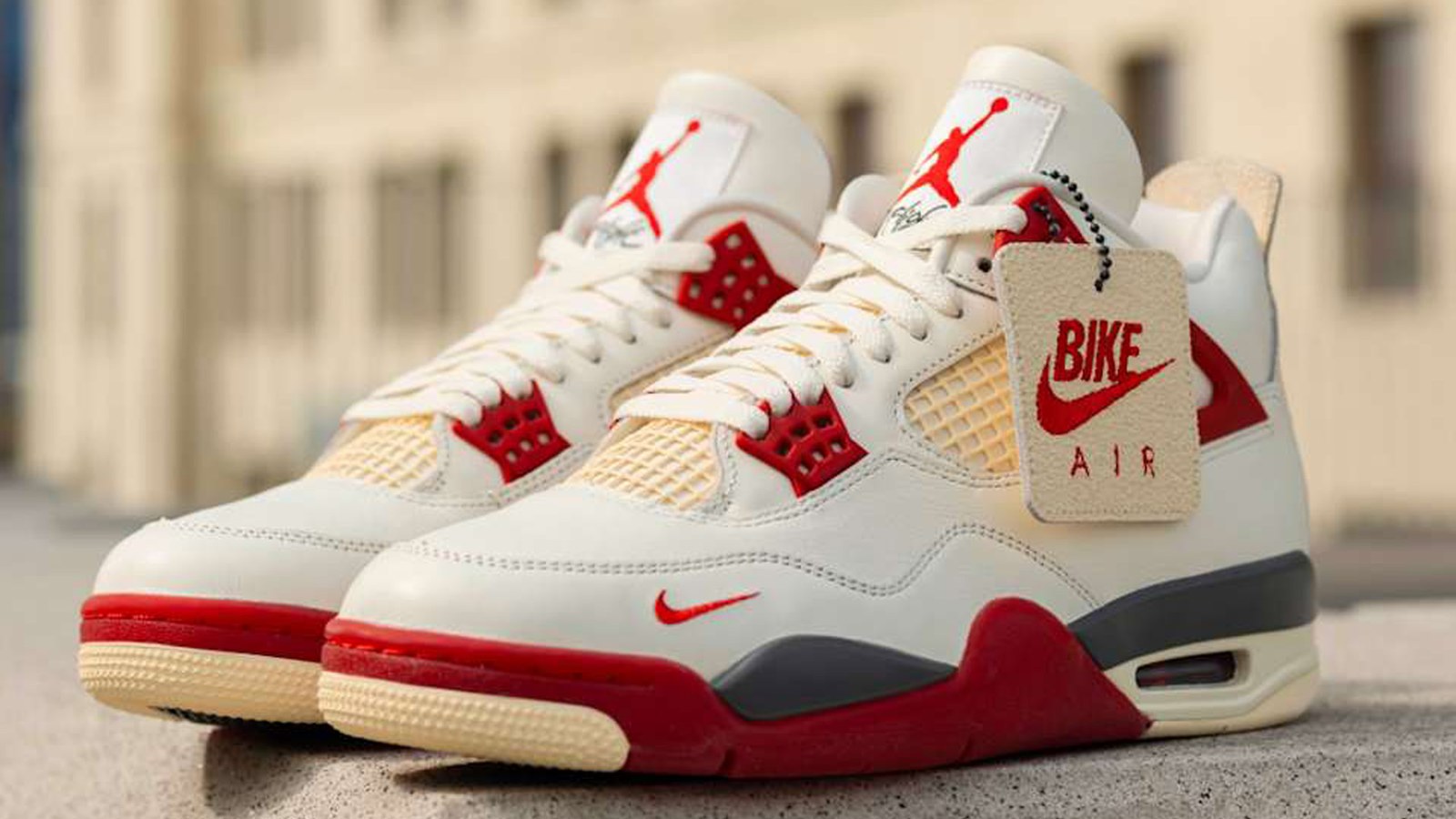
Stove God Cooks and Chello over Conductor Williams — the official record for Nigel Sylvester's Air Jordan 4. The sneaker and the song are the same story.
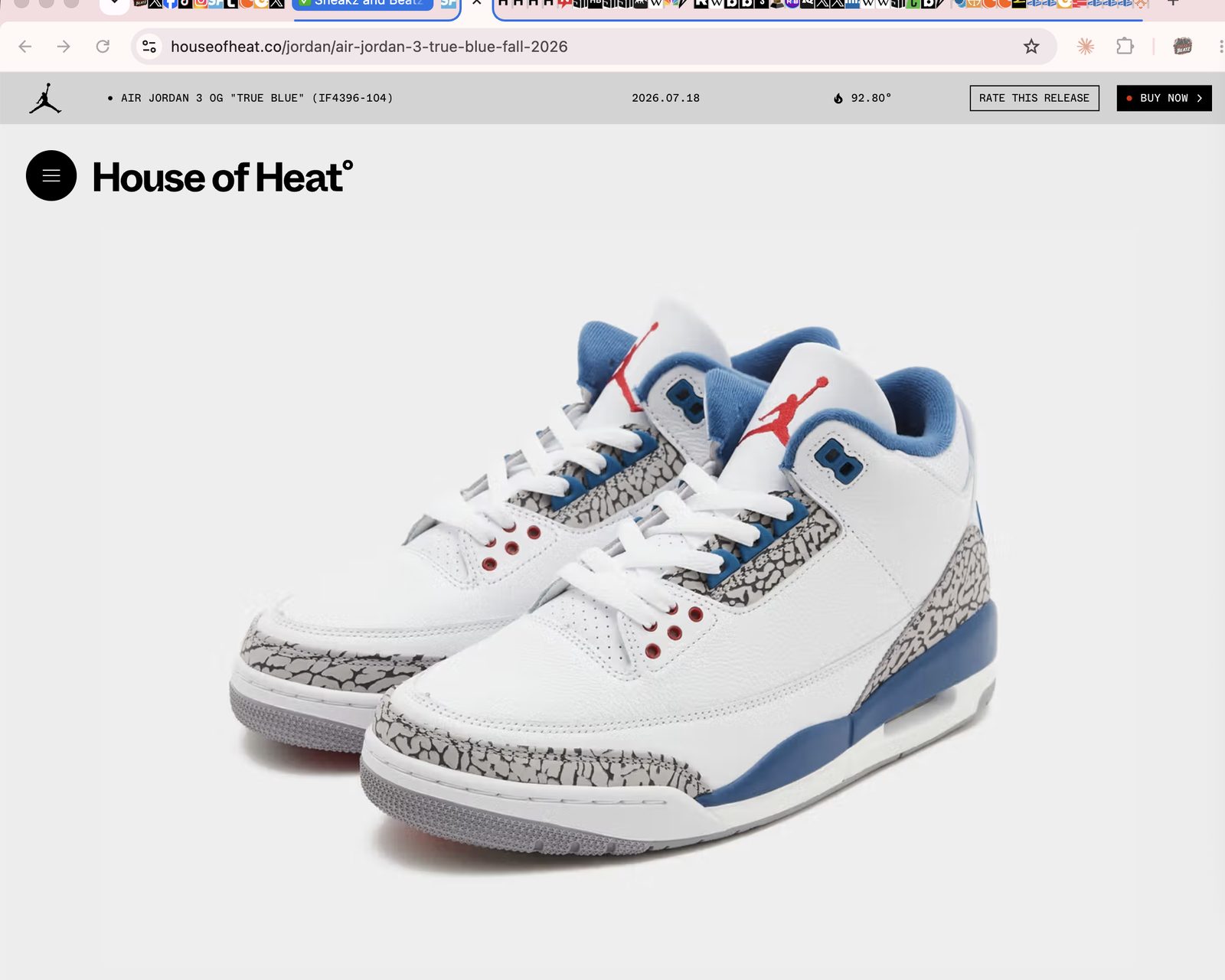
One of the four original 1988 colorways, and the only AJ3 that ever left Bulls colors. OG spec, $230, dropping July 18.
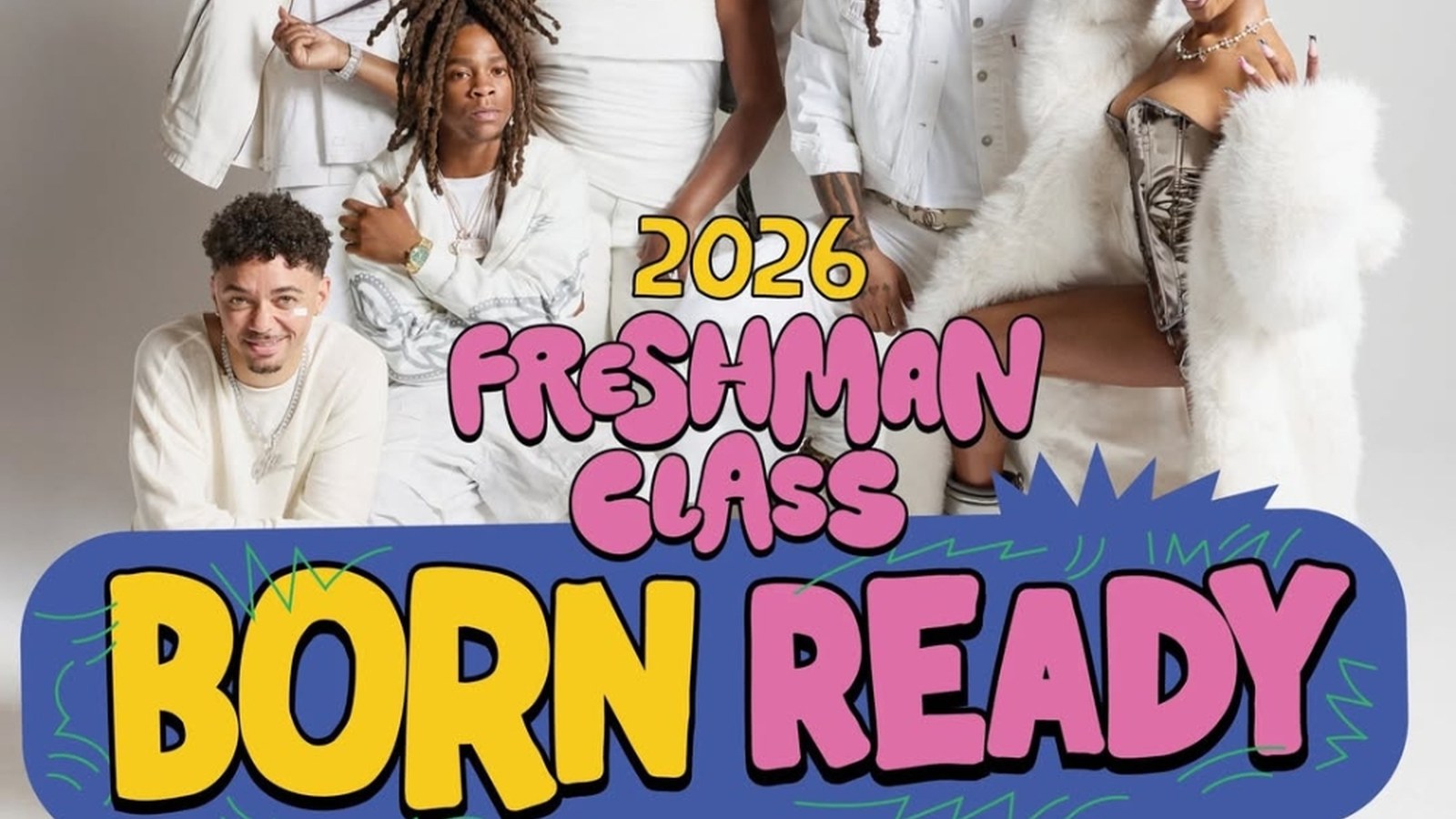
SLAYR, Chris Patrick, SoSoCamo, LA Reezy, Hurricane Wisdom and Miles Minnick spit over DJ Drama — the cypher already past 2M views.
The 2nd Stage of JoJo Part 7 hits Netflix September 25 - weekly episodes for the part fans call the best JoJo ever drawn.
A soft, layered palette takes over the most important silhouette in the game. July 2, $185.
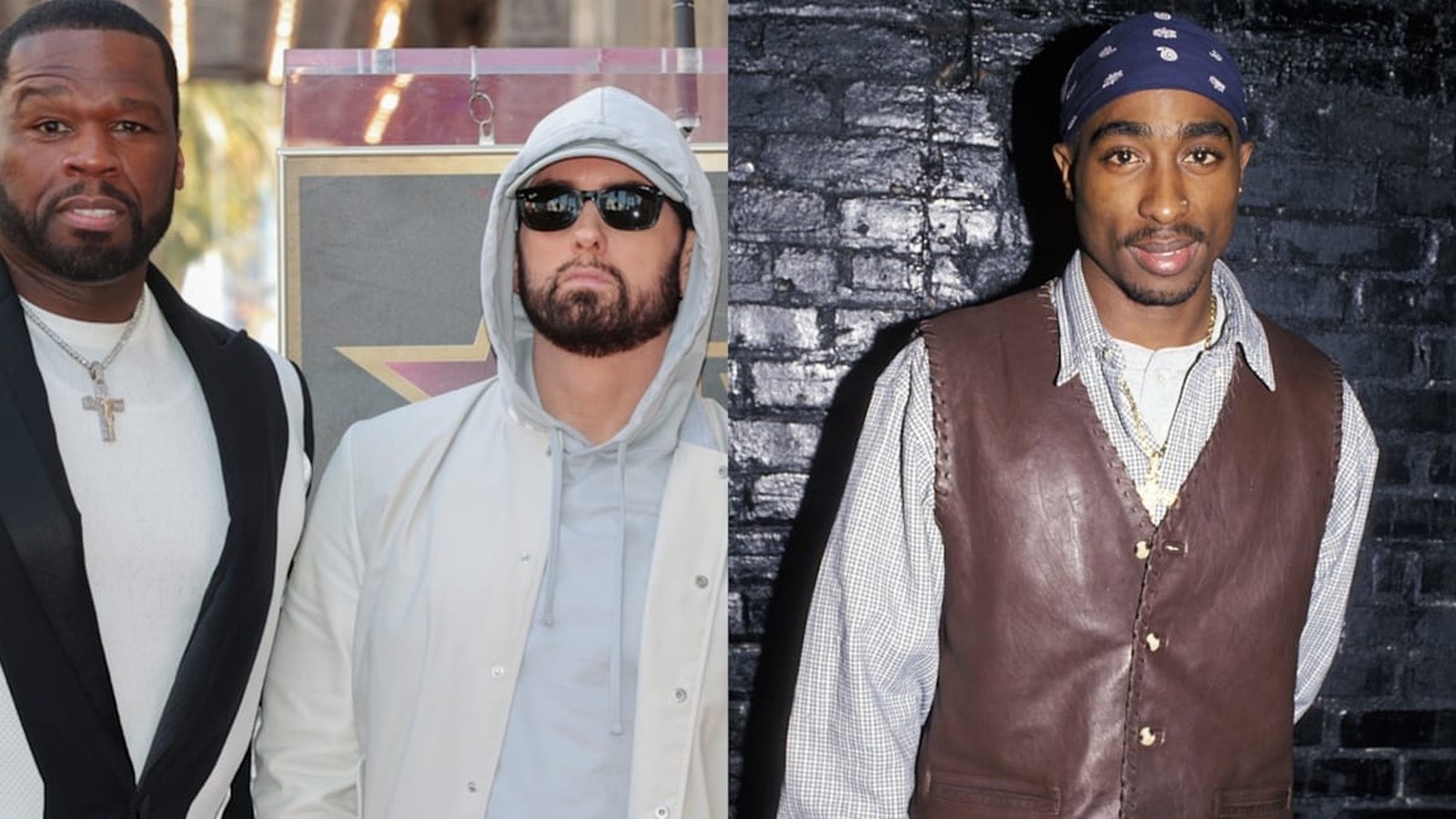
50 assembled a Street Fighter theme around a real vault 2Pac verse and an Eminem feature. The most improbable posse cut in years.
Sucker Punch's samurai open-world sequel drops October 2, 2026, and it went into launch as the most pre-ordered game of the year across the US, Japan, Europe and the UK.
Warm gradient energy on the 5 to kick off July. Women's sizing, $215.
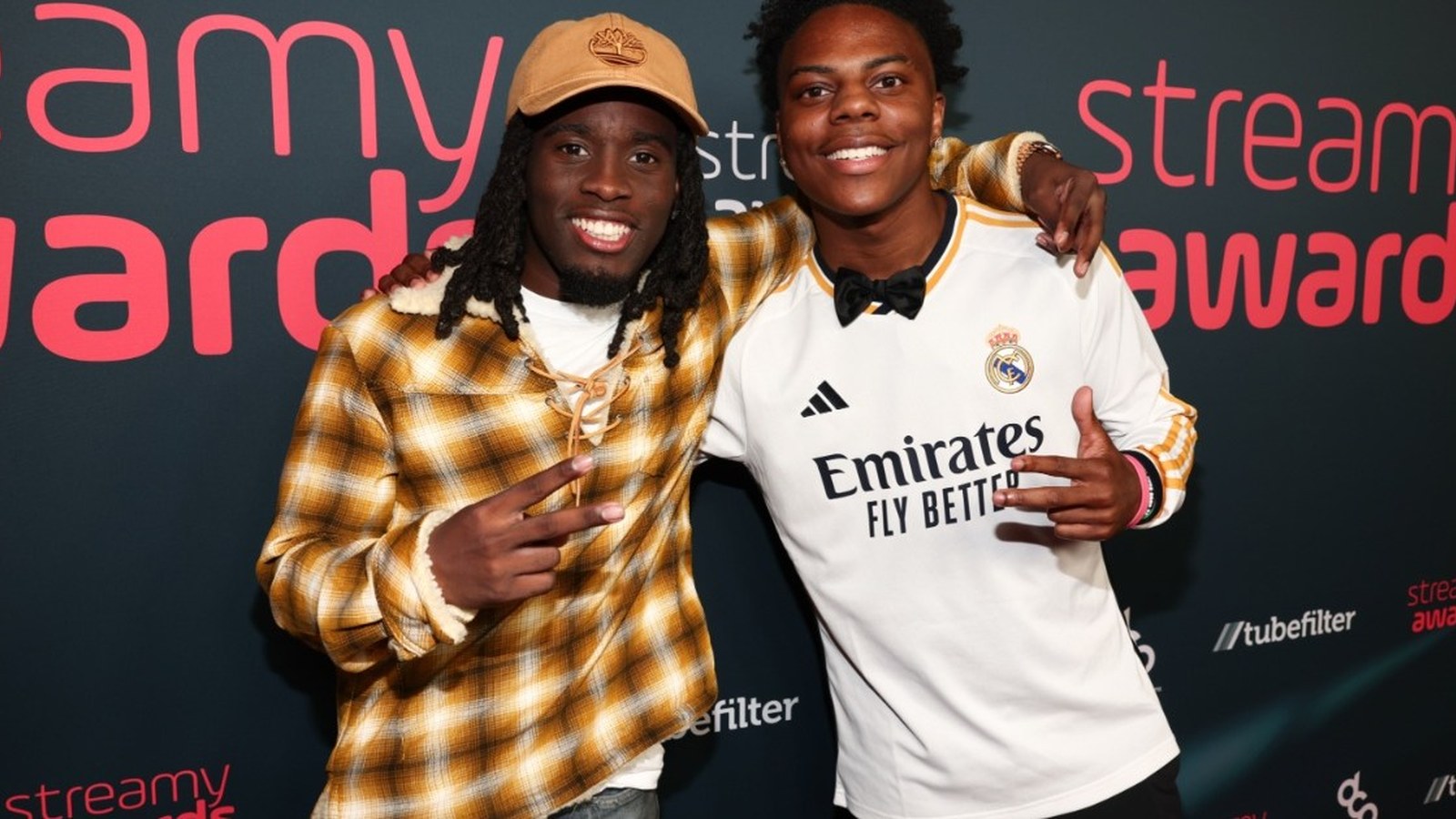
Two of the biggest names in streaming turned a bit into a timeline-owning event — and teased another marathon.
White and black, $215, August 8 - a clean-canon 6 that leads the next wave of Jordan retros.
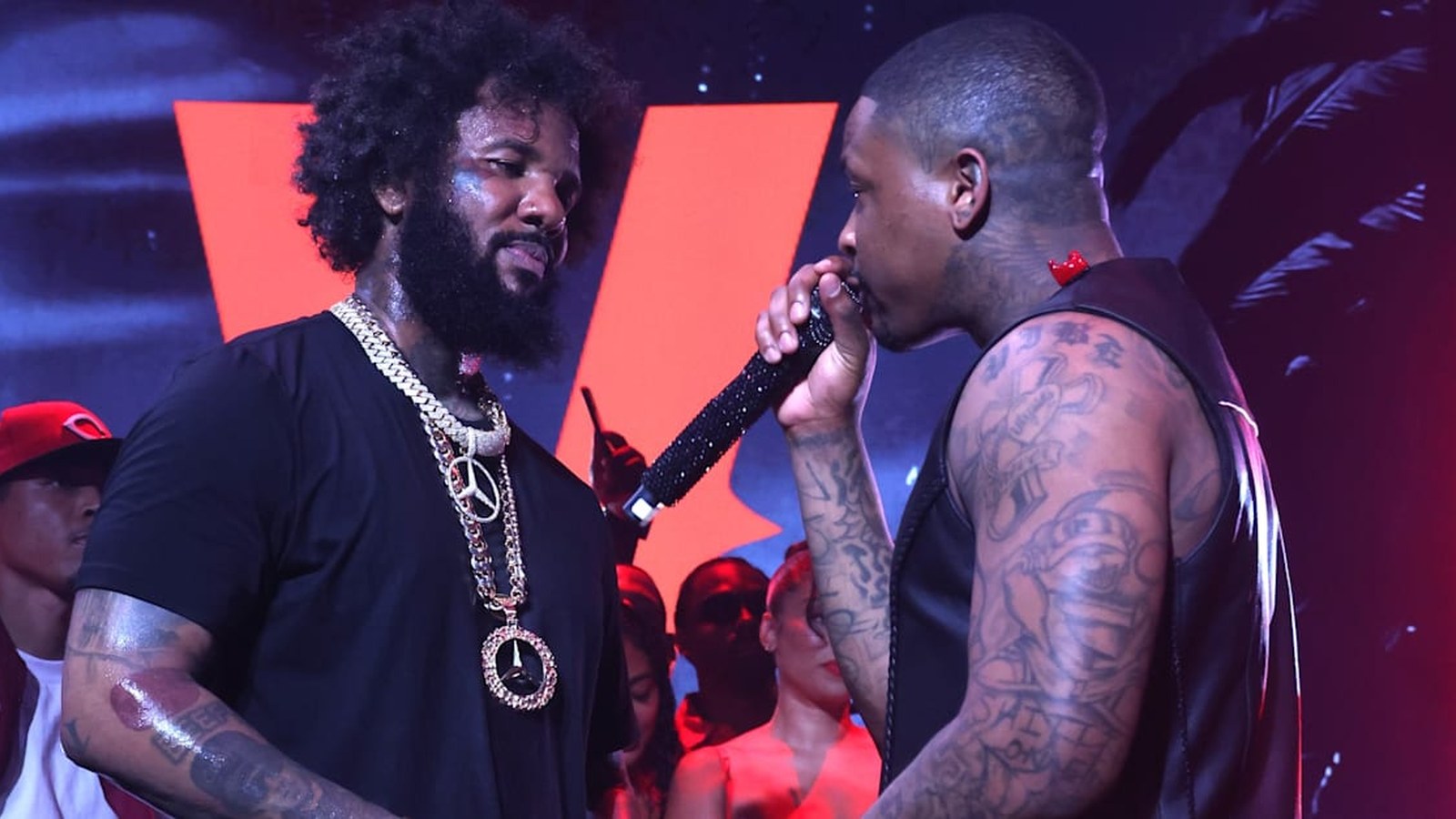
A West Coast Verzuz turned into a celebration — Travis Barker popped out, and a Documentary 3 team-up got born.

BONES FILM teased Season 2 of the most streetwear-coded shonen going — new footage, new Enjin and Zanka art, graffiti all over it.
Phantom and University Red with laser-etched detailing, August 22 - paired with an AJ1 Low 'Laser' the same day.
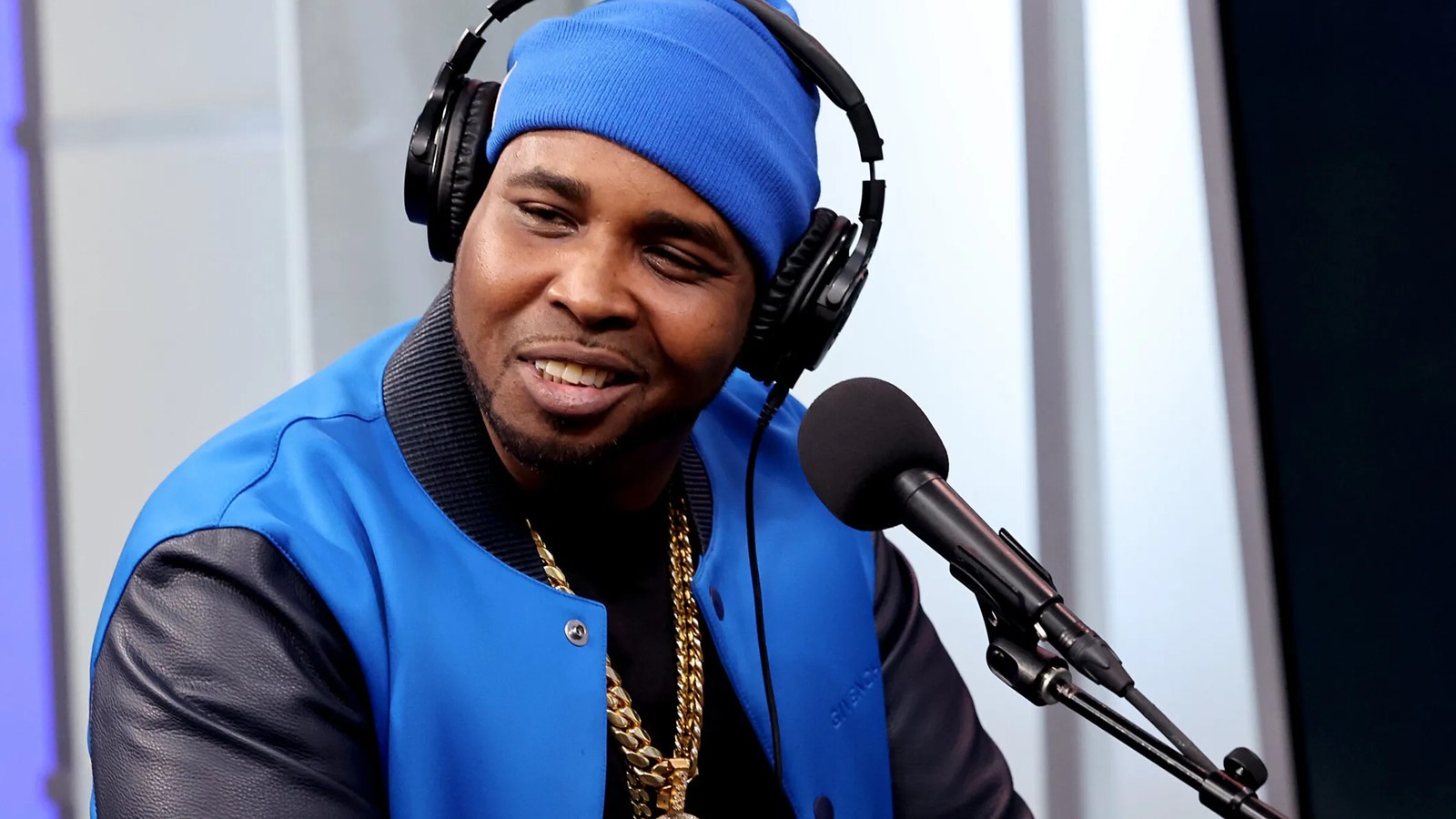
Spesh walked onto the Summer Jam stage and fired at Jim Jones, Fat Joe and Jadakiss at once. Bars-first New York beef is back.
CD Projekt is stacking Project Orion, the Cyberpunk 2077 follow-up, with high-caliber hires as the studio closes the book on the V era.
Premium materials, premium price - the Air Jordan 8 'Bin 23' arrives August 15 in a deep Legion Pine.
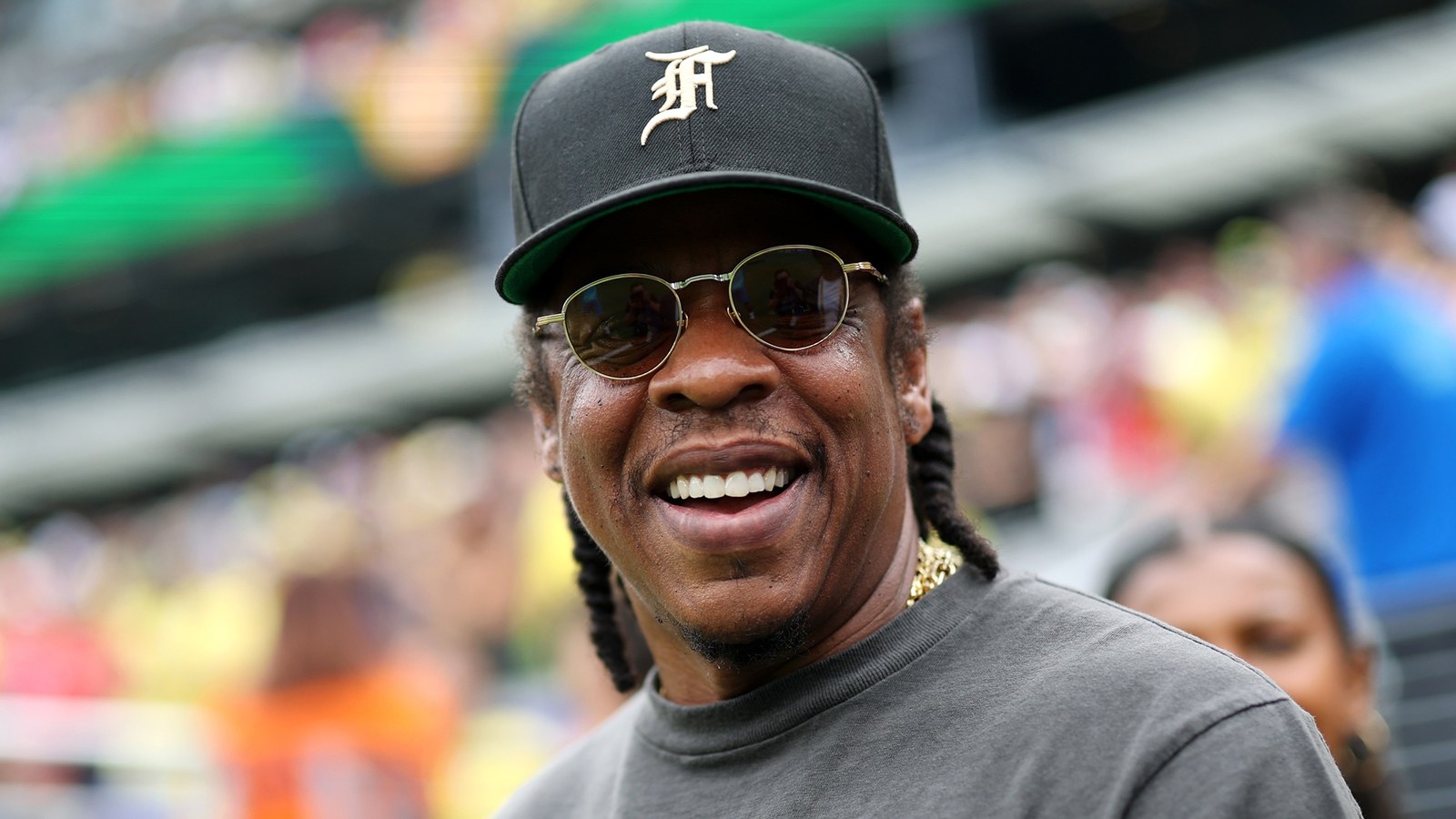
Hov's 30th-anniversary run sold fast enough to bolt on second nights in LA and London. The catalog is still stadium-sized business.
The 1988 ‘True Blue’ Air Jordan 3 returns July 18 in full-family sizing — one of the most important colorways MJ ever wore, done to OG spec.
Rick Ross released Set In Stone on July 17 — a 19-track, feature-stacked return, his first album in five years and the home of “Maybach Music VII.”
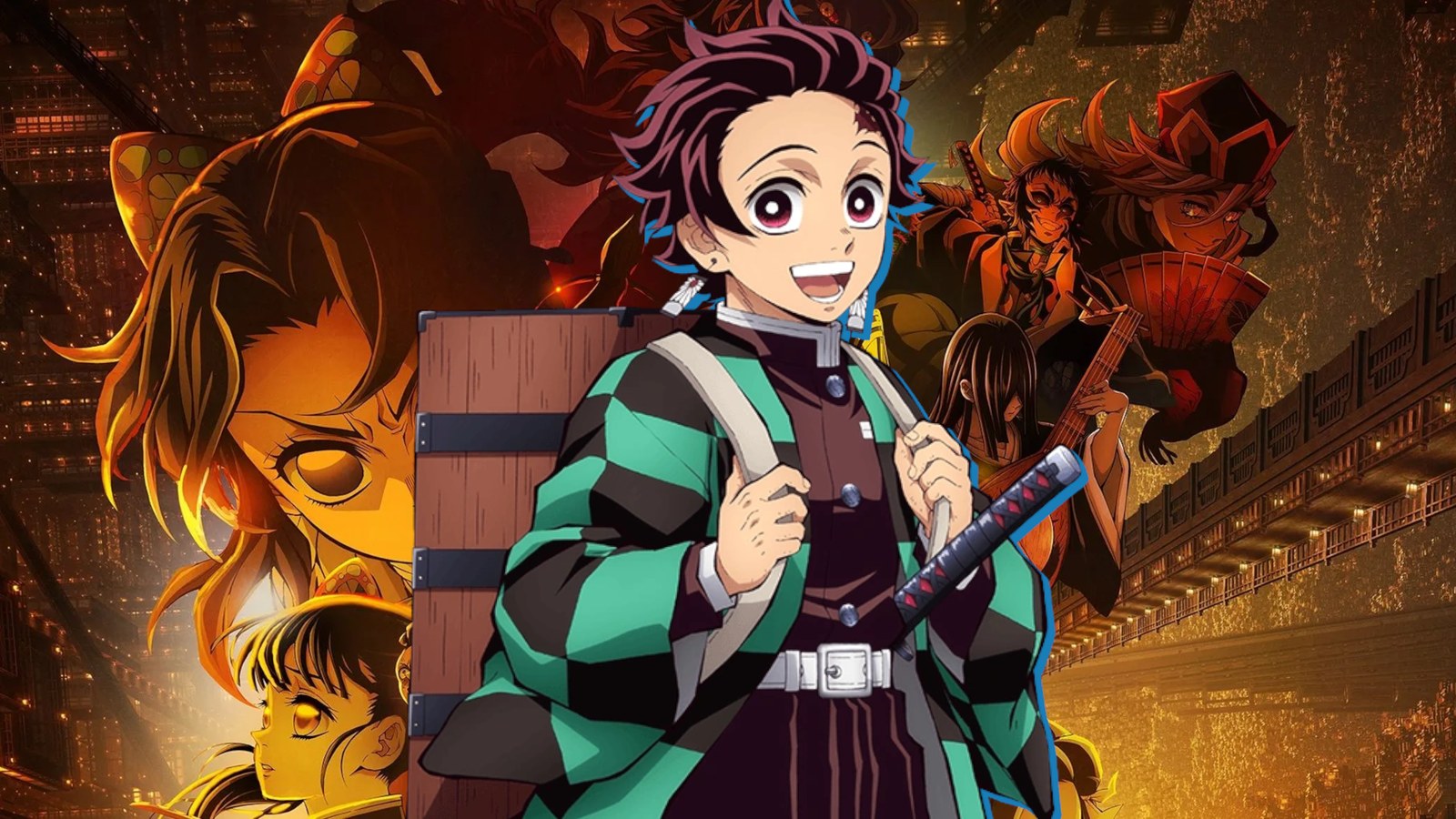
The record-breaking Infinity Castle hits Crunchyroll today — subbed and dubbed, the first legal stream after a nine-month theatrical run.
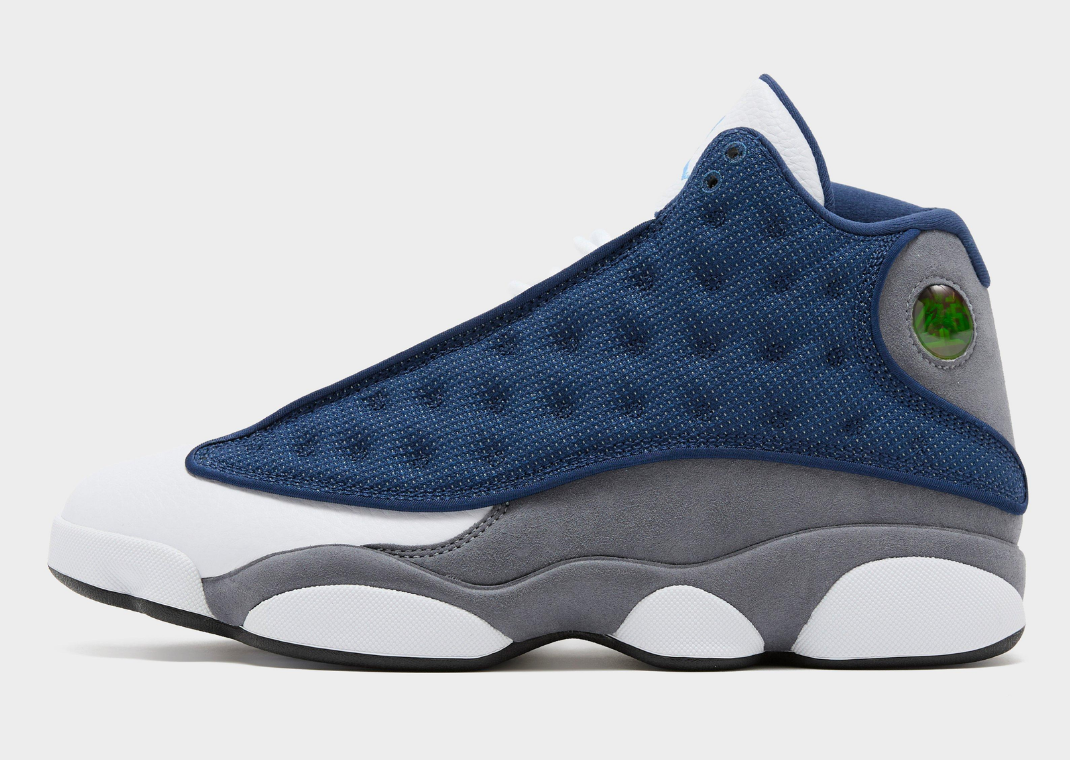
The OG ‘Flint’ Air Jordan 13 — grey, flint-blue, panther-paw sole — comes back August 1 for its fourth retro. No gimmick, just one of the cleanest 13s ever.
Q confirmed a 12-song album called Thank Que — reportedly his first written and recorded fully sober. The follow-up to 2024’s Blue Lips, no date yet.
S-GAME pushed Phantom Blade Zero to October 29, 2026, then promised a full State of Play deep dive to prove the extra time is going somewhere.
The ‘Space Jam’ Air Jordan 9 comes back August 8 — lined up with 30 years since the movie that put Jordans on every playground in America.
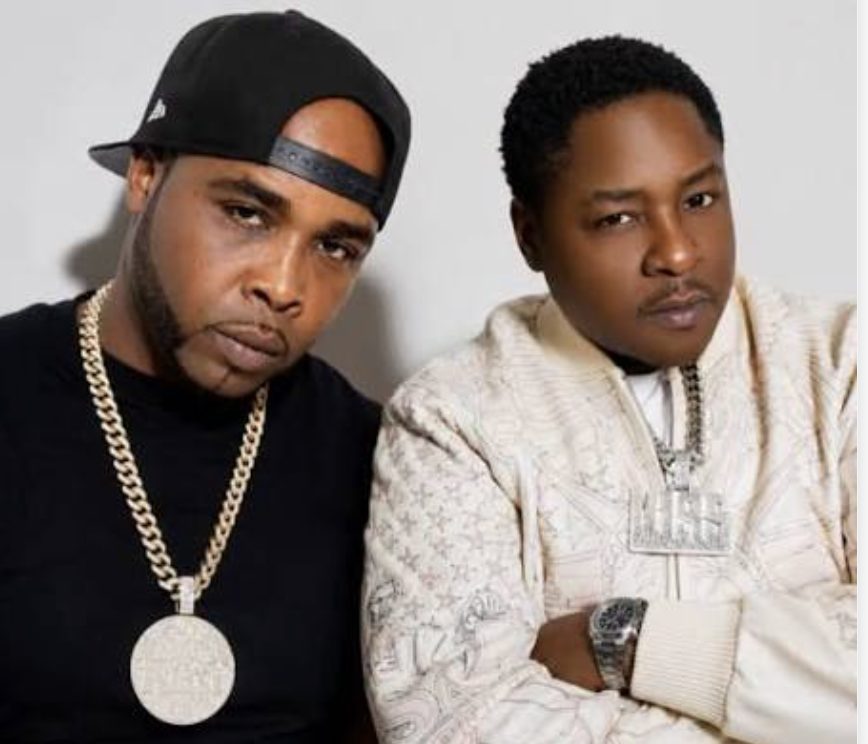
A Jadakiss verse that never came became a jab, a Harlem warning, and now a four-front dispute with Fat Joe, Jim Jones, and DJ Khaled in the crossfire.
JAIDE's green 'Fiberglass' Air Jordan 11 Low drops June 27 at $205 — the start of the year the untouchable 11 opens up to partners.
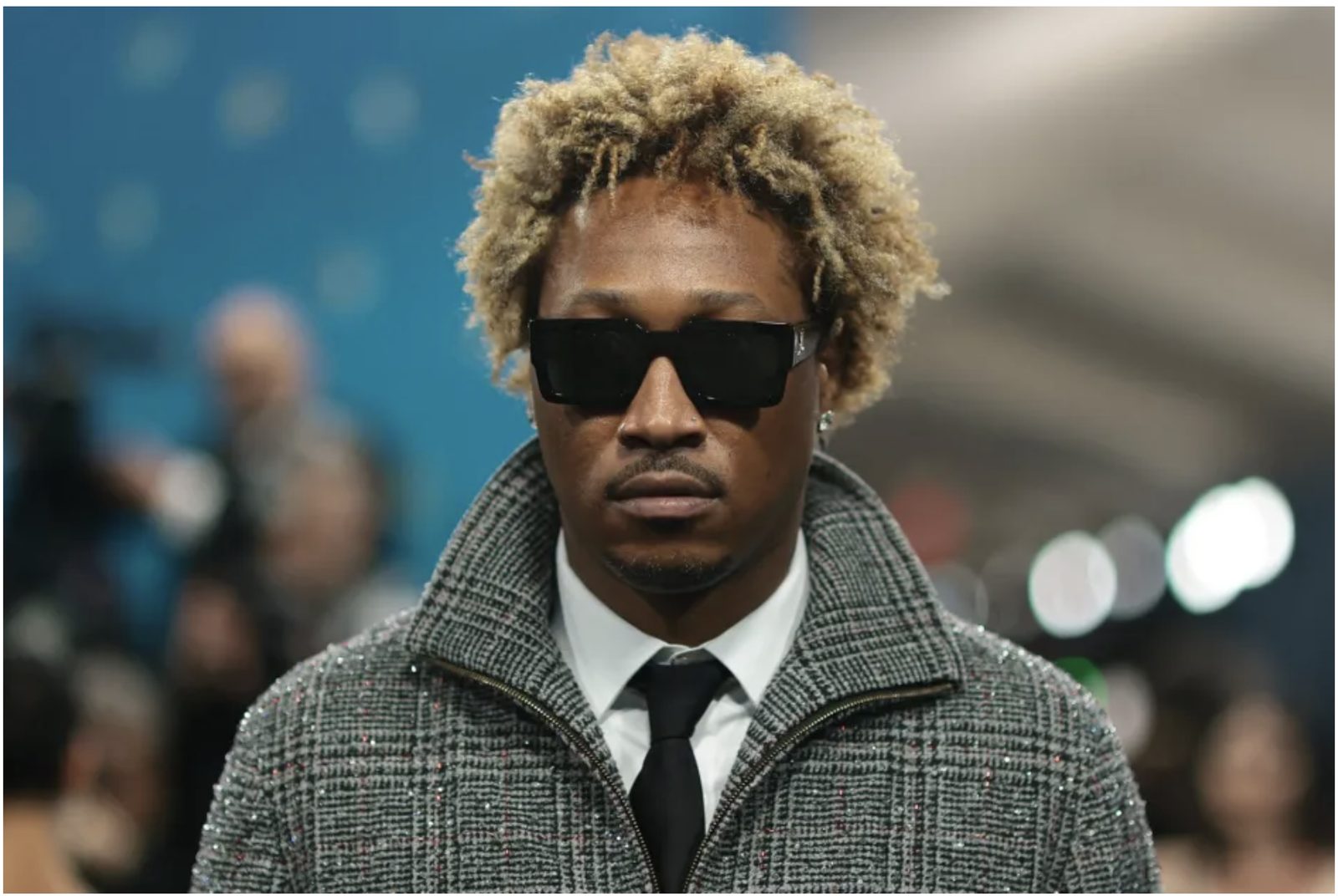
His 10th solo album lands July 10 with the single 'Radio.' He's not doing humble.
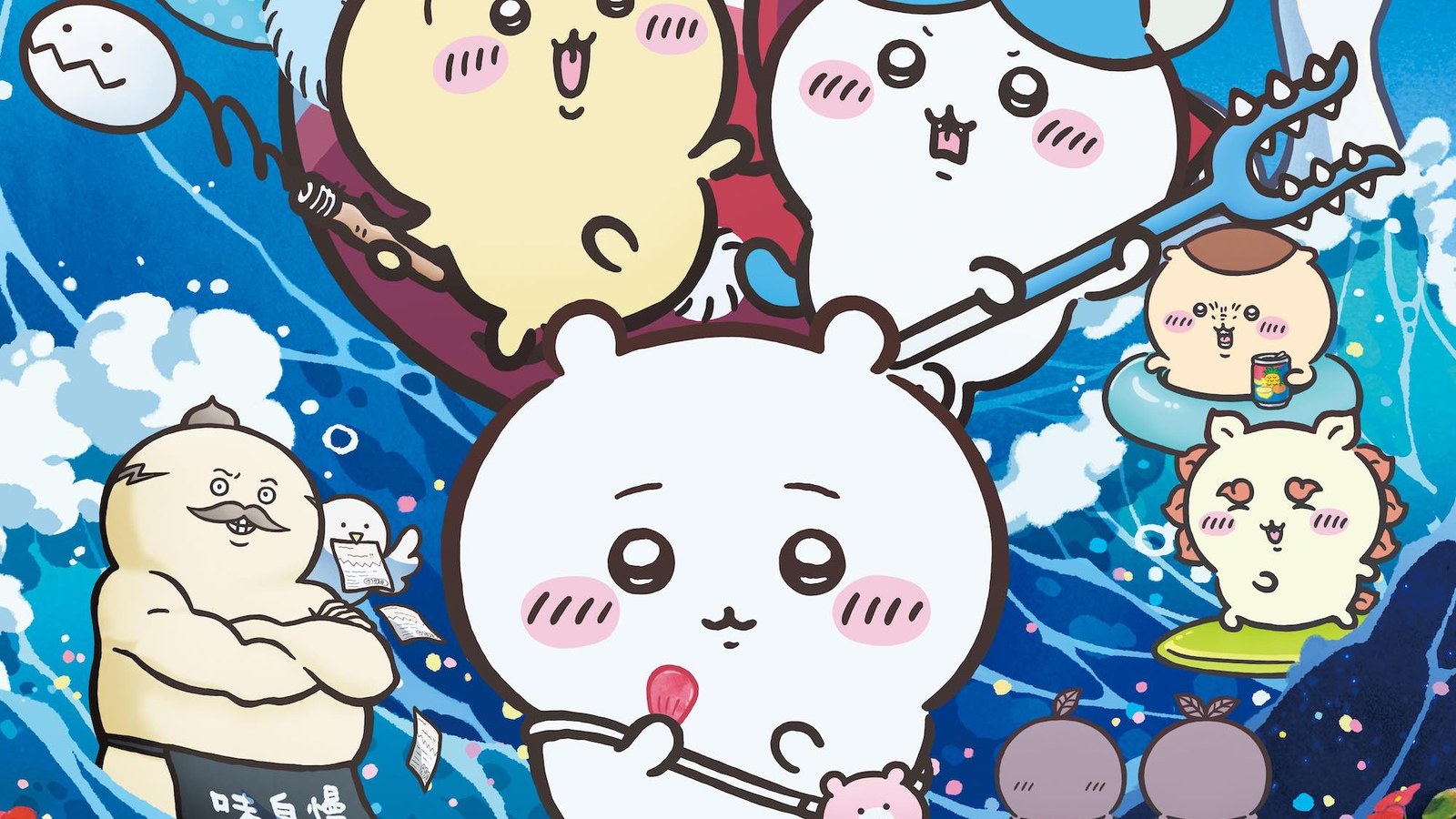
Chiikawa's first film opened No.1 in Japan and broke Infinity Castle's single-day screening record. Mascot culture is now box-office royalty.
The art-inspired Olympic Air Jordan 7 'Miro' returns July 10 at $255 — multi-color tabs, Dream Team heel number, '08 nostalgia.
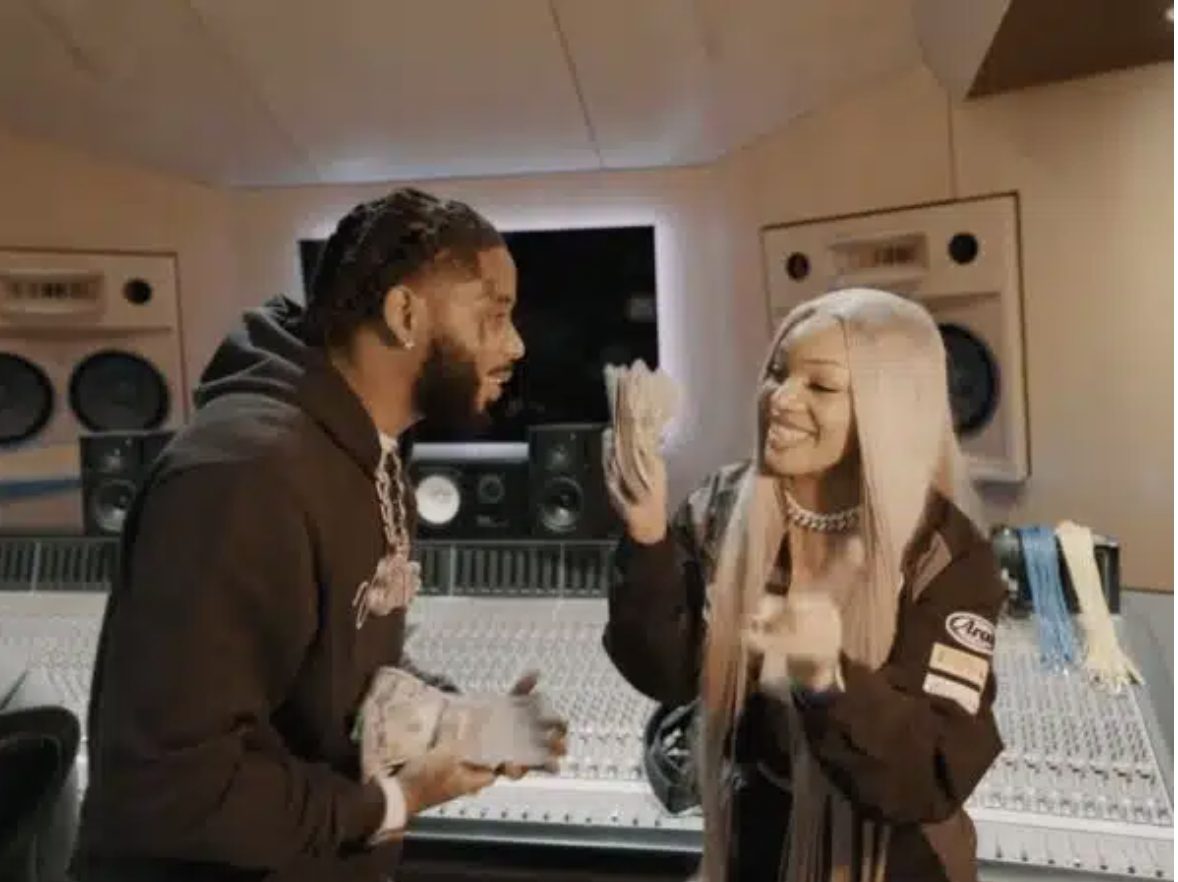
Big Glo's first solo single of the year is a Memphis-on-Memphis link — ice-cold, video out, Shiesty back in rotation.
Playground's Fable reboot moved to February 2027 and, for the first time, hits PlayStation too. The bigger story is what it did to morality.
The 2006 'Tour Yellow' Air Jordan 4 is confirmed for September 5, 2026 at $220 — removable tongue patch and all, back for its 20th anniversary.
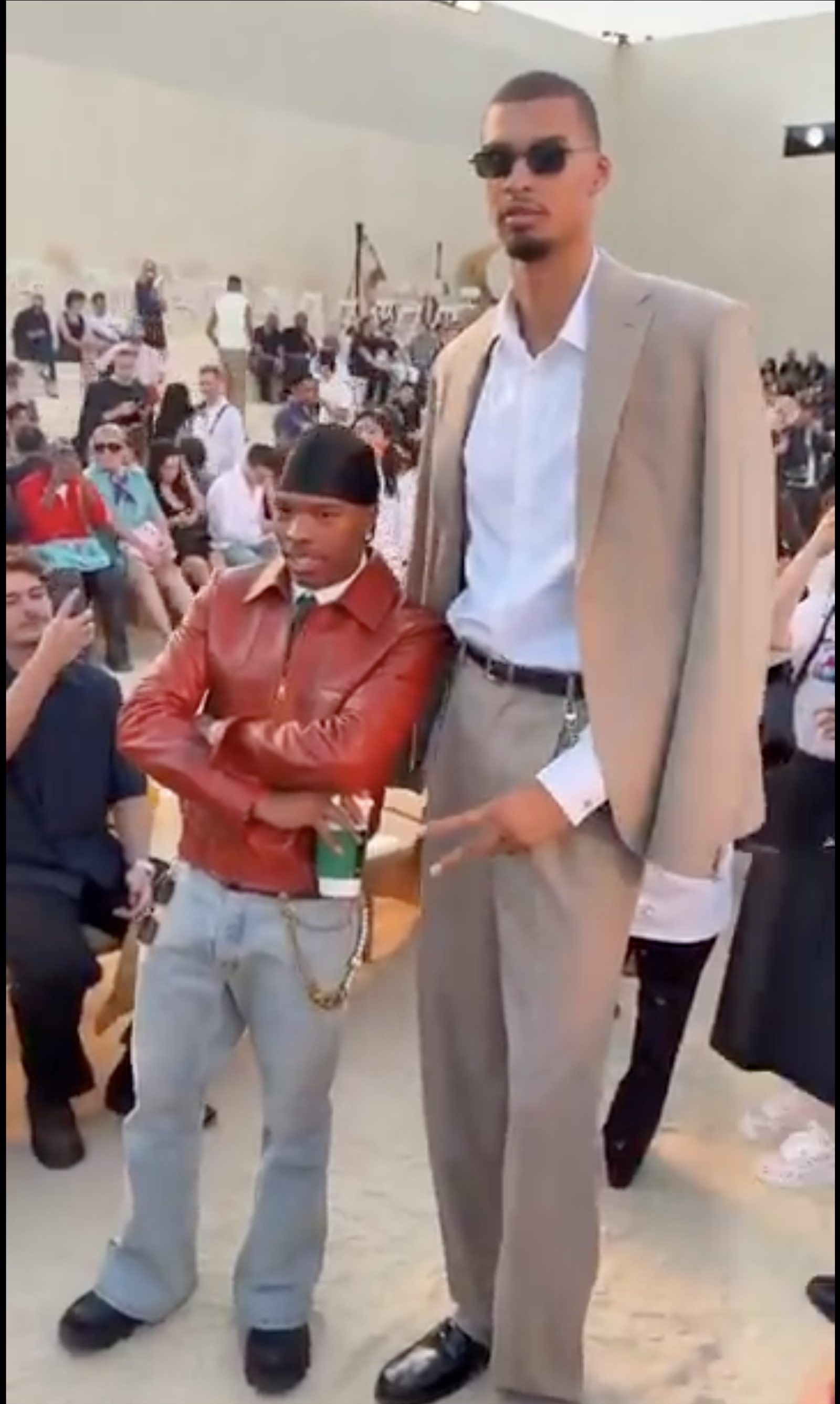
Pharrell's front row in Paris is where hip-hop, the NBA's next face, and luxury keep shaking hands.
Built around Michael Jordan's 2003 farewell letter to basketball, the 'Love Letter' AJ1 trades hype graphics for worn-in brown nubuck and a 'Much Love and Respect' hangtag. July 2, $185.
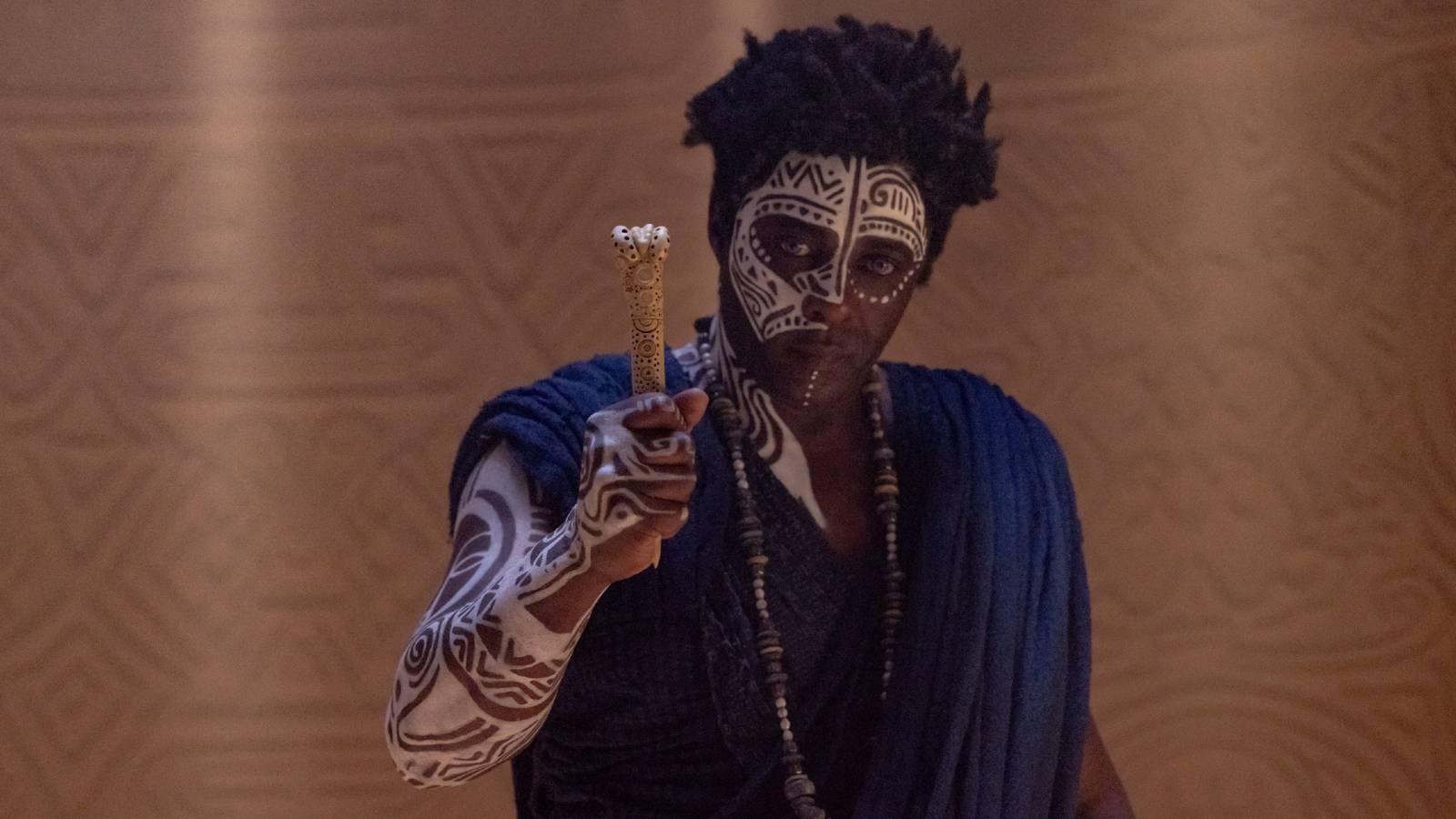
Tomi Adeyemi's blockbuster fantasy gets its first trailer — Idris Elba, Viola Davis, Damson Idris, Cynthia Erivo — and the timeline lit up.
Jordan Brand reshapes the AJ4's eyelet wings and TPU netting into a comic-book treatment, gradient panels and all, timed to drop during San Diego Comic-Con. July 25, $230.
Take-Two's CEO killed the delay rumors. GTA 6 lands November 19, pre-orders already sold through the first wave, and Trailer 3 is next.
A Black, University Red, Palomino and Summit White AJ1 Low OG lands August 22 as part of a 'Laser' pack pulling from one of the rarest Jordan finishes ever. $145.
A tropical AJ4 in Coconut Milk, Bright Mango, and gold — pulled from the birds-of-paradise flower. Women's sizing, $220, July 23.
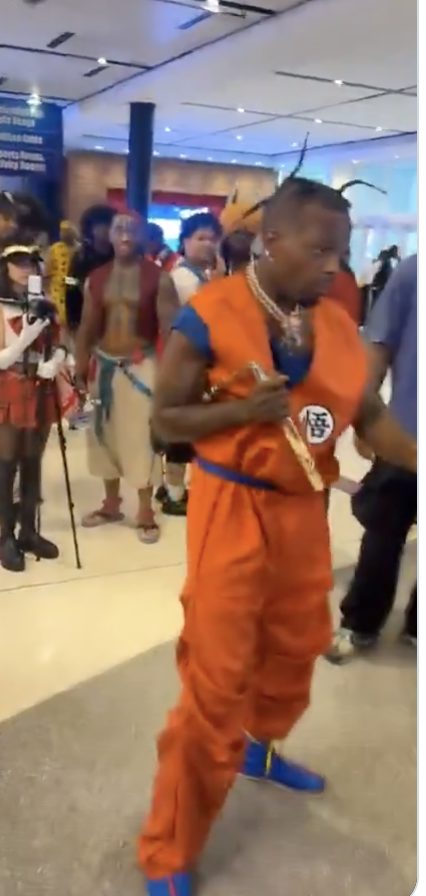
Full Goku fit, nunchucks on the con floor, an attempted Super Saiyan. The hair stayed black — the clip went everywhere anyway.
Ghana's Free The Youth land one of the least-touched models in the Jordan line — a rare AJ16 collab, $250, July 17.
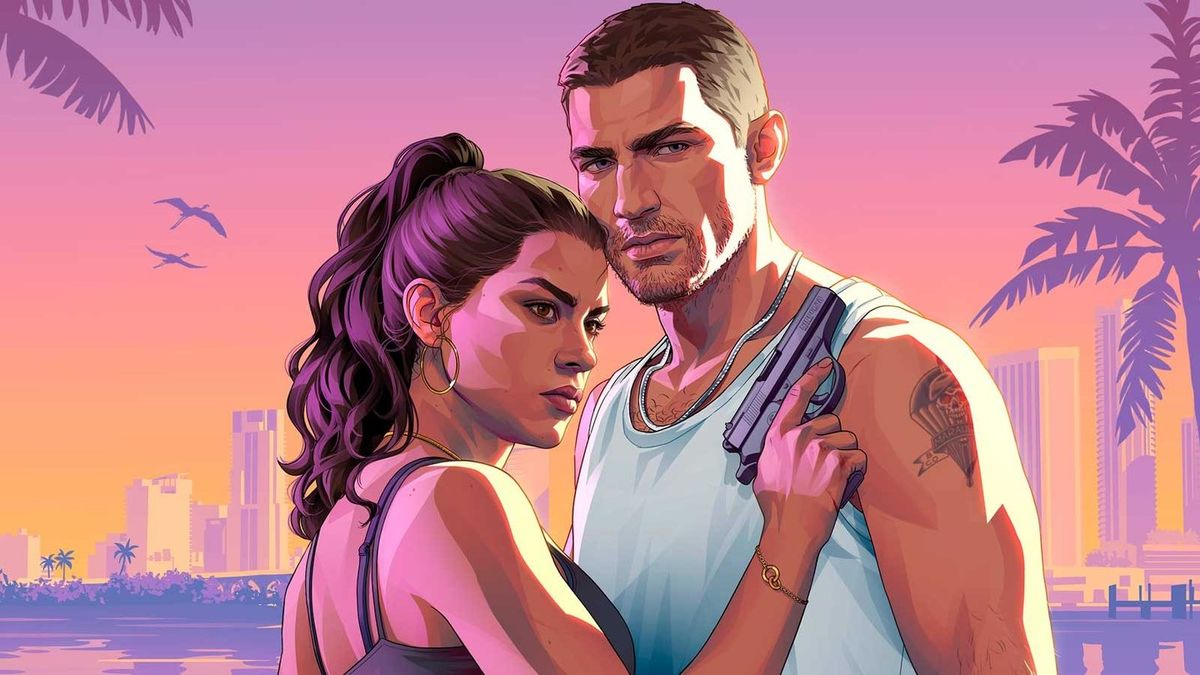
An insider says Rockstar shows 'a fair bit' of GTA 6 next month. Trailer 3 hype is at a boil again.
The 'Wings' 13 lands July 24 — a themed take on the panther silhouette that still flies under the radar for too many people.
Before the retail 3, the MCS baseball cleat brings 'True Blue' to the dirt on July 14.

30,000+ in Houston, Issa Rae on the main stage, a celebrity ball game on House of Highlights — RDCWorld's convention keeps compounding.
A 'What The' 9 Low that mashes a rack of classic colorways onto one mismatched pair — loud, referential and $180, out August 14.
CDPR's Update 2.4 - Afterlife Edition is the final numbered drop for 2077: a Studio Trigger mission chain and path tracing 2.0, before the team turns to the sequel.
The Air Jordan 12 'Bucks' (CT8013-103) brings back Ray Allen's Milwaukee player-exclusive in Summit White and Gorge Green, dropping September 19 for $205.
The Air Jordan 9 'Space Jam' comes back August 29 in White, True Red and Black for $215 — the colorway from the era the 9 was born in.
The AJ1 Low OG 'Last Dance At The Garden' lands Sept 26 — a black, varsity red and white Low tied straight to MJ's Madison Square Garden lore.
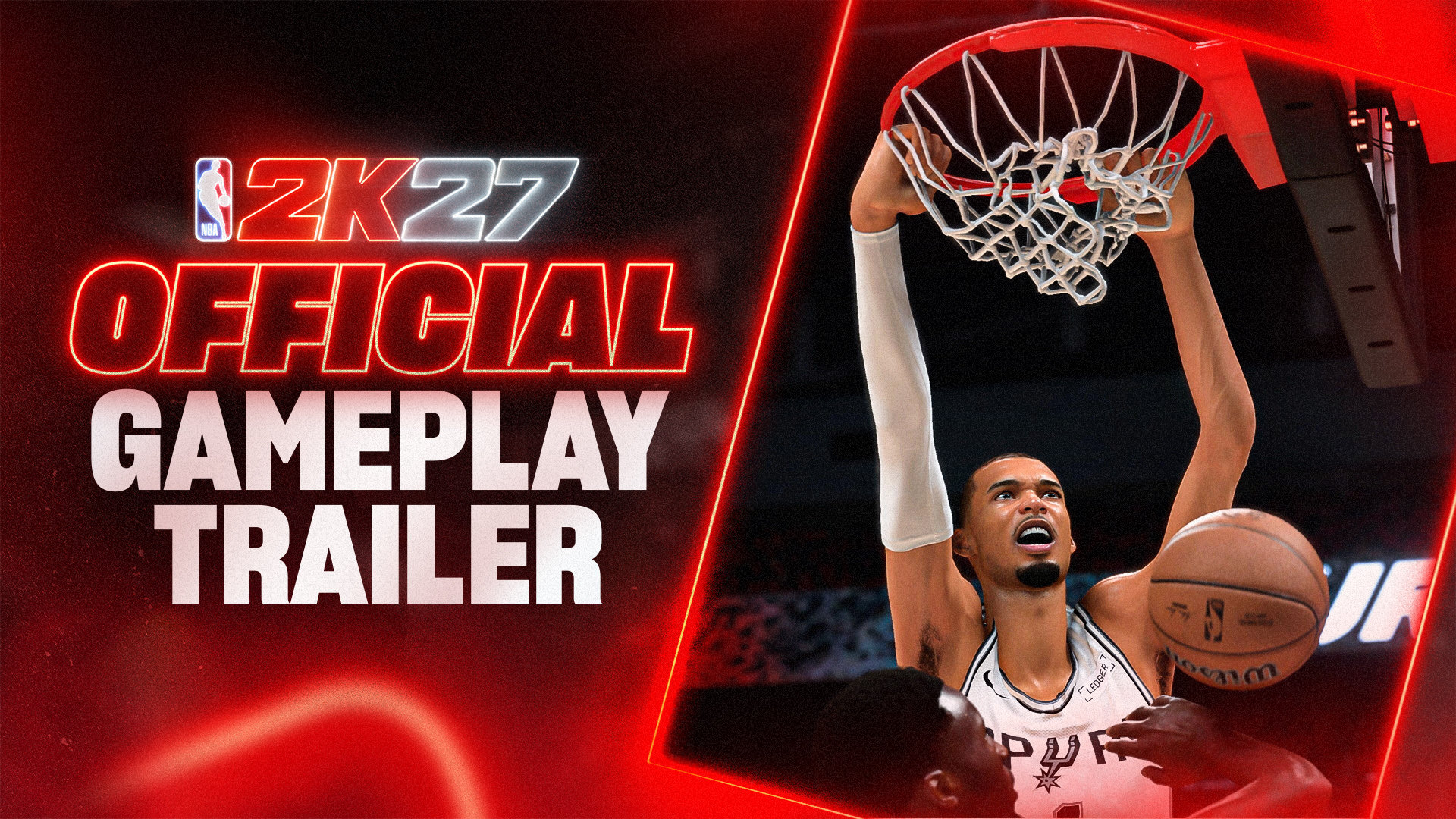
Wemby, Caitlin Clark and D-Rose front the cover. The gameplay trailer's out and the full reveal lands August 18.
The Air Jordan 8 'Chrome' returns September 12 at $215 — the flashy '93 fan favorite back in its cleanest form.
The Air Jordan 5 'Halloween' drops October 24 at $220 — a seasonal makeup that actually lines up with the calendar.
The Air Jordan 14 Low 'Black Pack' arrives October 3 at $240 — the Ferrari-inspired 14 in its cleanest, most wearable form.
The kid who came up rapping over Fortnite lobbies is now the Season 15 Icon - skins, four Jam Tracks, the whole rollout, live July 30.
The sneaker board leads with a collab: J Balvin's Air Jordan 4 'Multicolor' — the reggaeton superstar back on the most bankable shape Jordan makes.
A cozy, seasonal makeover on the tank of the line: the Air Jordan 12 'Egg Nog' brings orewood brown and team red to the fall board.
The sculpted 14 gets a deep, moody makeover: 'Forest Green' closes out October on one of Jordan's most underrated shapes.
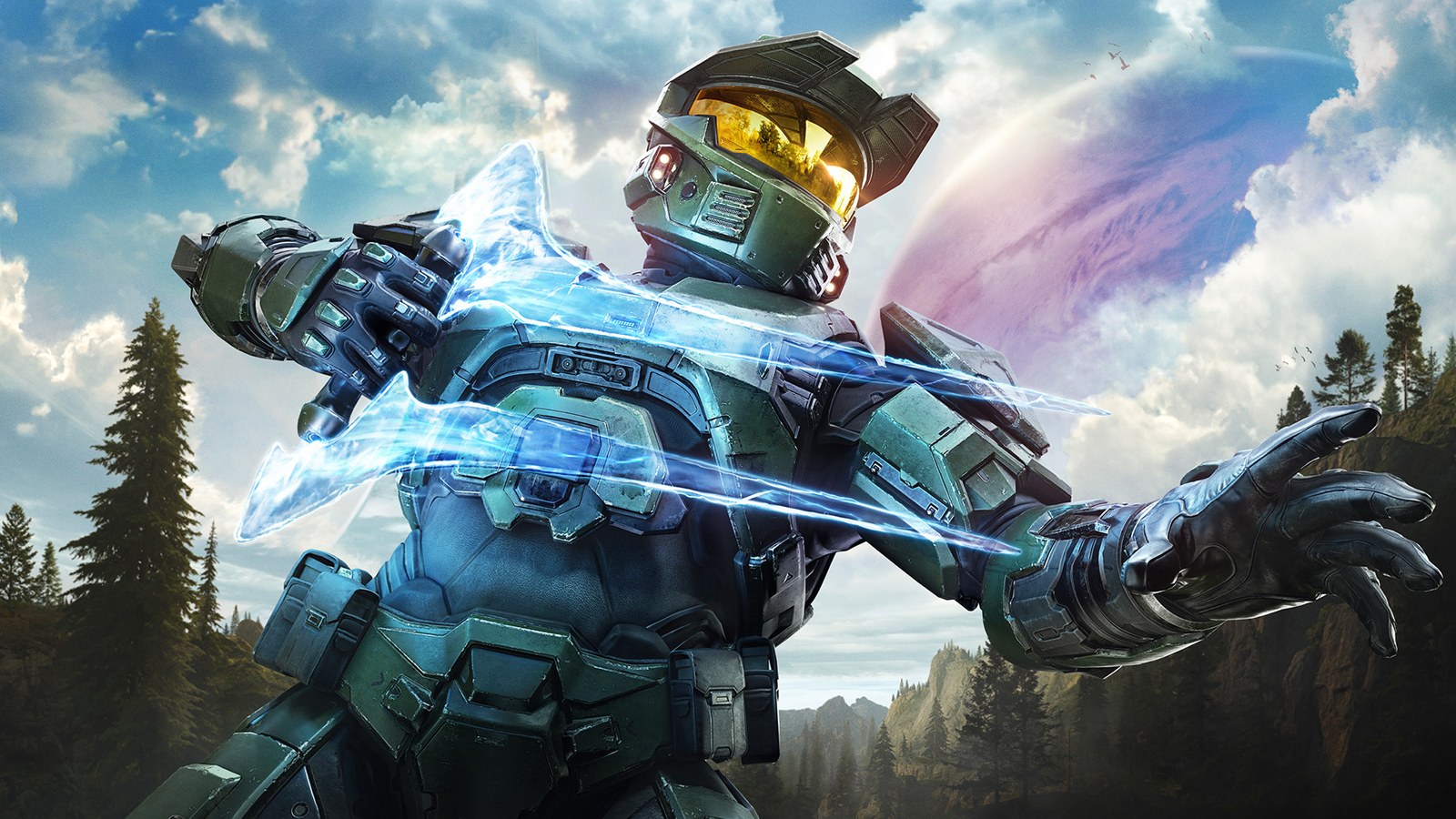
Campaign Evolved launches today on PS5 — the first Halo ever outside Microsoft's box. The console war just lost its oldest border.
Angelo Baque's Awake NY gets two cracks at the Jordan 6 this September — a real collab on a real shape.
Black, Varsity Red and Summit White on the Low OG - a nod to MJ's final run at Madison Square Garden. Out September 26 for $145.
A Midnight Navy Air Jordan 1 Low OG tied to Howard University - the culture on the shoe, not just a colorway. Out October 1 for $165.
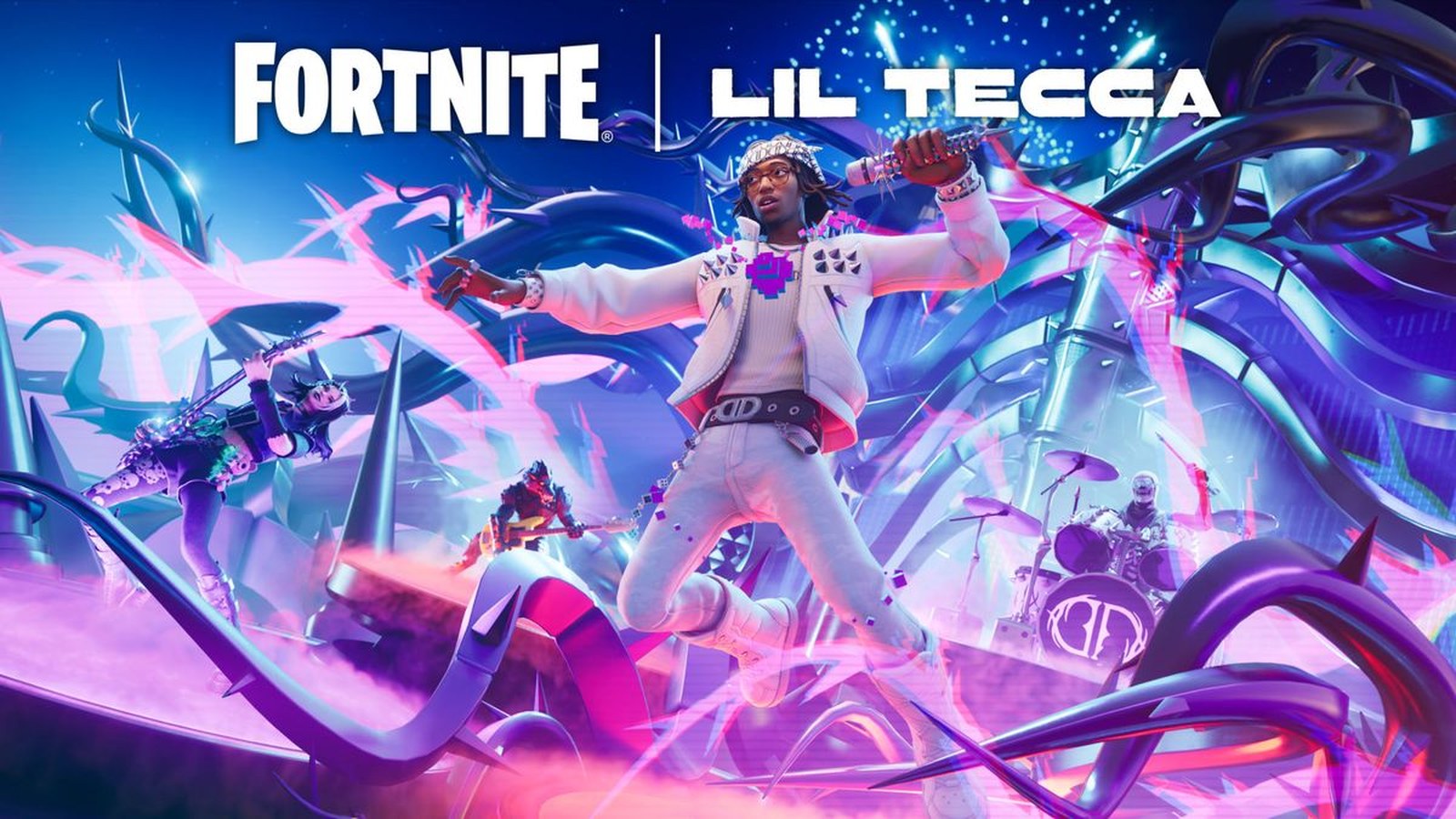
A rapper who started rhyming on Fortnite voice chat is now the Season 15 Icon — four Jam Tracks and a full cosmetic set, live Thursday.
The Air Jordan 7 'Miro' - a 2008 Europe-only release that only made 1,000 pairs - got its first-ever reissue this month at $255. One of the rarest 7s ever, back for real.
Warm gradient, reflective tongue intact — the women's calendar keeps landing the better colorways, and the 5 'Sunset' proves it.
The Air Jordan 1 Low OG “Last Dance At The Garden” drops September 26 around $140 (IR0088-001) in Black/Varsity Red-Summit White — a nod to MJ’s Madison Square Garden nights and the Knicks’ 2026 title run.
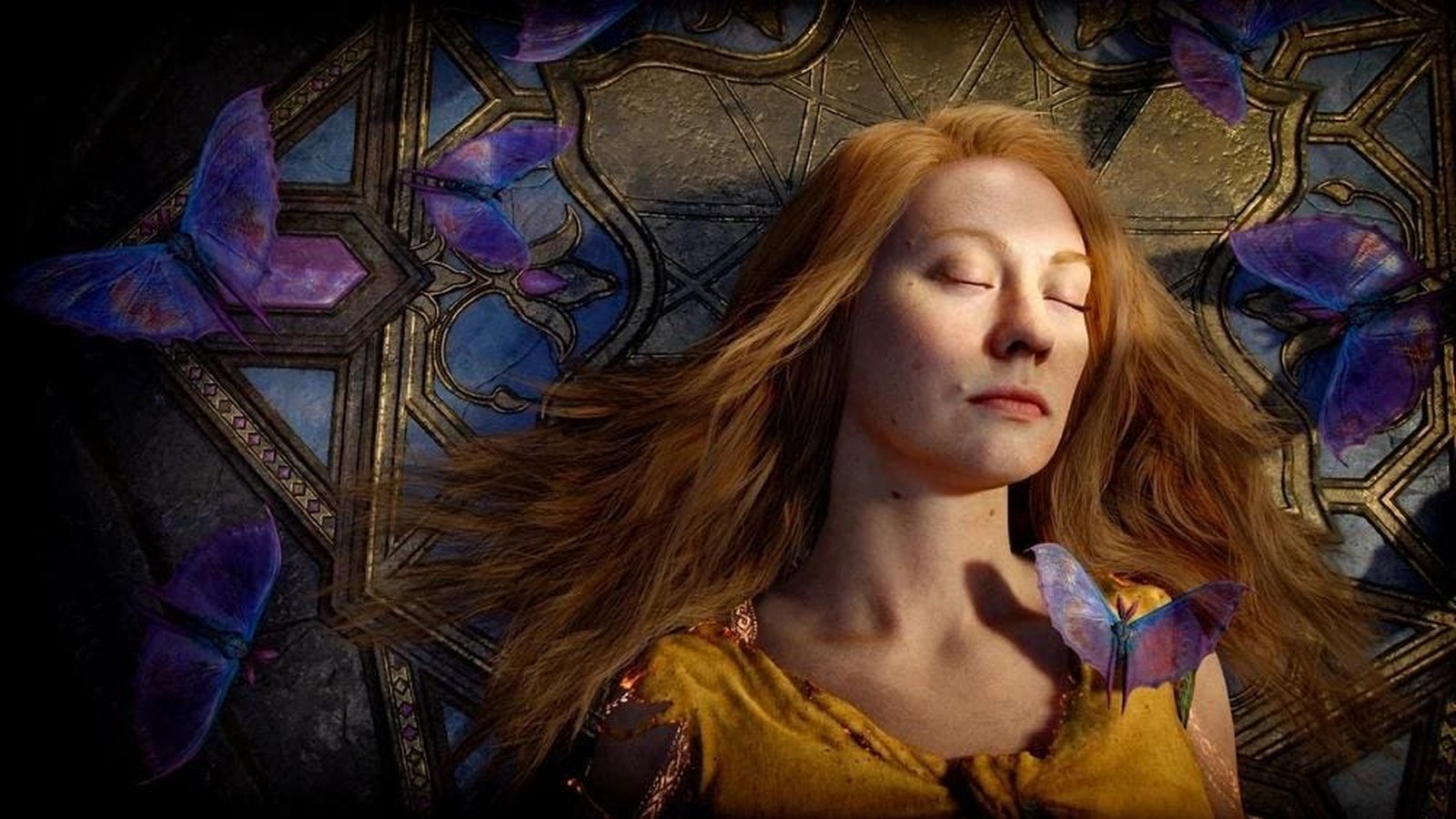
Sony dated the Atreus-led Laufey for February and, same breath, confirmed a new Kratos game is already in development. A franchise double-tap.
The Air Jordan 3 “Not Nice” is penciled for November 21 around $215 (IF4396-001) — a fresh, non-nostalgia name on Tinker’s elephant-print classic for Holiday 2026.
The Air Jordan 1 High OG “Love The Game” lands August 1 at $185 (DZ5485-201) in Shadow Brown, Team Red and Light British Tan — named for the contract clause that let Jordan play pickup wherever he wanted.
The Air Jordan 17 Low “Black Patent” drops August 8 around $240 (IV7640-001) — a glossy nod to the 2002 “Black Chrome,” from the most expensive, most buttoned-up Jordan ever made.
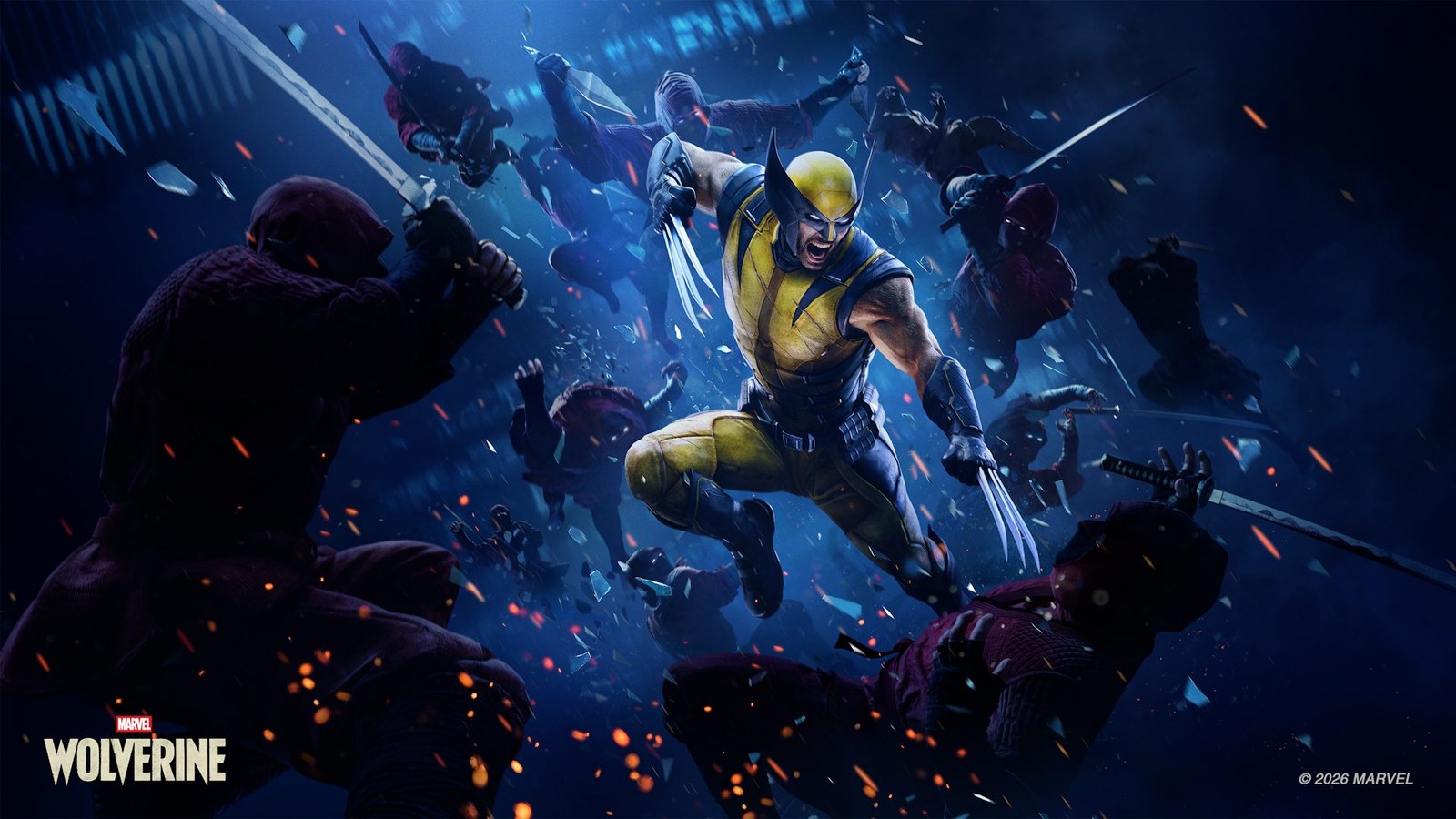
Insomniac's PS5 exclusive dropped its bloodiest trailer yet and a hard September 15 date. Fans are calling it the best Logan footage since the film.
The Air Jordan 1 Low OG “Howard University” lands October 1, 2026 at $165 (IX8478-410) — Jordan Brand’s second nod to the Mecca. If you know what Howard means, this one reads different.
The Air Jordan 4 “London” (IV6048-001) is expected Fall 2026 at $220 — weathered black suede, an LDN hang tag, and “No Excuses” on the tongue. A city-coded 4 for a game that went global a long time ago.
The Air Jordan 5 “Halloween” (HQ7978-001) drops October 24, 2026 at $220 — blacked-out upper, orange hits, glow-in-the-dark outsole. A seasonal 5 that leans all the way into the gimmick.
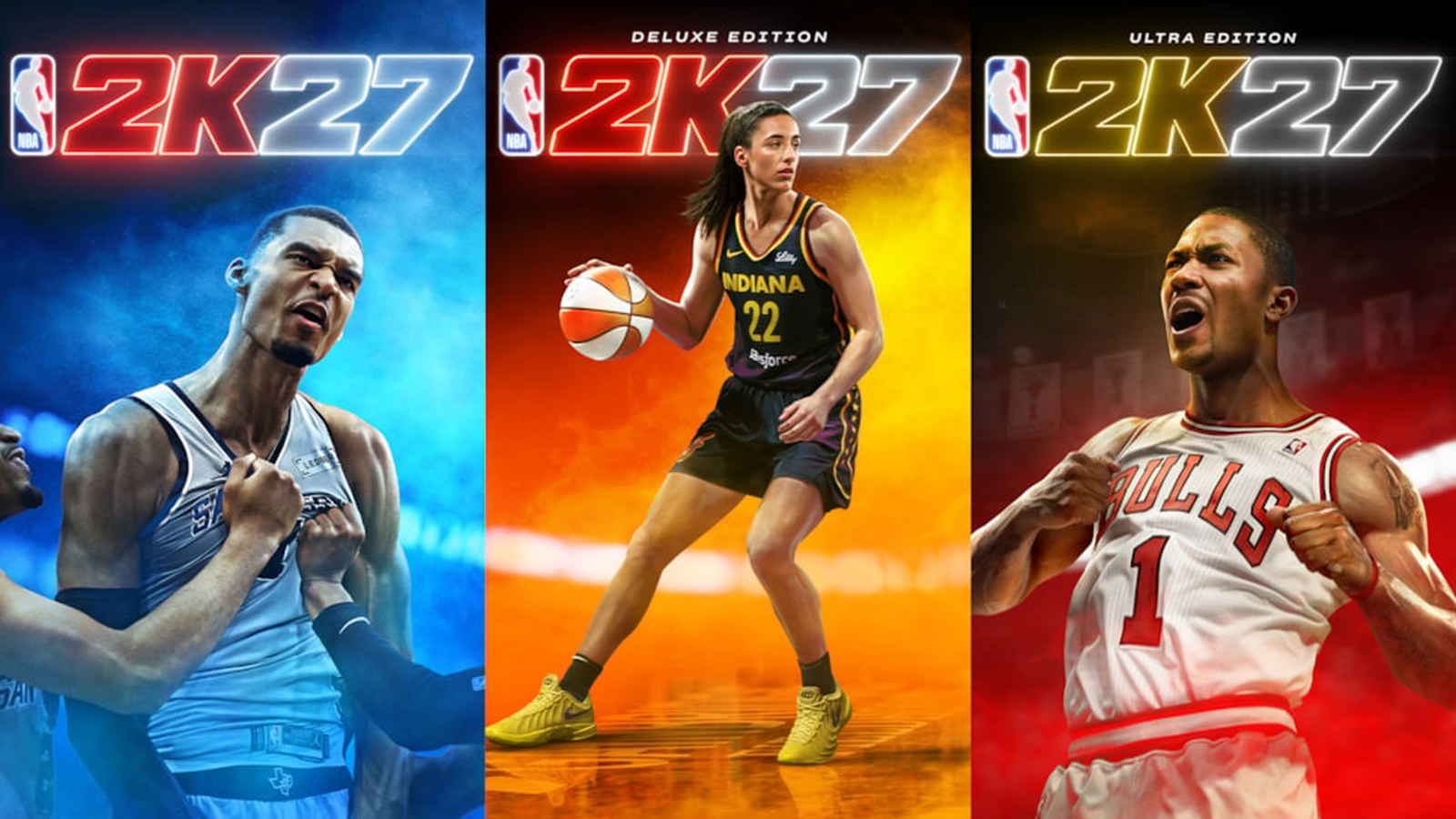
NBA 2K27 put Victor Wembanyama, Caitlin Clark and a Derrick Rose legacy edition on the cover — with the gameplay trailer landing today.
The Air Jordan 6 “Oreo” returns August 8, 2026 at $215 (CT8529-108) — its first retro ever, 16 years after the 2010 original, dropped for the 6’s 35th.
The Air Jordan 3 “Laser” lands August 22, 2026 at $230 (JA1369-001) — the first retail run of the laser-engraved 3 built as Michael Jordan’s 40th-birthday PE.
The Air Jordan 13 “Wings” arrives August 6, 2026 at $215 (IX1872-001) — a black-denim wear-away build tied to Jordan’s Wings education program.
Halo: Campaign Evolved launches July 28 at $49.99 — a remake of the 2001 original and the first mainline Halo campaign ever on a PlayStation console.
The Air Jordan 4 “Tour Yellow” (IO2463-102) lands September 5, 2026 at $220 — white leather, tour-yellow hits, and the removable tongue patch that hides a message.
The Air Jordan 8 “Chrome” (305381-007) returns September 12, 2026 at $215 — black nubuck, chrome hardware, and the cross-straps back in proper OG form.
The Air Jordan 12 “Bucks” (CT8013-103) drops September 19, 2026 at $205 — Summit White and Gorge Green, the Milwaukee player exclusive going wide for the first time.
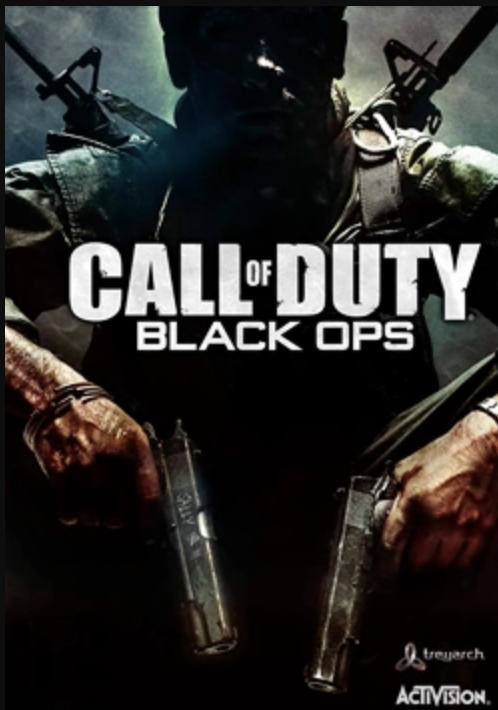
Days after launch, the re-released Black Ops is overrun with hackers wiping player ranks — and it still hit #1 on the PlayStation Store.
The Air Jordan 9 OG “Space Jam” returns August 29 at $215 (HV4794-106) — the shoe MJ never played an NBA game in, back for the film’s 30th anniversary.
The Air Jordan 13 “Flint” returns August 1 at $215 (IW3808-400) — navy reflective mesh, flint grey suede, the panther-paw sole. One of the OG ’98 colorways, back on a wide release.
The Air Jordan 14 “Forest Green” drops October 31 at $215 (487471-300) — its first retro since 2005, the sleeper colorway on the Ferrari-built silhouette.
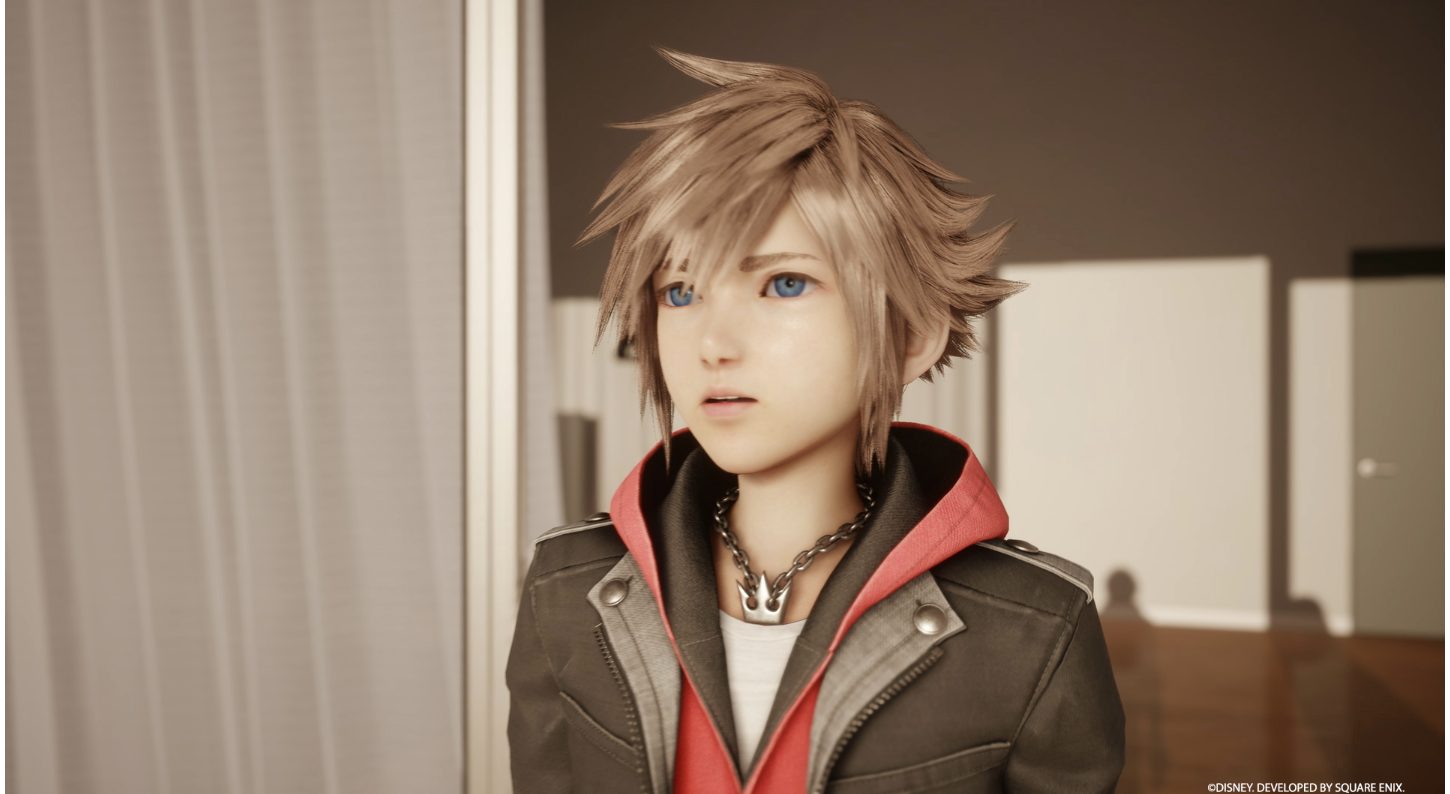
A dedicated KH panel hits D23 on August 15 for the 25th anniversary — and KH4 still doesn't have a date. Read the signals.
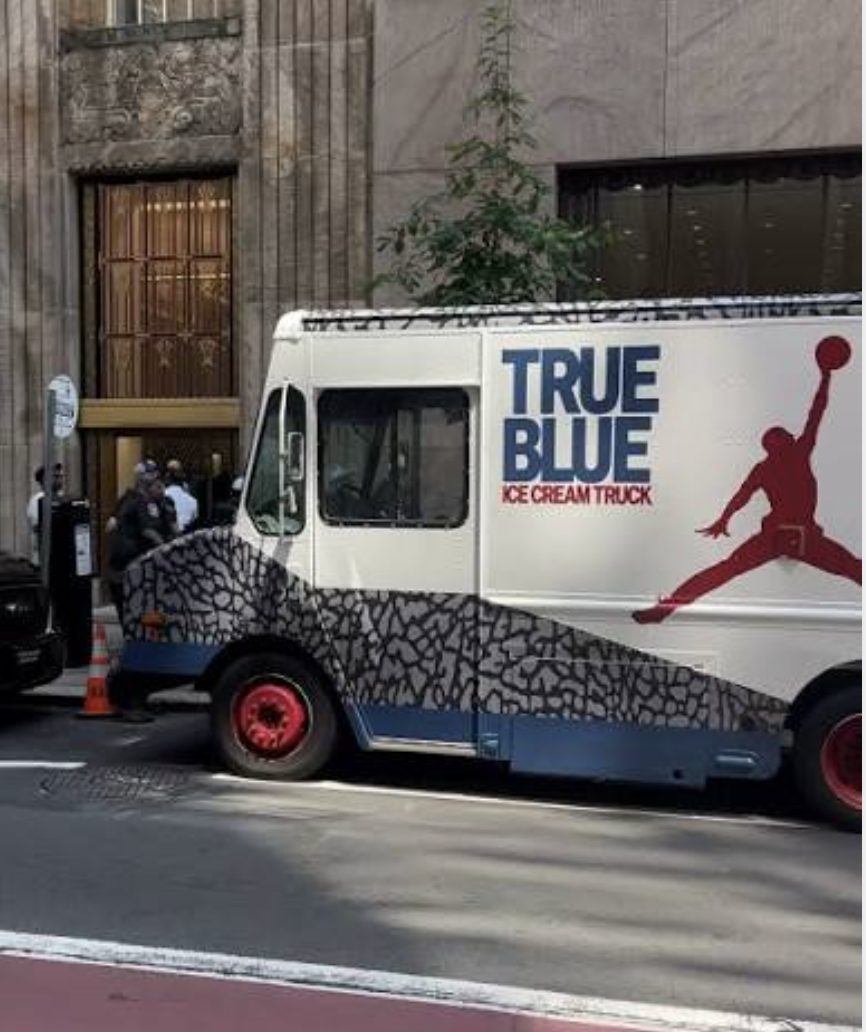
The Air Jordan 3 “True Blue” returns July 18 at $230 — first run in a decade, with the thinner ’88-style elephant print back on the panels. Here’s the cop-or-skip.
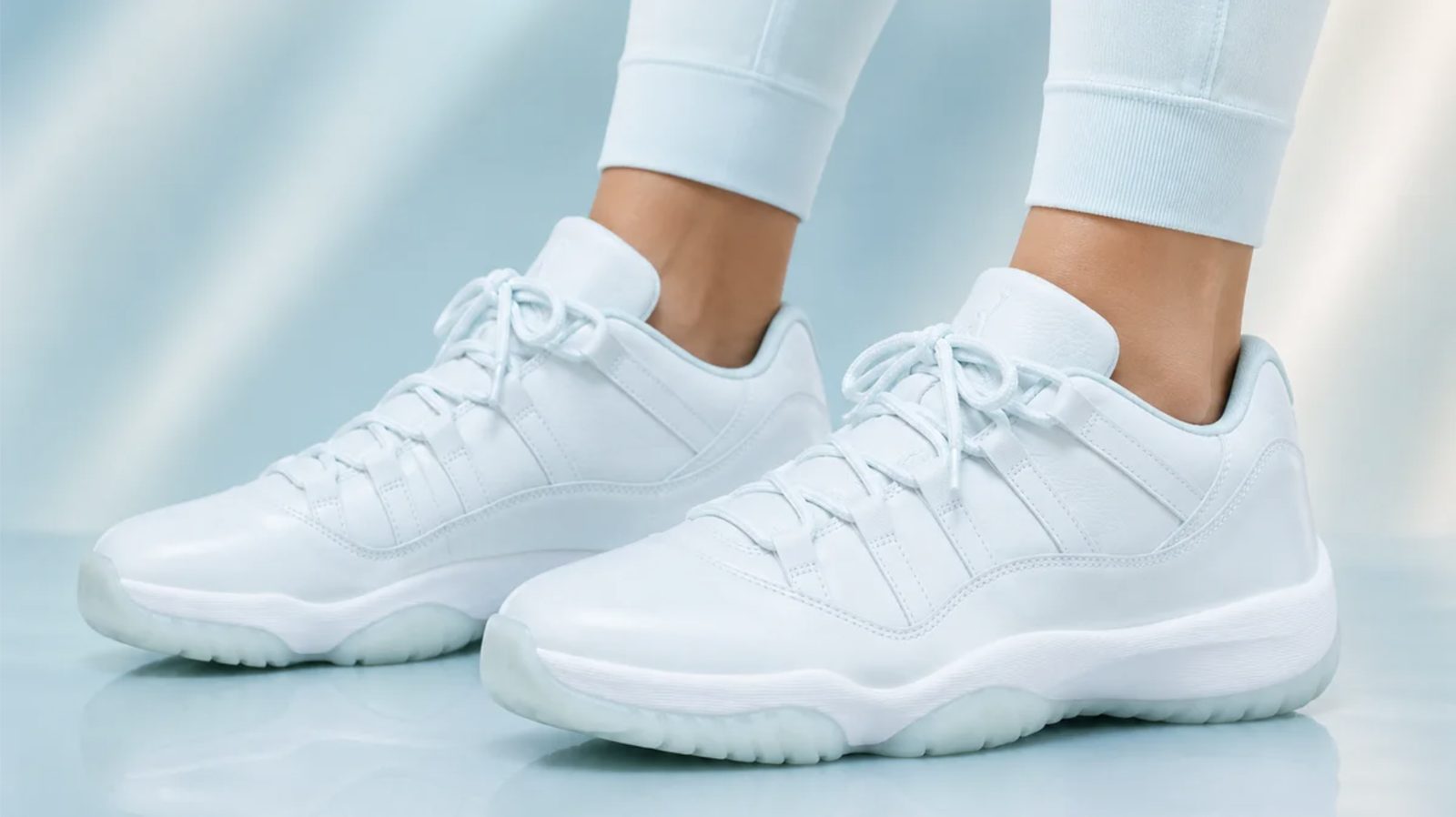
The AJ11 Low gets its first-ever collab — from the women's boutique inside the Black-owned group behind A Ma Maniere. Drops Saturday.
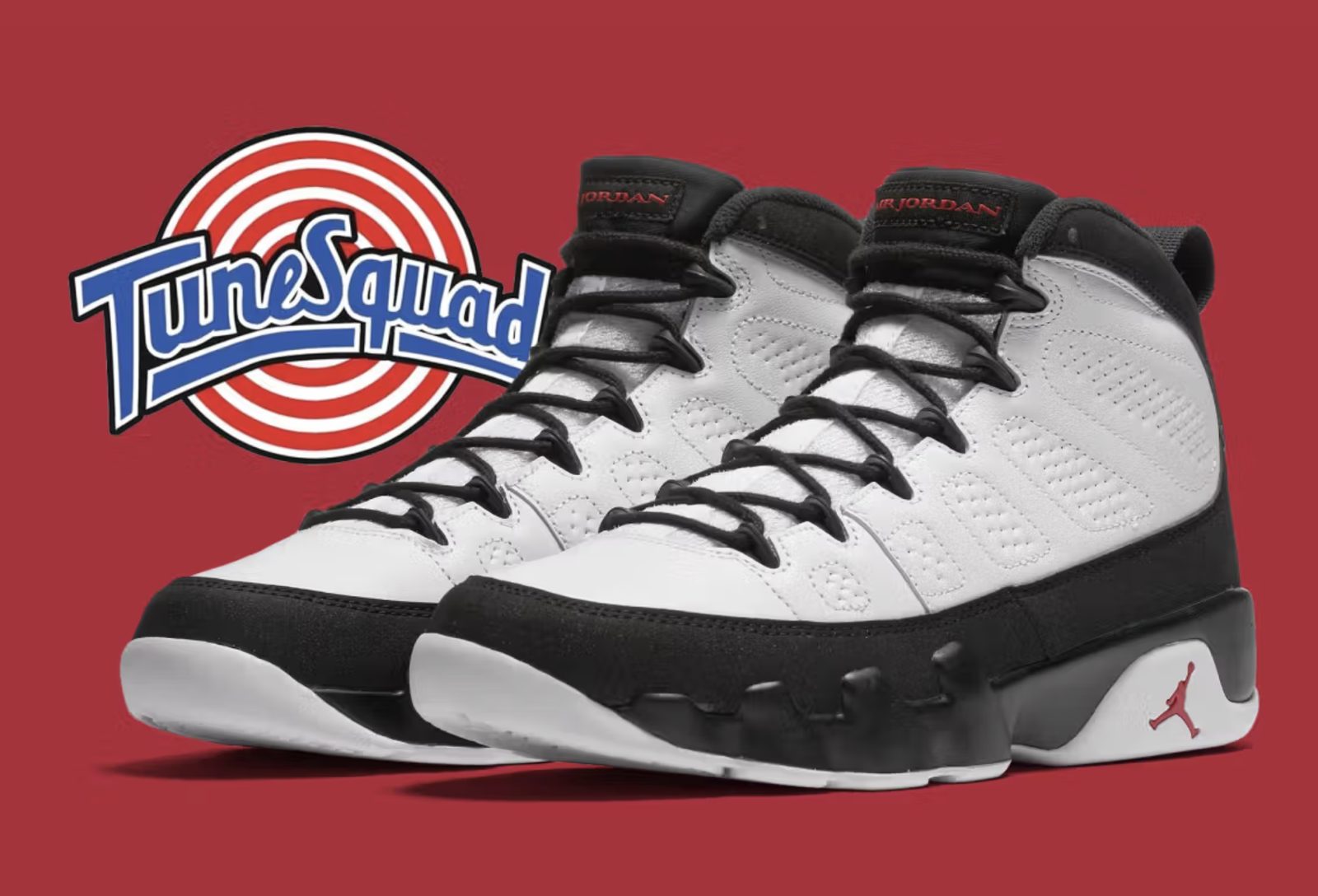
The Air Jordan 11 Space Jam returns December 12 at $235 — the holiday anchor, with the price creep telling its own story.
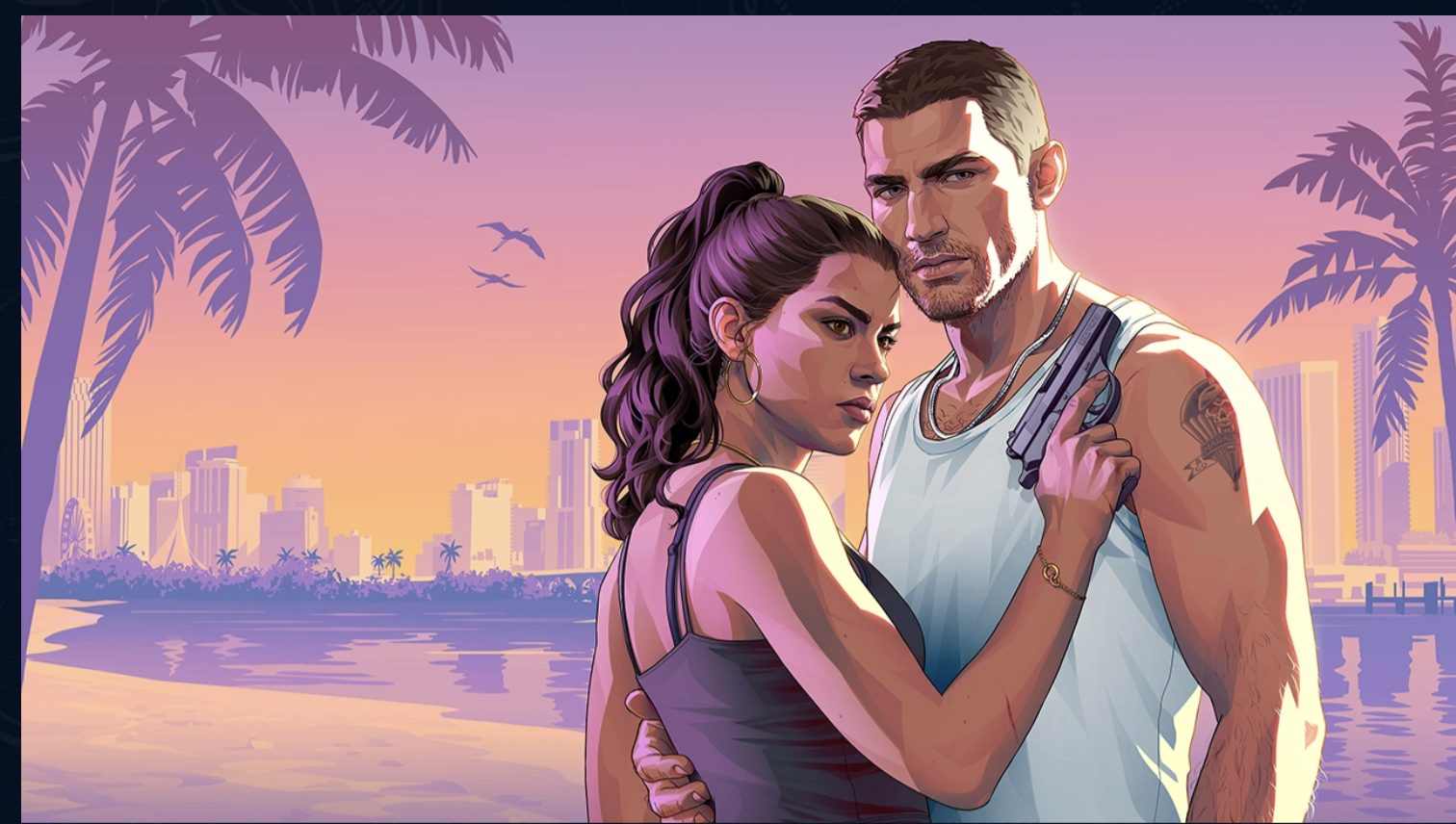
A retail listing spilled switchable protagonists, an in-game social network, and PS5 Pro enhancements — weeks before the rumored Trailer 3.
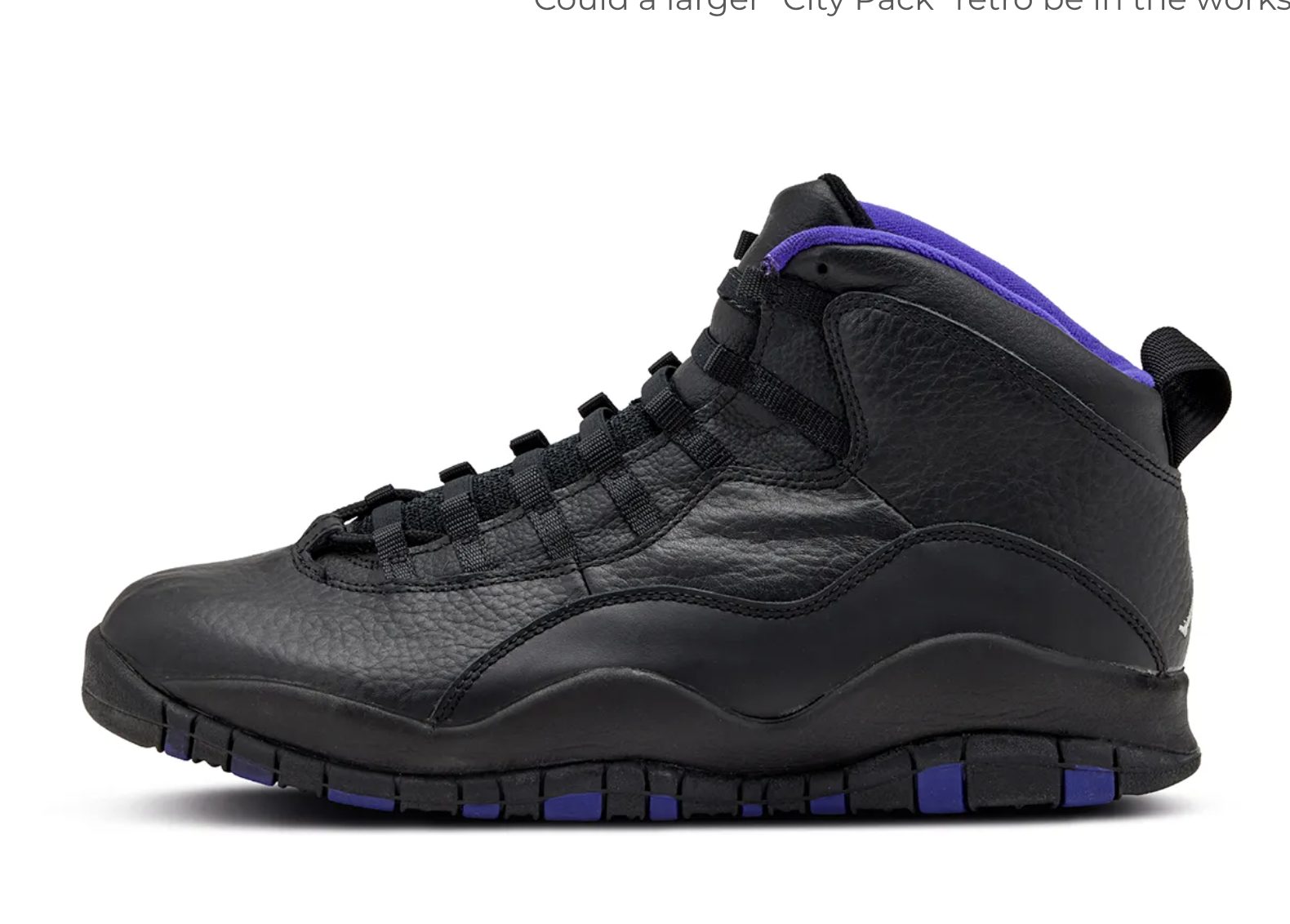
Thirty-one years after the City Series, the Sacramento Air Jordan 10 finally gets its first-ever retro — December 5, black and purple.
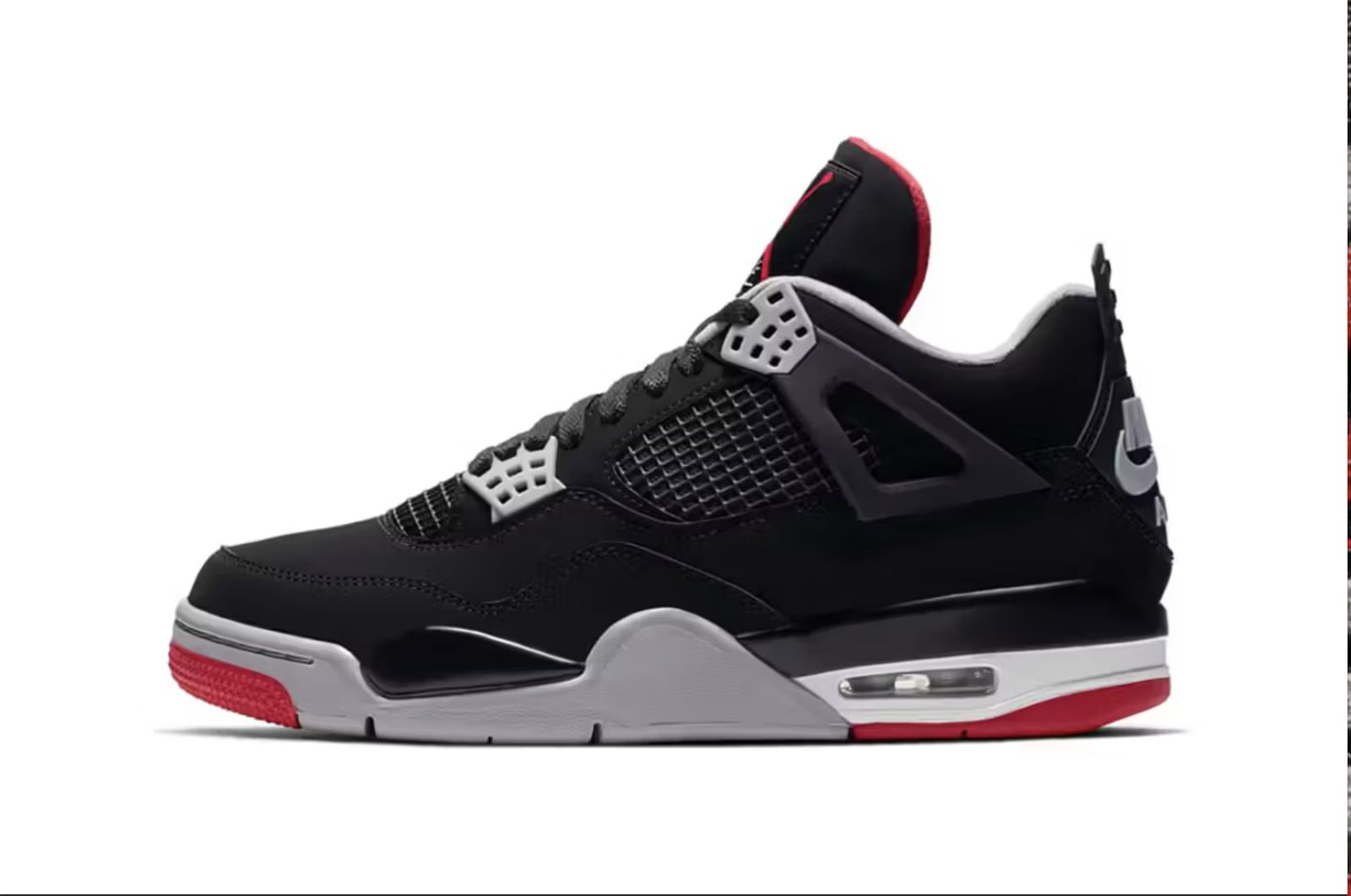
The Air Jordan 4 Bred returns in true OG spec over Black Friday weekend — face box, white edges, Fire Red, the works.
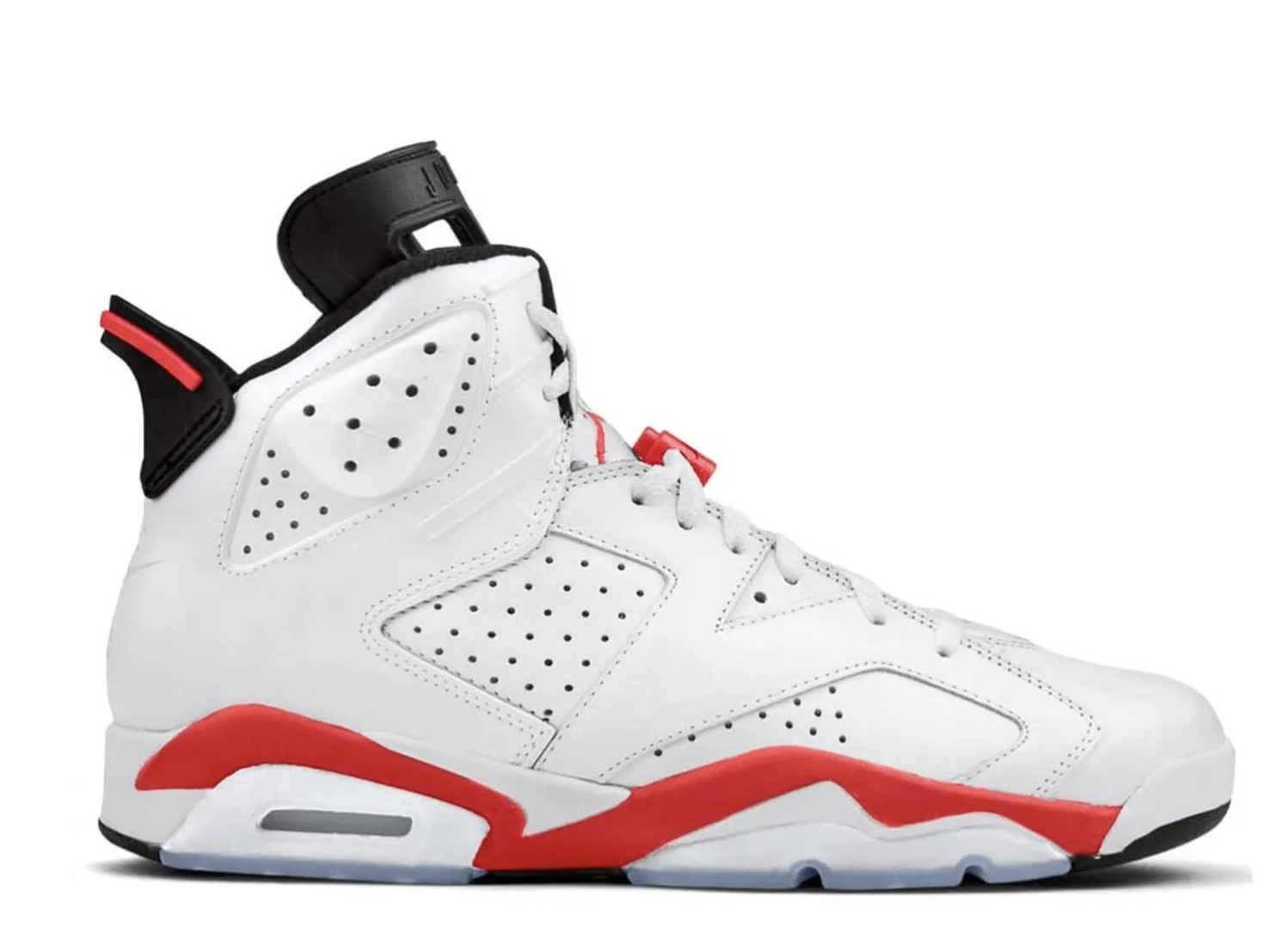
The Air Jordan 6 White Infrared returns November 7 for the model's 35th — true 1991 mold, original Nike Air heel branding restored.
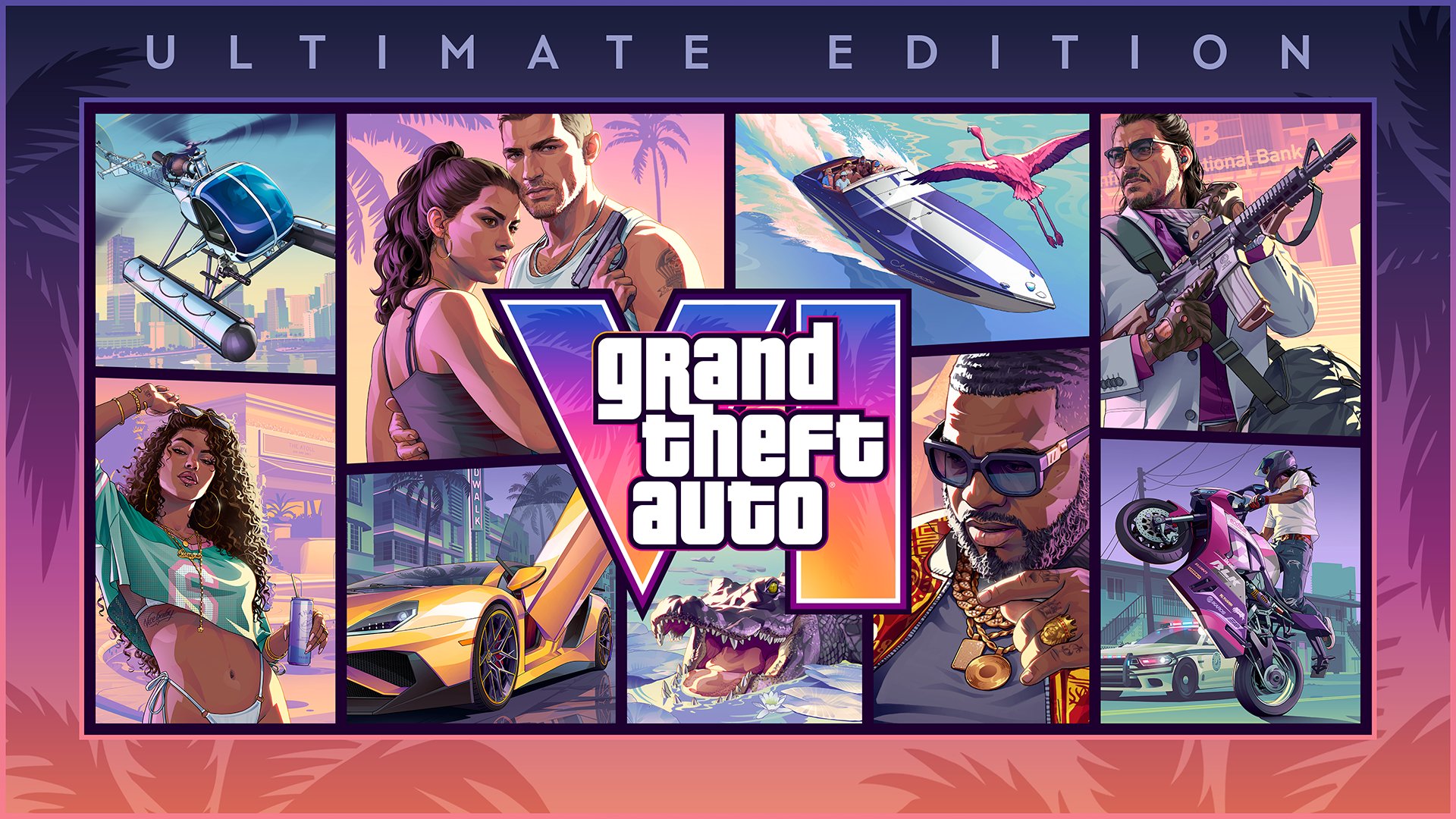
Rockstar locked single-player shops and side missions to the Ultimate Edition — and the culture that made GTA noticed immediately.
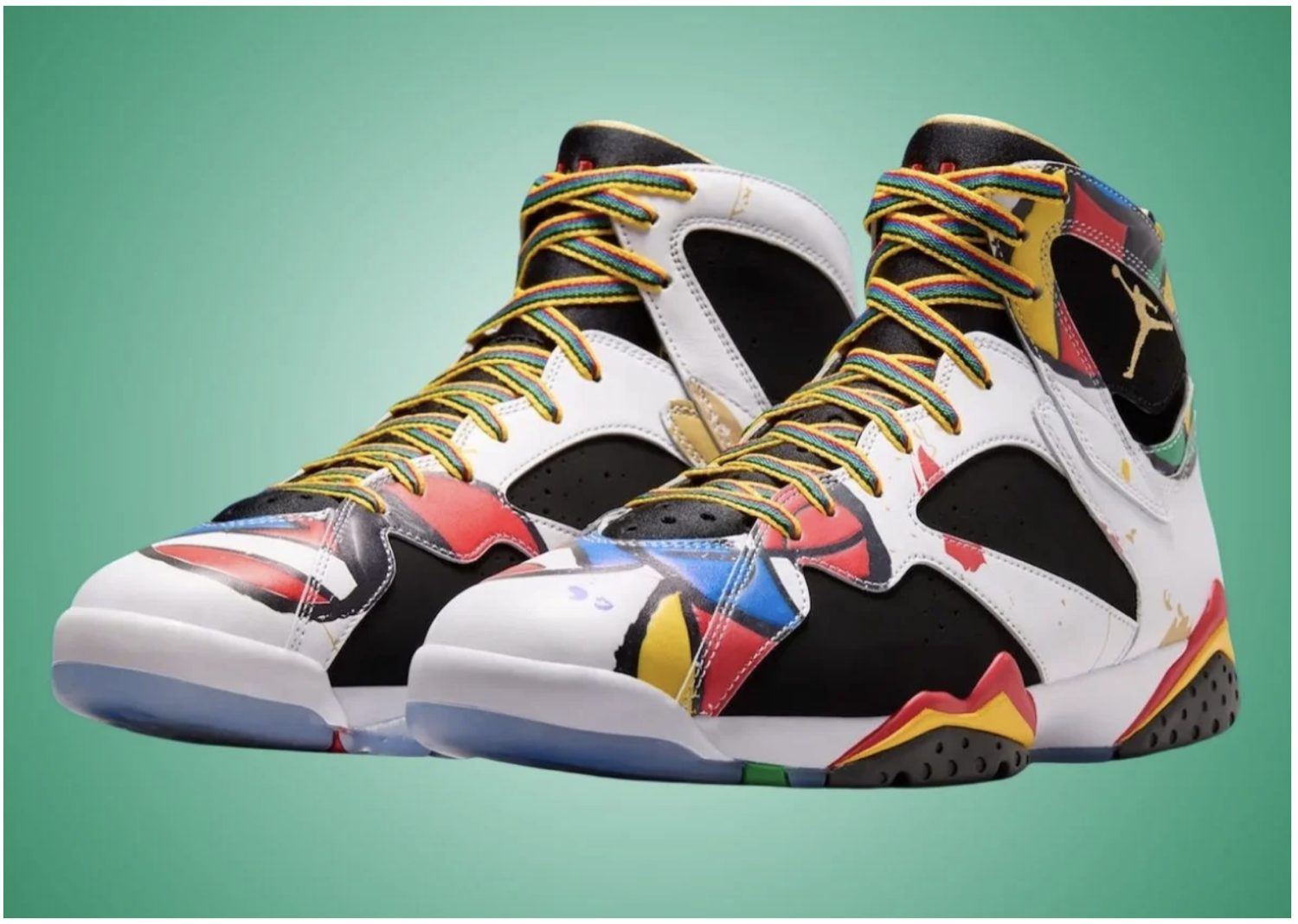
The Air Jordan 7 “Miro” — a ~1,000-pair Beijing 2008 grail tied to the Dream Team and Joan Miró — returns July 10 at $255. First retro in 18 years, and the first you don’t need a connect to own.
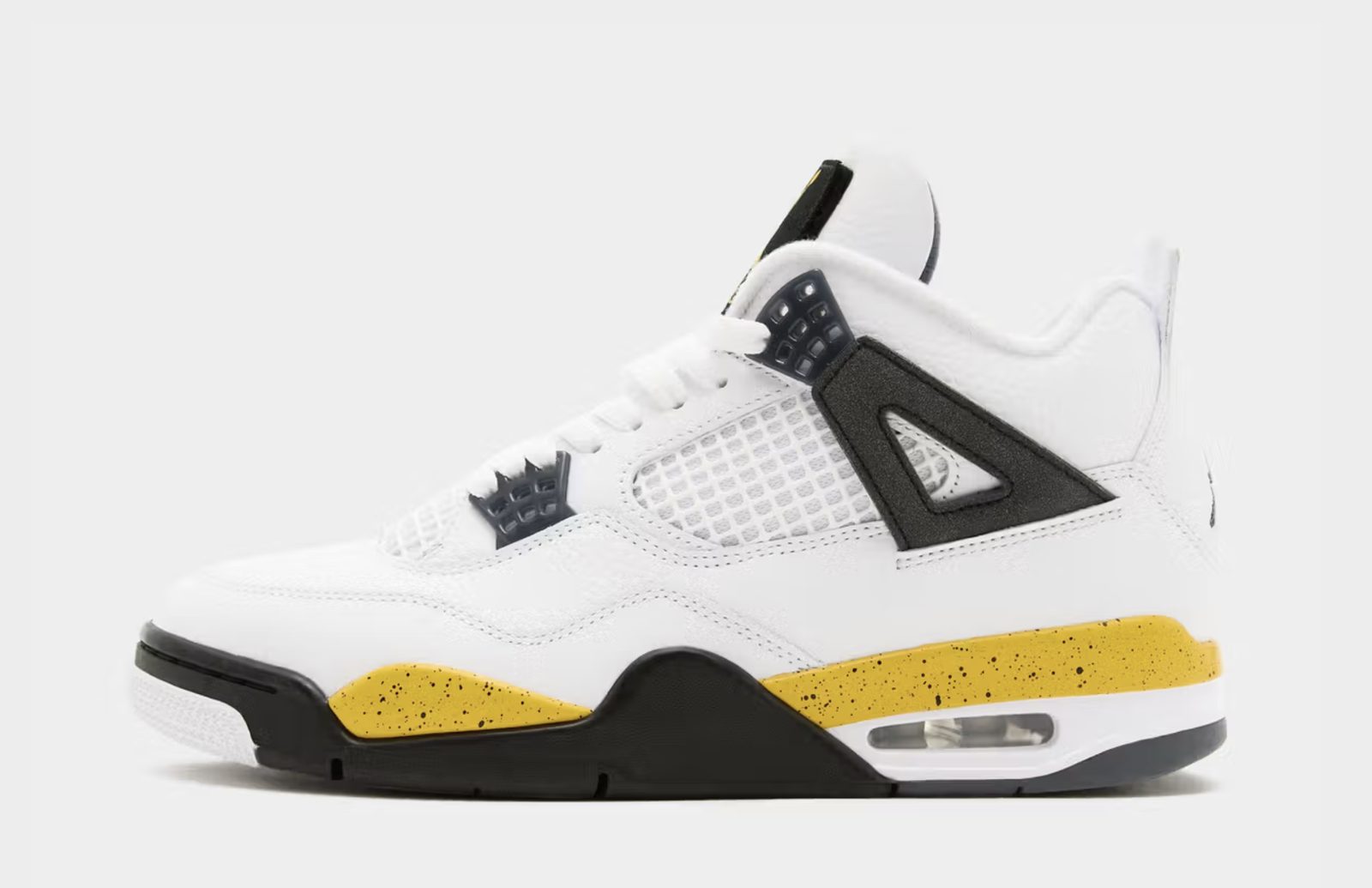
The Air Jordan 4 Tour Yellow returns September 5 for its 20th — the elusive cousin of the Lightning, with the Velcro tongue secret intact.
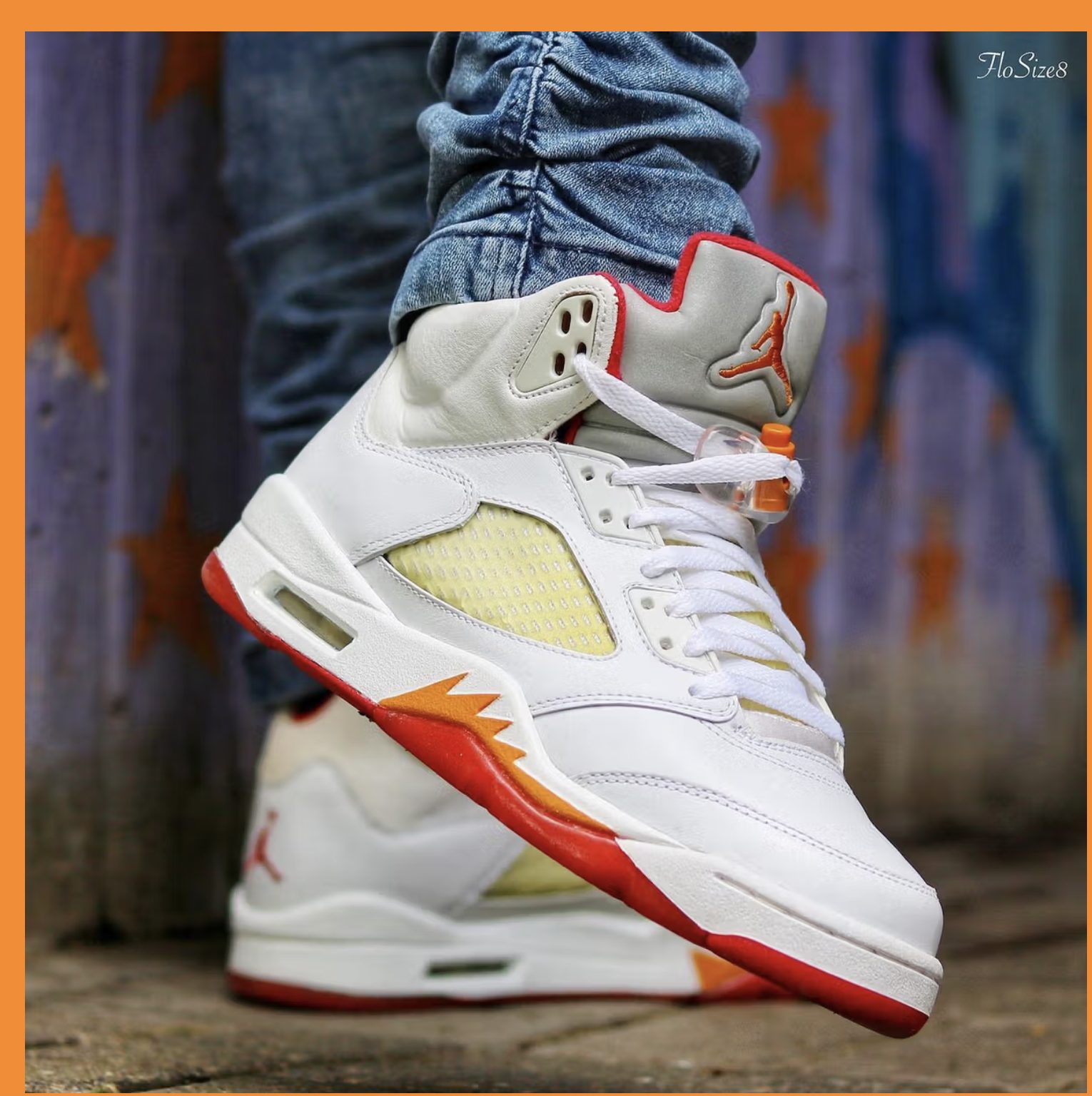
Twenty years after debuting as the first women's-only Air Jordan 5, the Sunset returns July 1 — and the story of who it was built for matters.