The Lane
Sneakers, hip-hop, anime, gaming — every story we’re telling, ranked by what’s trending right now.
Sneakers, hip-hop, anime, gaming — every story we’re telling, ranked by what’s trending right now.

Spike Lee shot She's Gotta Have It in two weeks in Fort Greene with Mars in Air Jordans. Two years later Nike hired the character, and a Black filmmaker's voice became the Jumpman's.

Roland built about 12,000 TR-808s, killed it in 1983, and watched Black producers from the Bronx to Miami to Atlanta turn the failure into the most-used bass sound on earth.

Jordan won his first ring in the Black Infrared 6. Jordan Brand has spent 35 years re-releasing it with different heels, different reds and, in 2026, a sample that never sold.

The Chronic made G-funk. 2001, released November 16, 1999, made a mix reference that mastering engineers still pull up. Here is what was in the room and who got credit.

Naruto's villain wardrobe turned into stage fits, album art and tattoos. The reason isn't fandom — it's that the show hands a rapper a ready-made mythology.

In Barcelona, Jordan covered a Reebok logo with the American flag rather than break with Nike. That flag sold for $1.8 million. The loyalty it represents still runs Jordan Brand.

The Screwed Up Click, the Swishahouse north-side answer, and the 2005 takeover that finally put Houston on national radio — a local economy that existed years before any major label noticed.

PaRappa invented the form, Wu-Tang inherited a cancelled murder game, and 50 Cent got two shots at it. The sourced history of rap on a disc.

Five retros, two heel logos, one shape that kept drifting. The 2018 Nike Air pair and the 2024 reshape are the only two that argue with each other, and the market has already picked a side.
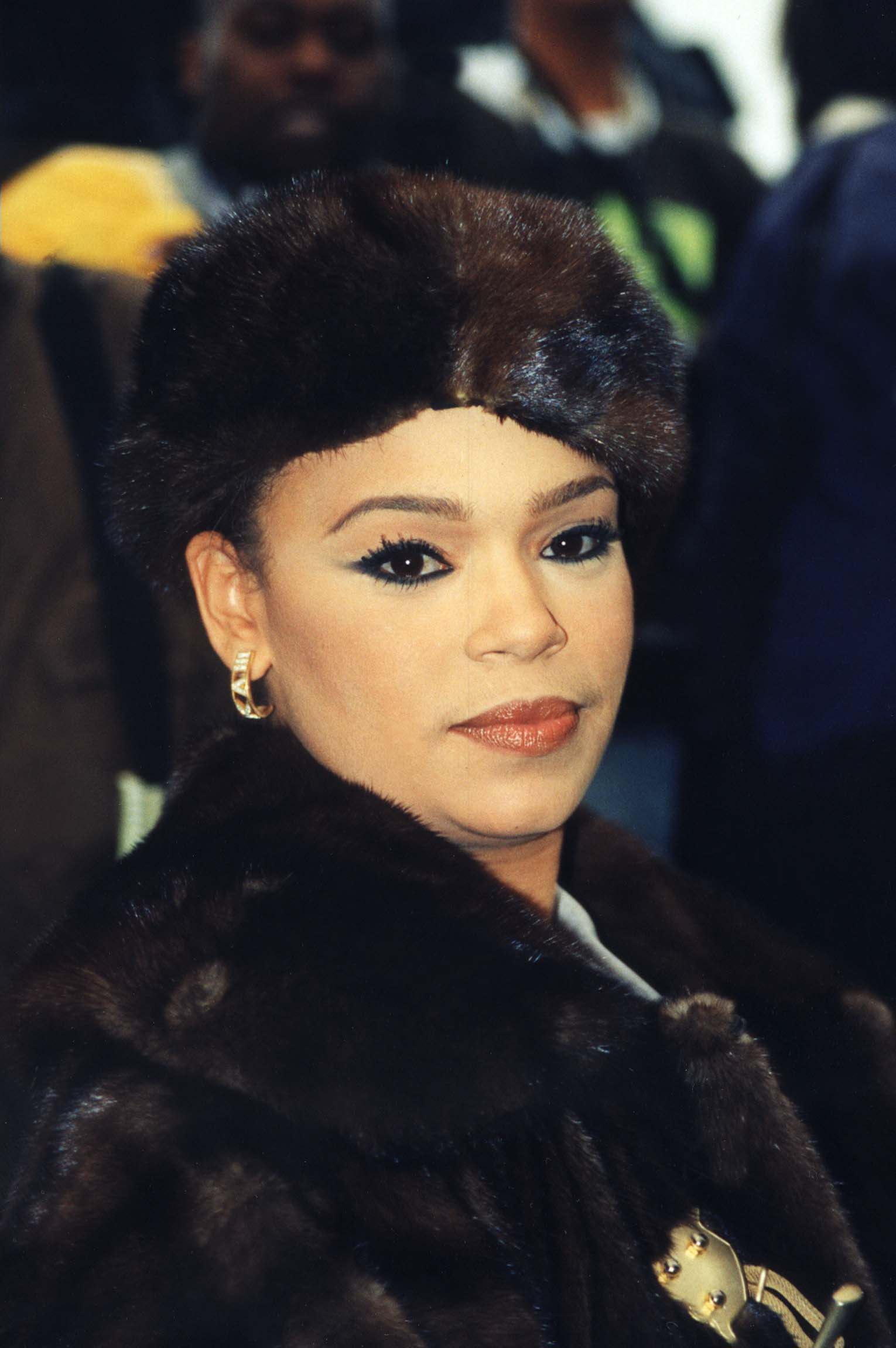
In September 2023, Bad Boy reassigned publishing rights to its artists and songwriters. Here is what actually moved, and what stayed where it was.

The man who drew the Wings logo, the Dunk and the Jumpman walked out of Nike in 1987 with Rob Strasser, tried to take Michael Jordan with him, and ended up running adidas America.

Lex Luger, Southside and Metro Boomin built the trap economy on a Belgian program that cost less than an hour at a real studio. The DAW is the room now.

Crunchyroll went from a piracy-adjacent startup to AT&T's asset to Sony's monopoly-shaped anime service. The buyer was already the seller's supplier.

Bruce Kilgore's Swoosh-less, $100 Italian-made sequel fixed the AJ1's problems and lost the culture anyway. It took Virgil Abloh and Union to bring it back.

Three decades after the Queen Bee's debut, the album's influence is total and its ownership story is the one nobody puts on the anniversary graphics.

FaZe Clan went public at roughly a billion dollars in 2022 and was sold for about seventeen million two years later. The gap is the whole industry's balance sheet.

Tinker Hatfield told him not to. The league fined the Bulls $25,000. The patent leather shoe that debuted in a loss to Orlando became the 72-10 shoe six months later.

Estates, trustees, probate courts and outside investors decide what happens to a catalog after the artist is gone. The artist almost never wrote the rules.

Fifty pairs in 2005, ten in 2015, twenty-three in 2017. Eminem's Air Jordan 4s never had a retail price, and that's the whole reason a size 9 fetched $30,100.

Thirty-three years after a $30,000 first week, the Wu-Tang deal that let nine members sign solo elsewhere remains the smartest paperwork in rap history.

Adult Swim premiered The Boondocks on November 6, 2005 with animation from a Tokyo studio and a Black American design team. The show's form was the argument.
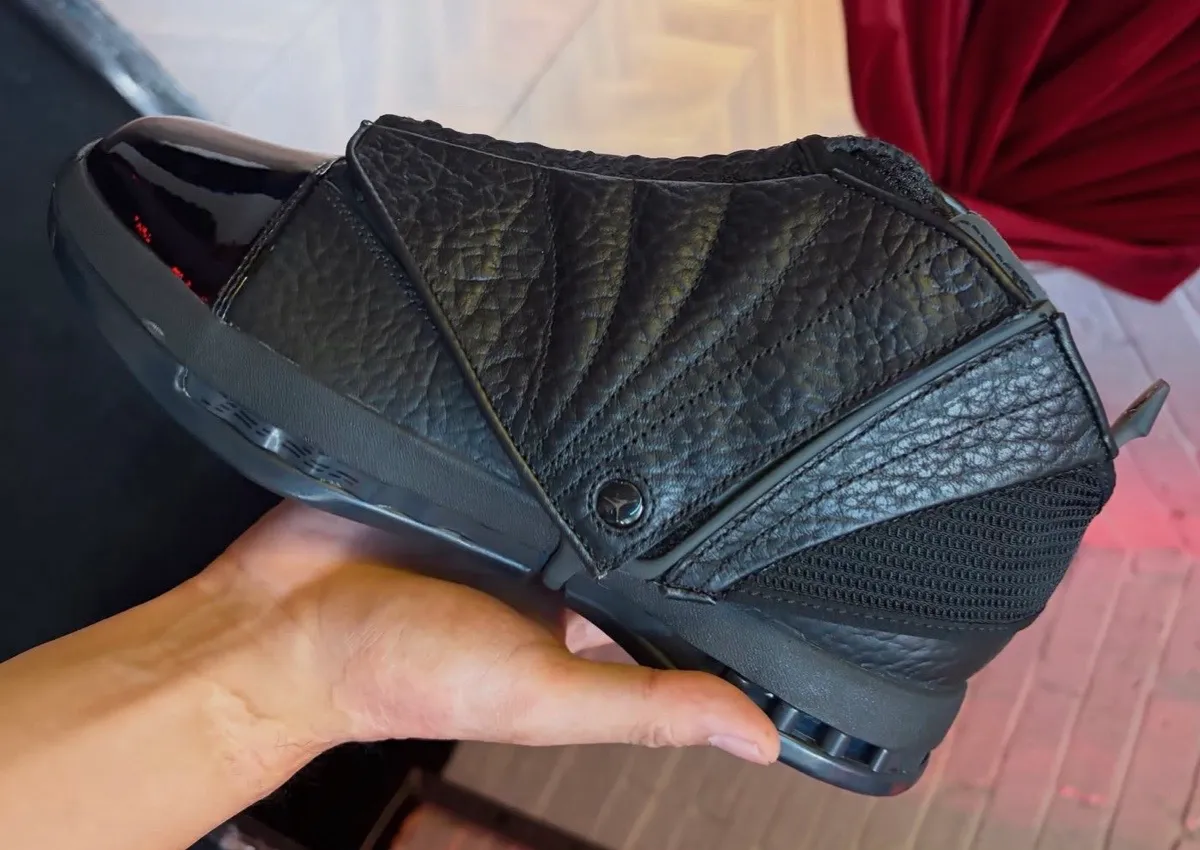
The 15 was a jet, the 16 had a shroud, and the 17 came in a briefcase for $200. For two decades the post-Bulls Jordans were the ones nobody wanted. That changed the moment the Bulls era ran out of retros.

Per-stream rates, the 1,000-stream floor and artist-centric royalty models: the arithmetic that decides what a chart position is actually worth.

The ESA publishes age, gender and household data every year. Race barely appears. The gap is not an oversight — it's what lets publishers keep guessing.

Straps, a chenille tongue, a bootie and the weight to match: the shoe that closed the first three-peat spent a decade as the family's odd one out until Kobe put it on in purple.

From Suge Knight's Interscope pipeline to a 2006 bankruptcy, an $18 million auction, a private equity portfolio, and Snoop buying it in 2022.

A Utah ball boy kept Michael Jordan's Game 5 shoes in a bank vault for 15 years. The pair went from $104,765 to $1.38 million in a decade, and Jordan Brand learned how to sell a story.

Three cases wrote the rules: Biz Markie's 1991 loss, the Sixth Circuit's 2005 'get a license' order, and the Ninth Circuit's 2016 dissent. Here is what clearing a loop costs now.

Shinichirō Watanabe hired Nujabes, Fat Jon, Tsutchie and Force of Nature in 2004. The result rewired how anime uses music and seeded an entire streaming genre.

Jordan wore the 14 in exactly three Finals games. The last one, June 14, 1998, gave the shoe its name and a patent number. The retro cycle has been repricing that jumper ever since.

Two copyrights, one 35-year clock, and a termination right most rappers have never been told about. Here is how 17 U.S.C. §203 actually works.

Evo grew out of arcades, not sponsorships. Thirty years on, the scene that produced Evo Moment 37 and SonicFox still pays less than games with a tenth of its culture.

James Whitner built a retail group out of Charlotte and Atlanta and turned it into the one outside voice Jordan Brand keeps handing its most sensitive silhouettes.

Ruthless, Death Row, Aftermath and Top Dawg each rewrote West Coast rap. Only some of that equity ended up in Black hands, and the paper trail explains why.
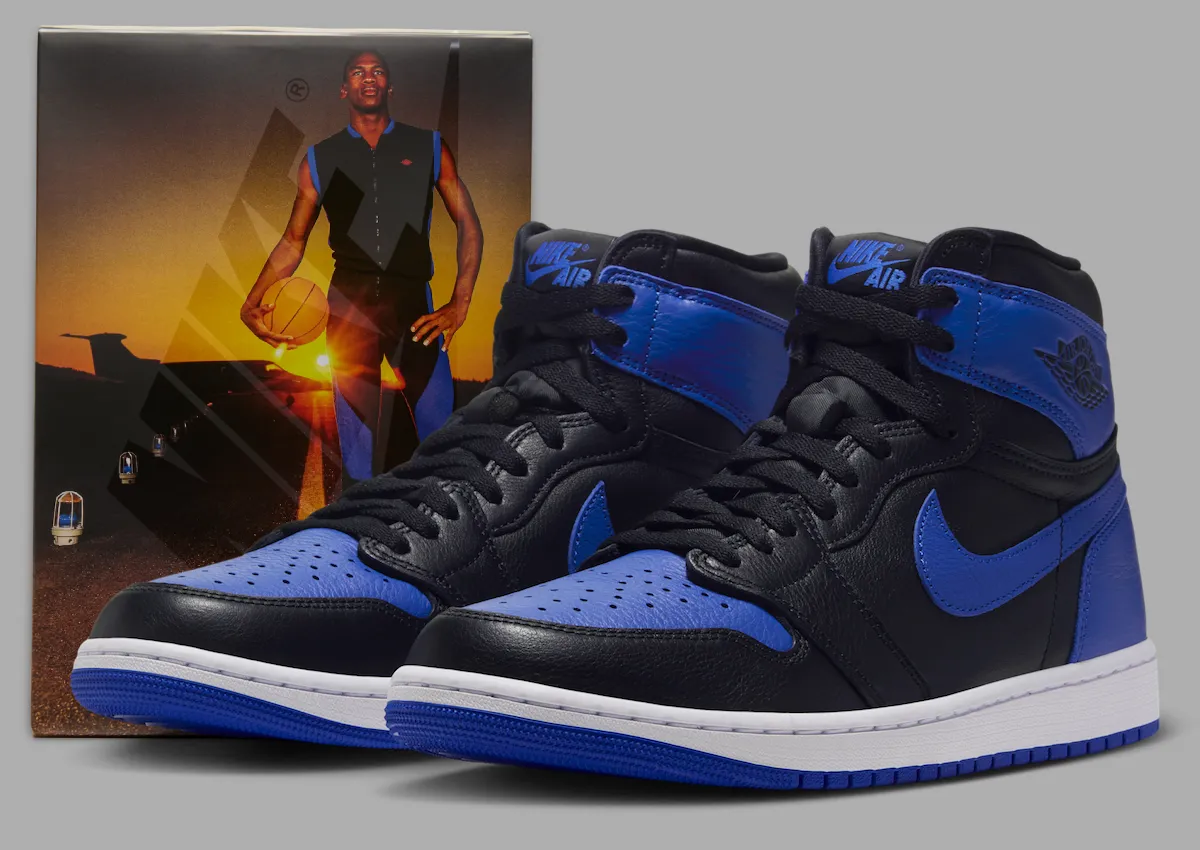
Jordan Brand was announced on September 9, 1997 with five players and a projected $300 million. It now does more than $7 billion a year for Nike. What Jordan actually owns is a royalty.

Too $hort moved cassettes by hand in Oakland, E-40 built Sick Wid It in Vallejo, and Mac Dre turned Thizz into a distribution network. The majors came later, and on the Bay's terms.
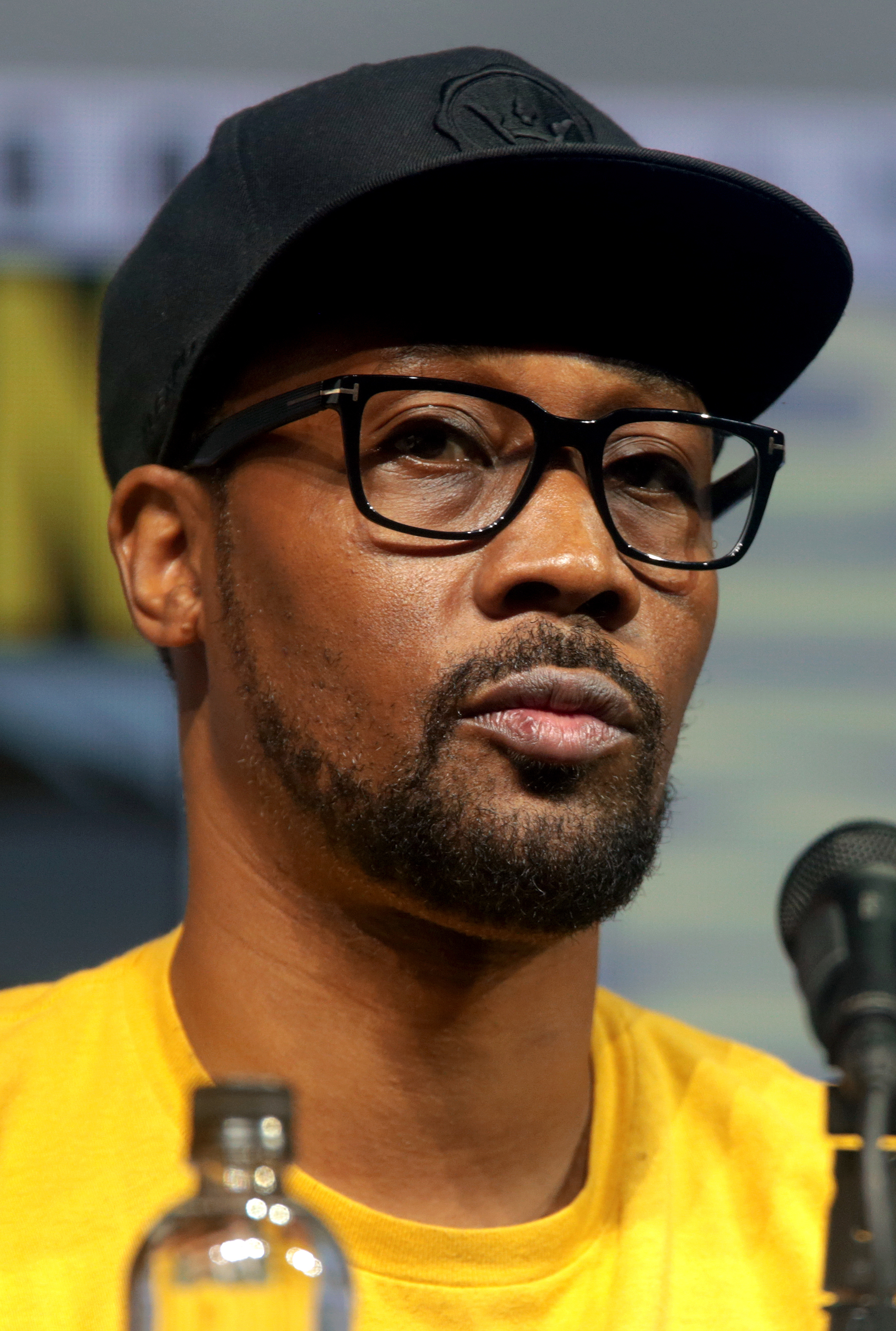
From Shogun Assassin on Liquid Swords to the Ghost Dog score to Afro Samurai, Wu-Tang's producer spent three decades converting borrowed film into owned catalog.

The Question launched in 1996 and the contract behind it still pays — $800,000 a year plus a $32 million trust that unlocks in 2030. Nobody has been given terms like that since.

Thirty-eight years after his debut topped the R&B chart, the story of The Great Adventures is a story about a Black immigrant artist and the state.

Wildstyle, Radio Los Santos and The Beat 102.7 hired real DJs and paid real publishers. Two decades later the licenses are expiring and the songs are disappearing.

Union LA and A Ma Maniére have run the strongest boutique Jordan program of the decade. The shoes are the visible part. The stores, the sizing and the stories are the actual product.

Two kids from Virginia Beach and a Korg workstation ran American radio for six years. One survey put them on 43 percent of it. Then the partnership went to court.

He wore Converse at Carolina and wanted three stripes as a pro. Sonny Vaccaro, George Raveling and Deloris Jordan got him into a Nike conference room instead. The counterfactual is the whole industry.

E-mu's 1987 sampler gave producers 10 seconds of 12-bit memory and a floppy drive. Marley Marl, Pete Rock and Premier turned the shortage into the sound of New York.

Takashi Okazaki's self-published manga, Gonzo's animation, Samuel L. Jackson in two roles and an RZA score. Nineteen years later the model still has no successor.
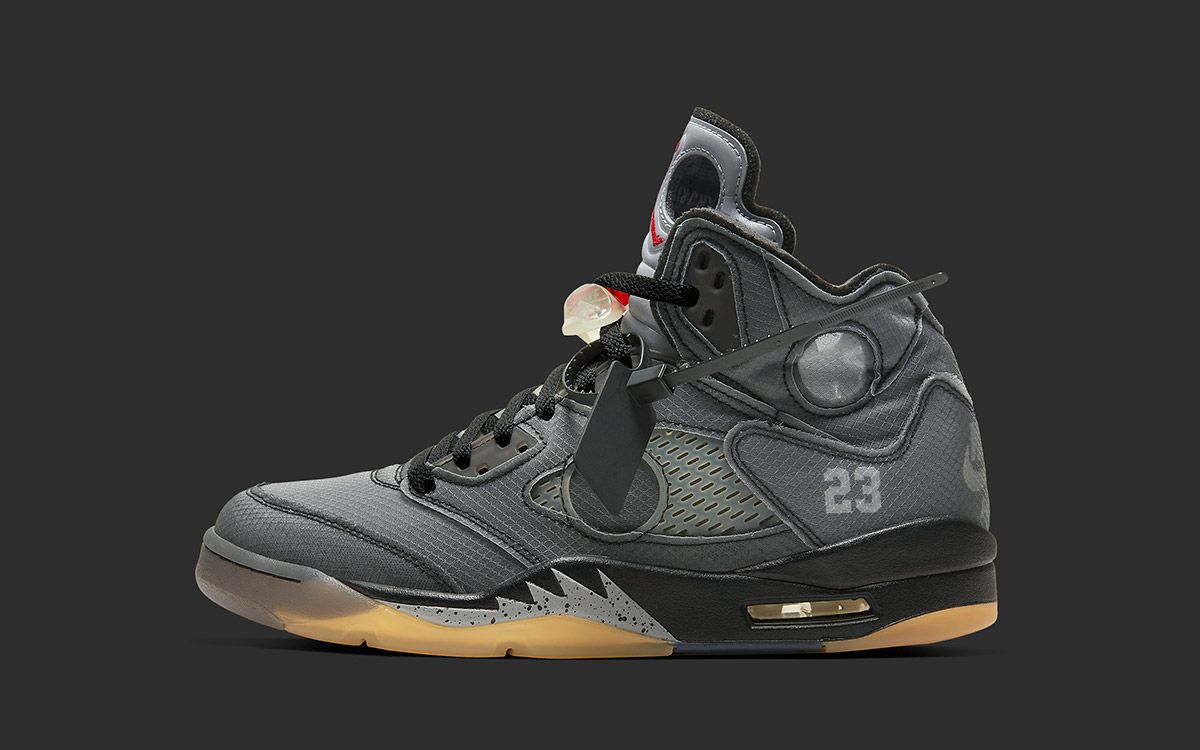
The Off-White Air Jordan 5 Muslin dropped during Chicago's 2020 All-Star weekend on the shoe's 30th birthday. It made the line's clunkiest silhouette a grail, then did it again in Sail.

Coloring Book broke the Grammy rules open and made independence a headline. A decade later the model's limits are as clear as its wins.

Jerry Lawson's Fairchild Channel F invented the swappable game cartridge in 1976. The line from him to Gordon Bellamy to Brass Lion is shorter and thinner than it should be.

Peter Moore and Rob Strasser had left to poach Jordan. Tinker Hatfield's answer was elephant print, visible Air and a Jumpman, and the pitch worked because the shoe was already Jordan's idea of himself.
Top Dawg built a roster on long development deals. When its biggest artist walked to a company he co-owns, the whole model's math changed.

Off-White's Chicago 1 retailed at $190 and resold at $2,000. Travis's Mocha was $175. Dior's was $2,200 with five million entries. None of that money went to Nike, and all of it was Nike marketing.

EMPIRE turned distribution into a full-service alternative to signing. The label-services model is now the default path, and it has its own price.

LeSean Thomas made two series inside the Japanese industry. Michael B. Jordan financed a mecha show. Flying Lotus scored a samurai. The pattern is production, not fandom.

adidas ended the partnership in October 2022 and spent the next two years selling the leftovers. The numbers are the clearest ownership lesson the business has produced.

Three 6 Mafia's tape-era menace became the rhythmic grammar of drill and phonk. The Academy Award was the strangest stop on a road that ran through Orange Mound, not Hollywood.

Rockstar leaders told Bloomberg the world is packed with hand-built rooms, and the story leans closer to Red Dead Redemption 2 than GTA 5. Launch is November 19.

Sandy Bodecker took a dead 1985 basketball shoe, gave it a fat tongue and a Zoom insole, and handed skaters a currency Nike never controlled again.

Fourteen years after Kendrick Lamar's major-label debut, the decision that mattered wasn't the Aftermath signing. It was keeping Digi+Phonics in the room.

Strip away the celebrity and NOCTA is a case study in how Nike builds a sub-label: one new silhouette, a fleece program, and a distribution lane it keeps for itself.

Dilla's drums and the West 7 Mile battle circuit built the technical standard. The current generation turned it into a distribution strategy that mostly skips the majors.
Satelight's adaptation of Toshiaki Iwashiro's 2008 Jump manga runs Mondays, 13 episodes through December 28, with English subs and a dub.
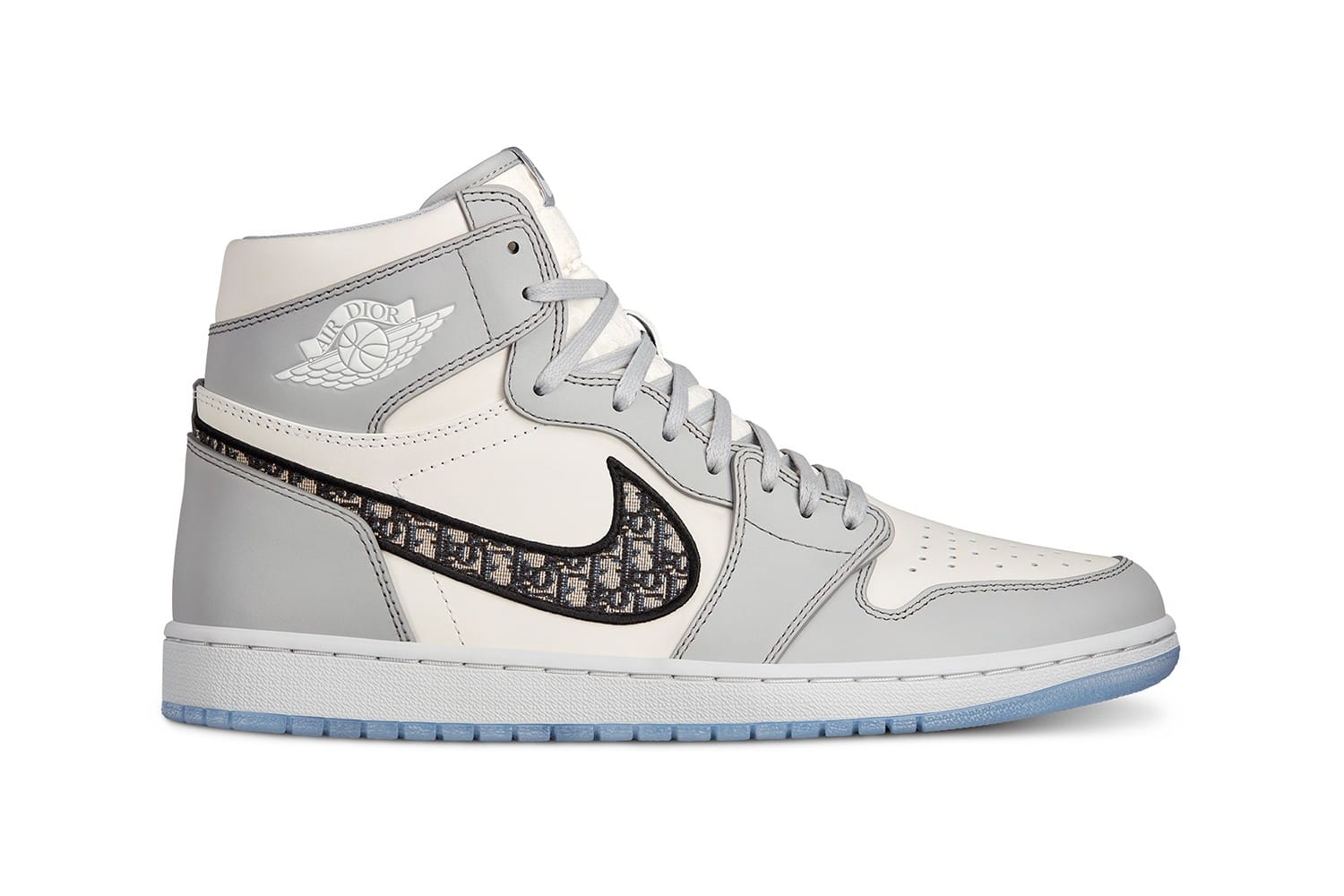
Kim Jones put a $2,200 price tag on Peter Moore's silhouette, 5 million people entered a raffle for 8,000 public pairs, and Jordan Brand learned it could charge luxury money for a retro.

A Florida label says his old contract is still live and the Anderson .Paak project breaks it. The album is still scheduled for Friday.
Nikeland pulled tens of millions of visits on Roblox and Jordan Brand has lived inside NBA 2K for years. The proof that any of it moves real pairs is still missing.

Howard White sat in the 1984 pitch and stayed 45 years. Larry Miller ran the brand from 1999 to 2006 while hiding a murder conviction. Wilson Smith III designed the 16 and 17. Their names are not on the box.
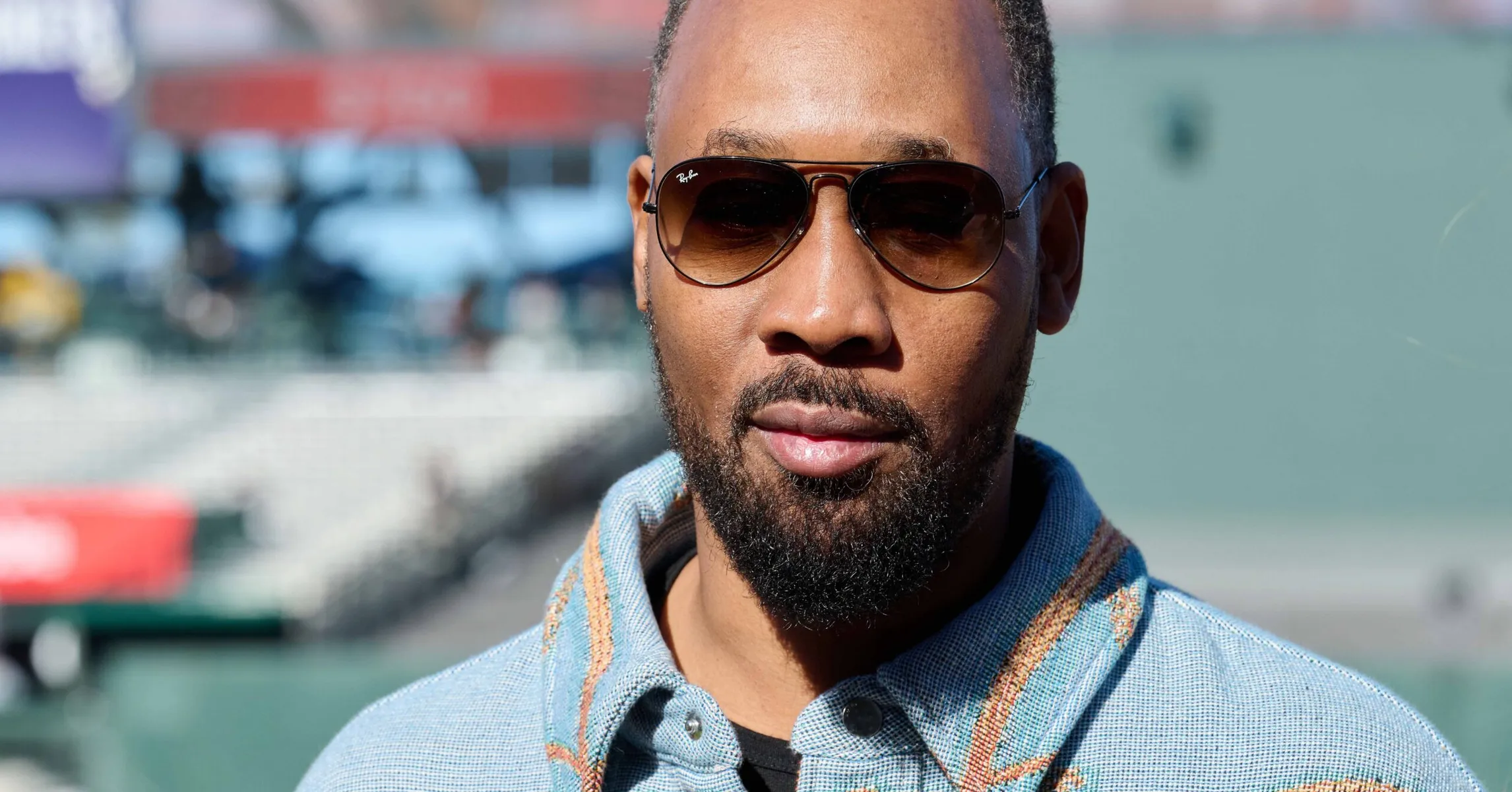
Two days after The Disciple hit Netflix, RZA is telling People he tried to get out of the Once Upon a Time in Shaolin deal and has since made peace with it.

Barcelona gold, a second ring and a Super Bowl ad with a cartoon rabbit, all in one 1992 shoe. Space Jam was four years away and the 7 had already written the pitch.
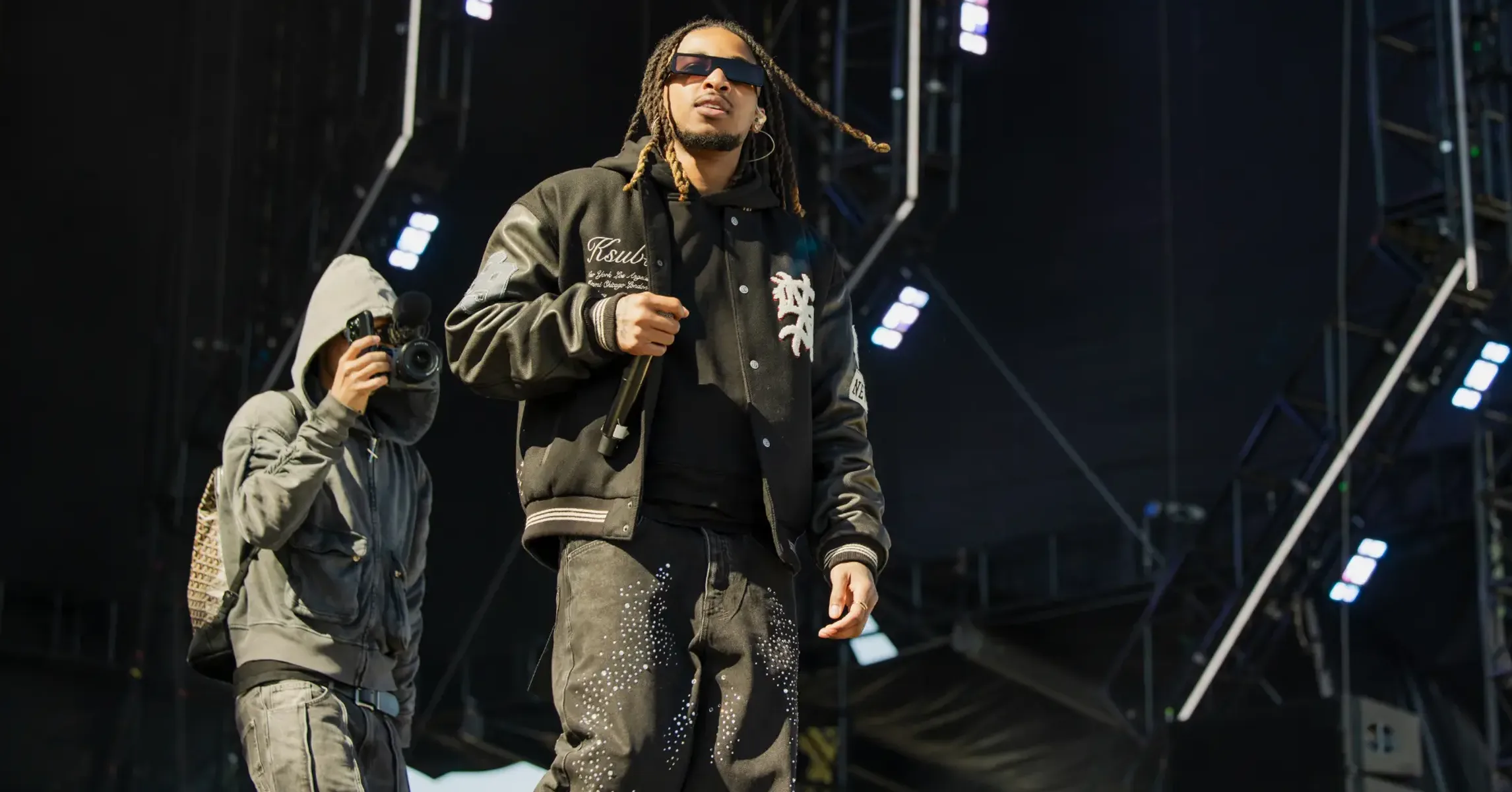
Deshae Frost won by second-round TKO in Miami on October 16, and the bad blood between YK Osiris and DDG nearly spilled out of the commentary booth.
A Ghanaian streetwear label gets its own Jordan 3. Style code IU0737-001, SNKRS on December 11, with an EMEA date reported a week earlier. Price isn't confirmed.
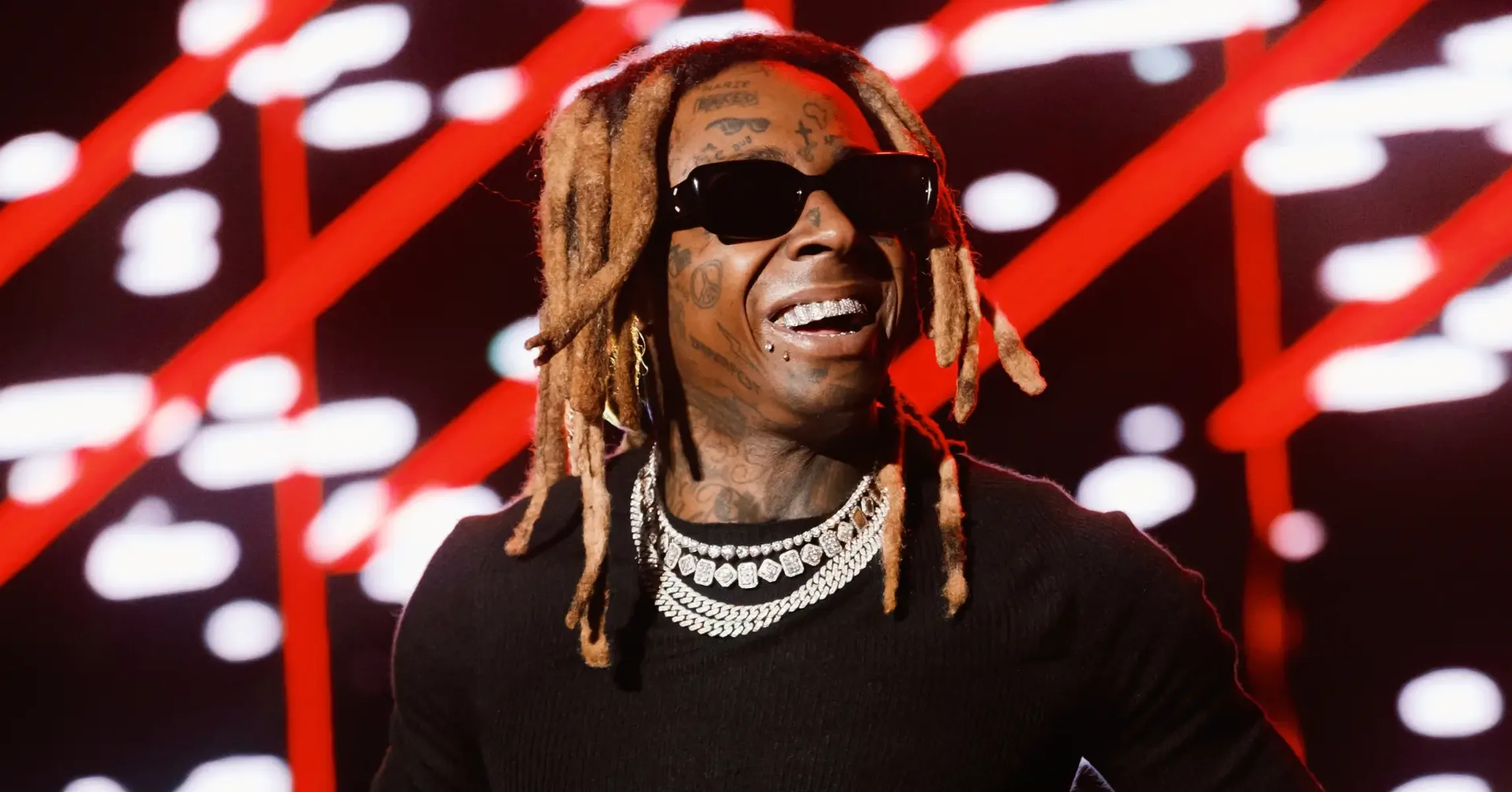
The venue blamed weather and travel delays for postponing the October 16 Carter Classics stop in West Virginia. No new date yet; tickets will be honored.
Square Enix's monster-raising RPG is on PS5, Xbox, Switch 2, Switch and PC. $59.99 standard, $94.99 Digital Deluxe with 48 hours of early access, and a demo is out.
Tumbled black leather, Dark Concord underneath, style code HJ6779-002. SNKRS is the only retailer listed so far, and the price reads $205 in one place and $215 in another.
Seventeen tracks on October 16 through 1017 Global Music and Atlantic, with Summer Walker, ICE DAVIS and OJ da Juiceman. It was announced with about a week of runway.
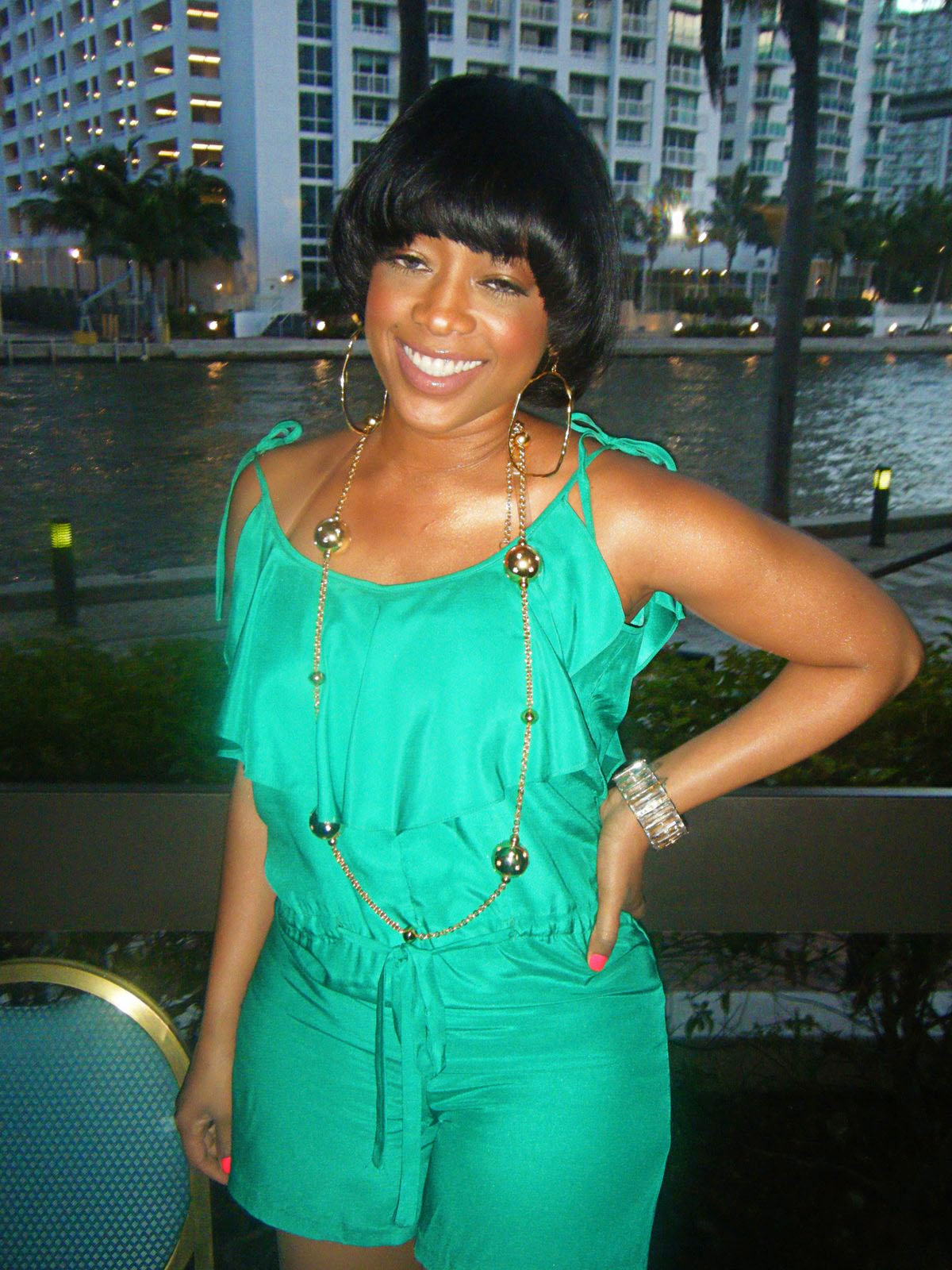
Southern women were writing the explicit, regionally specific rap that now dominates the charts twenty years before the industry decided to fund it.
A roughly five-minute single out October 16 on DreamChasers, distributed by Stem. It follows Meek's July release "Nightmares To Dreams."